

In the second quarter of 2026, 20.3% of financed new-vehicle purchases carried a monthly payment of $1,000 or more, according to Edmunds. That is roughly one in five buyers, tying the record set in the fourth quarter of 2025, up from 20.0% in the first quarter of this year. The used-vehicle share hit its own record in the same quarter at 6.3%.
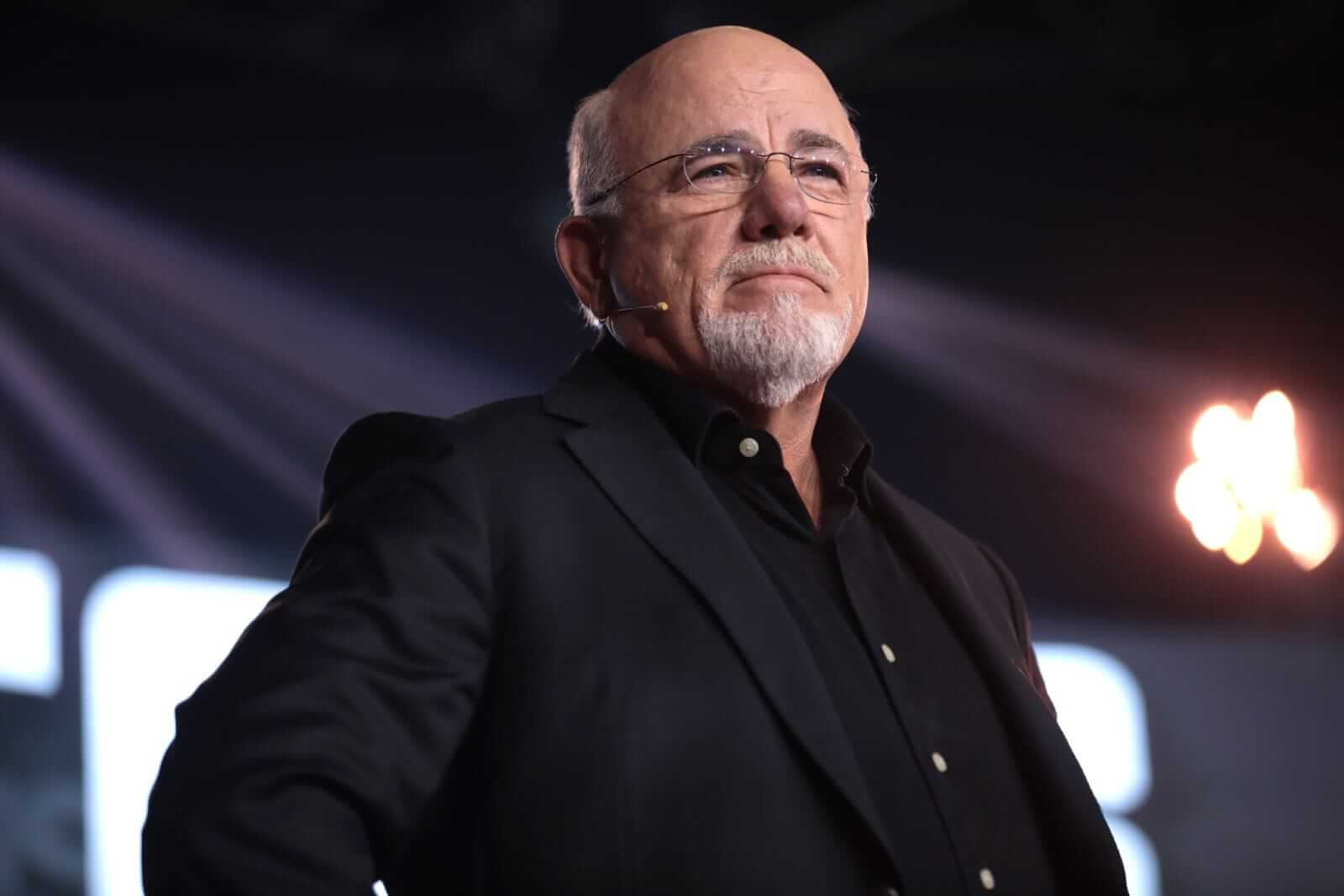
Dave Ramsey has been arguing against those payments for decades. Speaking to a caller weighing a new vehicle, Ramsey said, "Love yourself enough not to go into car debt. If you want to be middle class, stay in car debt. You will never build wealth because it will suck the bone marrow out of your money."
More Top Stocks Daily: Go behind Wall Street’s hottest headlines with Barchart’s Active Investor newsletter.
The national backdrop is large and still growing. The Federal Reserve Bank of New York put total US auto loan balances at $1.713 trillion as of the quarter ending June 2026, up $28 billion in the quarter and $58 billion over the year, with $211 billion of new auto originations in the same three months.
Sponsored Content: The Flying Car Market Could Reach $9 Trillion — Here’s One Way to Invest Early
Experian reported the averages behind those balances: the average monthly payment on a new vehicle was $765 in the second quarter of 2026, and the average used payment was $542. Average terms were 69.46 months for new and 67.86 for used, and average rates were 6.35% for new and 11.19% for used. Edmunds measures the same market with a different panel and gets different answers: $777 new and $576 used.
Stay inside Experian's numbers, and the gap is $223 a month. Over the 69.46-month average new-car term, that is about $15,500. Run each loan to its own average term, and the totals are roughly $53,100 paid on the average new vehicle and roughly $36,800 on the average used one, a difference of about $16,400 before anything is done with the money. That is Barchart's arithmetic on Experian's averages, and it assumes an average buyer at an average rate on an average term, which describes nobody exactly. Barchart has also covered the arithmetic of what a single sum does when left alone for decades, which is the point Ramsey is really making.
His evidence for it deserves a closer look than it usually gets. The figure that circulates in coverage, that 84% of millionaires credit avoiding car payments, does not appear on Ramsey Solutions' own pages. What the company does publish is that "8 out of 10 millionaires buy their cars with cash and don't have a car payment," and that non-millionaires are twice as likely as millionaires to carry a car loan. Both come from its National Study of Millionaires, which the company describes as surveying over 10,000 US millionaires, fielded between November 17, 2017 and January 31, 2018, using, in its own words, "a third-party research panel and our Ramsey Solutions research panel."
That construction matters, and the company does not disclose the split between the two panels. A sample partly recruited from the audience of a brand whose central teaching is debt avoidance will over-represent people who avoid debt, which means the study can show that millionaires in that sample do not have car payments without showing that not having a car payment is what made them millionaires. The data is also roughly eight years old. None of that makes the finding wrong. It makes it weaker evidence than its quotation implies.
The case on the other side is the one a used-car buyer runs into immediately. That 11.19% average used rate is nearly five points above the new rate, so a cheaper sticker does not always mean cheaper credit, and the cheapest monthly payment is not the same thing as the cheapest car once repairs, a shorter remaining warranty, and unknown maintenance history are in the picture. Many of the people making these payments also need a vehicle to get to work and took the financing available to them.
What the quarter actually shows is a widening spread rather than a verdict. Records at both ends: more than one in five new buyers above $1,000 a month and a record share of used buyers there too, sitting alongside the housing market Ramsey has called the most unrealistic in 100 years. The lenders on the other side of it are public companies a reader can look up, from one of the largest US auto lenders to the listed proxy for the subprime end of the market.
On the date of publication, Caleb Naysmith did not have (either directly or indirectly) positions in any of the securities mentioned in this article. All information and data in this article is solely for informational purposes. For more information please view the Barchart Disclosure Policy here.
More news from Barchart
Dave Ramsey Warns Car Debt Will ‘Suck The Bone Marrow Out Of Your Money’ as 1 In 5 New-Car Buyers Now Pays Over $1,000 a Month Here Is How to Play Accenture Stock After a New AWS Collaboration Meta’s Muse Could Be the Biggest Threat Google Has Faced in 20 Years Ciena Stock Heats Up After Evercore Upgrade. How $550 Could Be the Next Stop.