

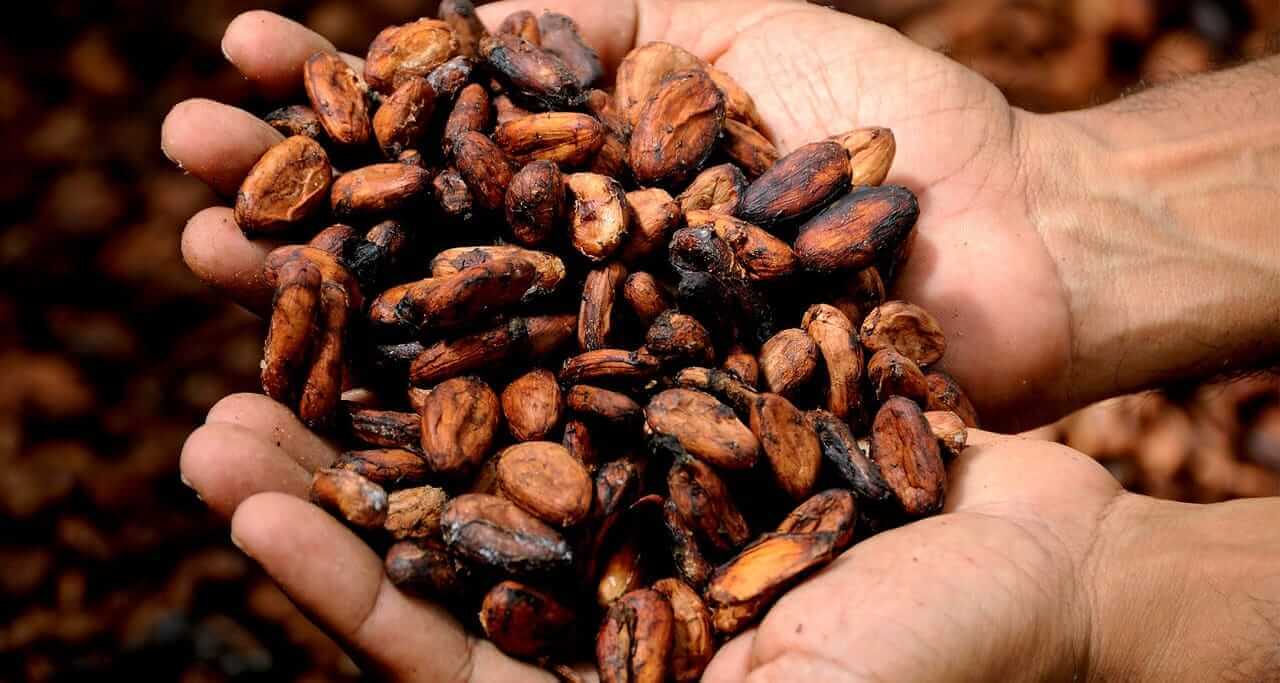
December ICE NY cocoa (CCZ26) closed down -12 (-0.24%) on Tuesday, and ICE London cocoa #7 (CAZ26) closed up +5 (+0.13%).
Cocoa prices settled mixed on Tuesday. The overall cocoa market is under pressure amid signs of abundant current supplies. Cocoa prices have trended lower over the past month and posted a 4.75-month low last Tuesday as rising ICE cocoa inventories are easing supply concerns. ICE cocoa inventories have steadily increased since the start of the year, climbing to a 2.5-year high of 3,815,074 bags on Tuesday.
Don’t Miss a Day: From crude oil to coffee, sign up free for Barchart’s best-in-class commodity analysis.
However, London cocoa recovered from early losses Tuesday and posted modest gains after the British pound (^GBPUSD) fell to a 1-month low. The weaker pound boosts cocoa that is priced in sterling.
Another negative for cocoa prices is the S&P GSCI Index's plan to cut its cocoa weighting for 2027 by more than half to 0.5%, while the Bloomberg Commodity Index also announced a reduction in cocoa holdings for the coming year. The news has sparked selling in cocoa futures as investors seek to get ahead of index funds that will reduce their cocoa exposure when the rebalancing is formally conducted in early 2027.
Reduced cocoa shipments from the Ivory Coast support prices. Ivory Coast government data on Monday showed farmers delivered 48,620 MT of cocoa to ports in the week ended November 15, well below 104,808 MT in the year-earlier week, according to Bloomberg. In the marketing season to date (Oct 1 through Nov 15), Ivory Coast cocoa port arrivals fell -46% yr/yr to 277,095 MT from the comparable year-earlier figure of 516,787 MT. In the previous 2025/26 marketing year, Ivory Coast port arrivals rose +20% y/y. Bloomberg continues to report Ivory Coast shipments based on the international cocoa marketing year, even though Ivory Coast moved its 2026-27 marketing year forward by a month to start September 1.
Cocoa prices have underlying medium-term support from future weather concerns. The US Climate Prediction Center said the El Niño weather pattern that emerged across the equatorial Pacific last month will likely be one of the strongest in more than 75 years. An El Niño typically brings warmer, drier conditions to West Africa, reducing soil moisture, stressing cocoa trees, and lowering yields.
In recent bearish news, Nigeria’s September cocoa-bean exports rose +33% y/y to 19,343 tons as higher cocoa prices reportedly encouraged exporters to sell. Nigeria is the world’s fifth-largest cocoa producer.
On October 29, StoneX said the strong El Nino will push the cocoa market into a -64,000 MT deficit in 2026/27, reversing its previous forecast of a 25,000 MT surplus. That would follow StoneX’s estimate of a 494,000 MT surplus for 2025/26. StoneX forecasts world cocoa production in 2026/27 will fall -9.6% to 4.74 MMT, driven by lower output in Indonesia, Ivory Coast, and Ecuador due to El Niño-related disruptions.
Recent cocoa demand data has been mixed. The National Confectioners Association reported on October 15 that Q3 North American cocoa grindings unexpectedly fell -2.5% y/y to 109,978 MT, weaker than expectations of no change. However, the Cocoa Association of Asia reported that Q3 Asian cocoa grindings rose by a record +29% y/y to 233,767 MT, well above expectations of +15% y/y. The European Cocoa Association also reported that Q3 European cocoa grindings unexpectedly rose +3.2% to 348,215 MT, versus expectations of a -3.9% y/y decline.
Cocoa prices also have underlying support from early surveys of the 2026/27 Ivory Coast cocoa crop, which show below-average cherelle formation on cocoa trees, signaling a weak outlook for the main cocoa harvest, which began this month. Early crop assessments show poor pod development and an average estimate of 1.8 MMT for the season starting in September, down -18% from about 2.2 MMT in 2025/26. Concerns about the quality of this year’s West African cocoa crops stem from cloudy weather and limited sunshine in the Ivory Coast and Ghana, which have allowed black pod disease to spread and reduce cocoa bean quality.
Concern about a smaller cocoa crop from Ghana, the world’s second-largest cocoa producer, is bullish for prices. On August 20, Ghana’s Cocoa Board said that after a field survey of pod counts, it estimates the 2026/27 Ghana cocoa crop will be 650,000 MT, down -13% from 750,000 MT in the 2025/26 crop year.
In a bullish factor, Ghana’s cocoa regulator, COCOBOD, on July 30 projected Ghana’s 2026/27 cocoa production could fall to 450,000 MT to 550,000 MT from 750,000 MT projected for 2025/26 due to the combined effects of swollen shoot disease, aging cocoa farms, and the likelihood of adverse weather from the El Niño weather pattern. However, production is strong for the current marketing year. Ghana’s cocoa board reported on August 26 that 750,000 MT of cocoa has been harvested for the 2025/26 season, which ends at the end of this month, up +25.6% from 597,000 MT in 2024/25.
On the date of publication, Rich Asplund did not directly have a position in any of the securities mentioned in this article. All information and data in this article is solely for informational purposes. For more information please view the Barchart Disclosure Policy here.
More news from Barchart
Will Soybeans Continue to Follow Oil and Oil Product Prices? What is the 2027 Outlook for the Grains Sector? Will Jensen Huang’s Chinese Spy Scandal Hurt Corn, Soybean and Wheat Prices? Market Bottom Alert: How to Trade a Rebound in Corn as Prices Hit a Bottom