


BlackRock Bitcoin ETF has recorded its first daily inflow after 11 consecutive trading sessions of withdrawals, offering a potential sign of renewed institutional interest as Bitcoin struggles near multi-month lows. However, analysts warn that one positive session is not enough to confirm that selling pressure has eased.
The iShares Bitcoin Trust (IBIT) attracted $76.5 million on November 16, bringing its lengthy outflow streak to an end after approximately $2.35 billion left the fund. The development came as broader cryptocurrency sentiment deteriorated sharply, with the Crypto Fear and Greed Index falling to its lowest level since June.
BlackRock’s IBIT Sees $76.5M in Fresh Inflows
According to data from Farside Investors, the BlackRock bitcoin ETF IBIT recorded $76.5 million in net inflows on Monday, November 16. The return of buying activity helped US spot Bitcoin ETFs collectively post $7.9 million in net inflows for the day, despite continued withdrawals from several competing funds.
The development marked a reversal after 11 consecutive sessions of redemptions that had removed roughly $2.35 billion from BlackRock’s fund. The broader market had also experienced significant pressure , with US Bitcoin ETFs shedding more than 31,000 BTC over the preceding month, according to CryptoQuant.
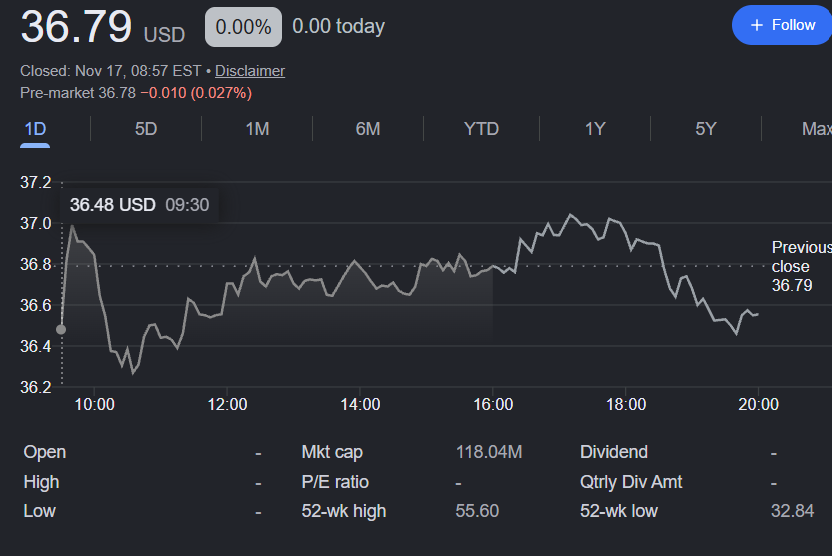
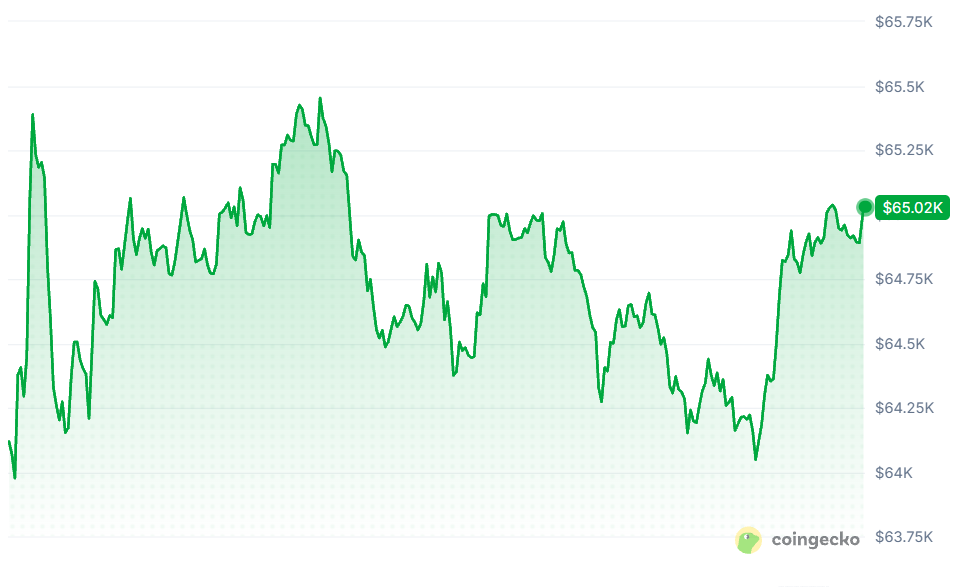
The timing is particularly notable because Bitcoin was trading near $64,000, close to multi-month lows. Rather than waiting for a market recovery, some investors may have started viewing the lower price levels as an opportunity to increase their exposure.
Nevertheless, the modest inflow represents only a small portion of the capital recently withdrawn from IBIT. The latest session therefore offers an early indication of changing demand, rather than evidence that the broader trend has reversed.
CryptoQuant Warns Against Calling It a Recovery
Nick Pitto, head of marketing at blockchain analytics firm CryptoQuant , urged investors to remain cautious when interpreting the latest ETF figures.
Pitto explained that Monday’s inflows recovered only around 3% of the withdrawals recorded by IBIT during its previous 11-session losing streak. He also pointed to the substantial amount of Bitcoin that has left US spot ETFs over the past month.
According to Pitto, one positive trading session does not establish that institutional investors are buying the dip. He argued that the market would need to see several consecutive days of inflows, with buying activity extending beyond BlackRock’s fund, before a more meaningful shift in sentiment could be identified.
Salman Parcy, managing partner at crypto investment firm Cequire Capital, offered a somewhat more optimistic interpretation. He suggested that the return of capital to IBIT could indicate that some institutional investors are beginning to view Bitcoin’s recent decline as an attractive entry point.
However, Parcy also acknowledged that it remains too early to describe the development as a confirmed reversal.
Extreme Fear Continues to Weigh on Bitcoin Sentiment
The ETF inflow arrived as market confidence remained under considerable pressure. The Crypto Fear and Greed Index dropped to 10 out of 100 on November 16, marking its lowest reading since June 2026.
The index tracks broader cryptocurrency market sentiment, with lower readings reflecting heightened fear among investors. Its latest decline highlights how cautious market participants have become following Bitcoin’s recent losses.
Bitcoin was trading near $64,000 when the ETF inflow was recorded, leaving the market vulnerable to further volatility. The return of institutional buying could provide some support, but the overall flow data still points to substantial selling pressure across the sector.
For now, investors will be watching whether IBIT can maintain its positive momentum and whether other spot Bitcoin funds begin attracting fresh capital.
Institutional Filings Offer Limited Insight Into Current Demand
November 16 also marked the deadline for most institutions to submit their third-quarter Form 13F disclosures, which reveal their investment holdings as of September 30. Several institutions reported increased exposure to Bitcoin ETFs during the quarter.
However, Pitto cautioned against interpreting those disclosures as an explanation for Monday’s inflows. The filings provide a snapshot of institutional portfolios at the end of September rather than a real-time picture of their latest investment decisions.
He noted that ETF buying activity peaked during August and September, meaning the reported holdings do not necessarily reflect how institutions have responded to Bitcoin’s more recent decline.