

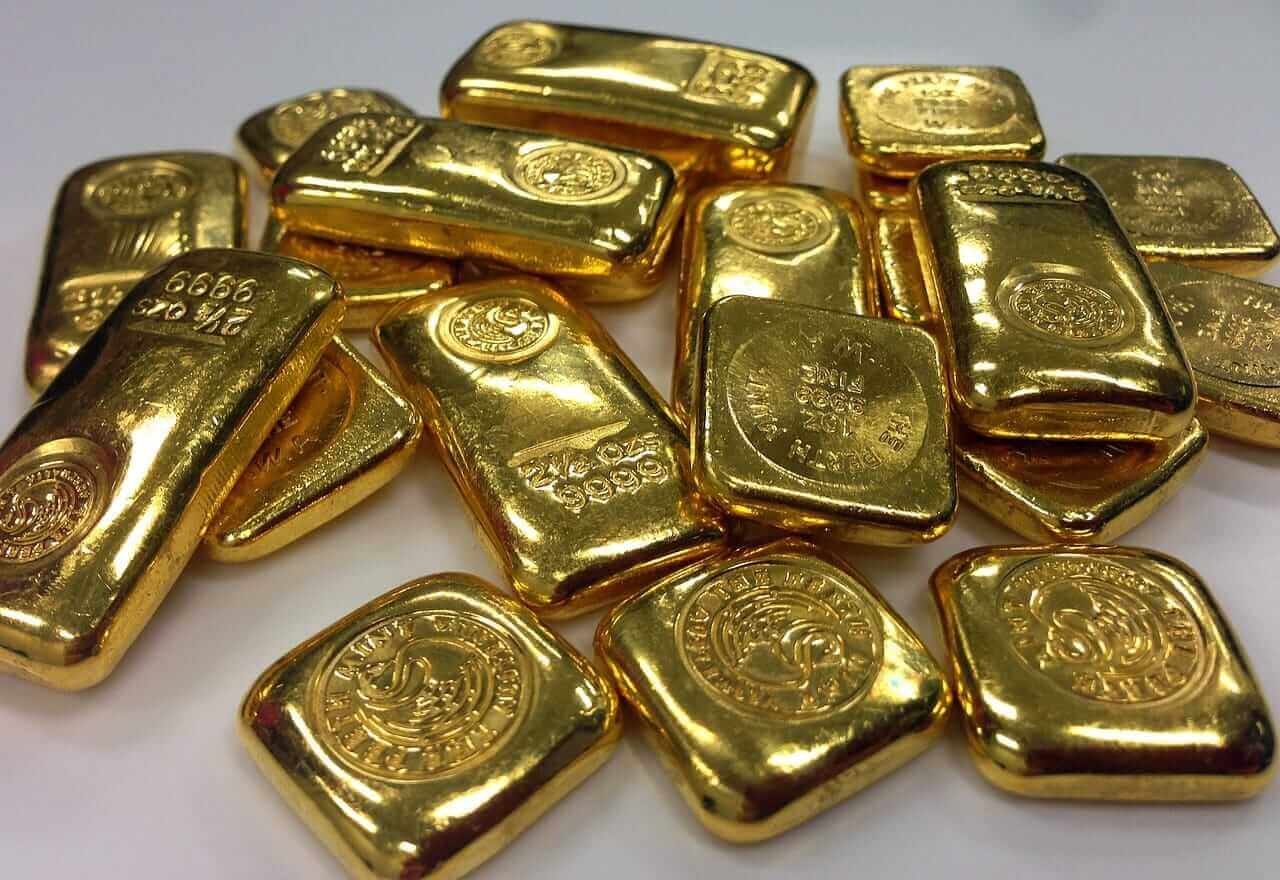
Precious metals, which were the best-performing asset class in 2025, have been under pressure this year. The sharp decline in gold (GCQ26) and silver prices (SIN26) has taken a toll on the share prices of companies that mine them. Looking at some of the gold miners, both Anglogold Ashanti (AU) and Agnico-Eagle Mines (AEM) have fallen nearly 40% from their 2026 highs and are in a deep bear market.
In my previous article in March, I had noted that Anglogold Ashanti was a buy after the dip at that time. The stock recovered subsequently but has since plunged below that level. Now let's analyze whether it’s time to double down on gold mining stocks or whether more pain lies ahead.
More Top Stocks Daily: Go behind Wall Street’s hottest headlines with Barchart’s Active Investor newsletter.
Why Has Gold Fallen in 2026
Gold peaked above $5,500 per troy ounce in January but has since fallen to around $4,100. Several factors have driven gold lower; for instance, inflation has risen over the last few months amid the spike in energy prices. U.S. retail inflation as measured by the consumer price index (CPI) rose at an annualized pace of 4.2% in May, which was the highest in three years. Inflation has been above the Fed’s 2% target for more than five years now, and the possibility of it falling below that threshold looks dim in the near term. Meanwhile, according to the U.S. government, the economy has been on a solid footing, and the labor market has been quite healthy despite fears of artificial intelligence (AI) led layoffs. A resilient economy and high inflation make the case for an interest rate hike.
Meanwhile, the Fed has been on a rate-cutting spree since September 2024 and last cut rates by 25 basis points in December 2025. Until about a few months back, the discussion was whether the Fed would cut rates further or stay put. However, we are now in a scenario where markets are debating whether the next interest rate move could actually be upwards. Notably, fewer than a third of the traders on the CME FedWatch tool see the Fed funds rate at current or lower levels by the end of this year, while the remainder see it going higher. Rising interest rates are theoretically negative for gold, which is a non-interest-bearing asset and therefore loses out to interest-bearing assets in periods of high interest rates.
While it might sound counterintuitive, gold has fallen whenever tensions of the U.S.-Iran war have escalated this year. Usually, we would expect the safe-haven asset to do well in periods of geopolitical turmoil, but gold seems to have different plans this year.
Gold Price Outlook: Structural Drivers Stay Intact
While gold prices have crashed over 20% from the peak, I believe the structural drivers stay intact. First, there is the de-dollarization drive of central banks as they diversify their reserves beyond the greenback. The continued increase in U.S. debt and the unsustainable fiscal deficit cost the world’s biggest economy its only top credit rating last year, and there looks to be no path towards a sane fiscal environment.
According to the European Central Bank’s (ECB) report, gold accounted for 27% of global official foreign reserves last year while the share of U.S. Treasuries fell to 22%. While there is a valuation angle here as the rising gold price has meant that its share in reserves has risen, the ECB’s survey shows that “central banks hold gold not only for diversification but also as a hedge against geopolitical risk.”
Central banks should keep adding gold to their reserves, and I expect them to hasten their purchases to capitalize on the recent correction in prices. There could be some gold selling by a few central banks to raise money amid the current environment where many economies are struggling due to soaring energy prices. But overall, central bankers should continue to be net buyers as they have been in the first four months of the year, according to World Gold Council data. Gold’s investment demand is also a structural story even though there can be intermittent periods of selling pressure. Notably, both retail and institutional investors have been piling into gold for hedging purposes.
Should You Buy Gold Mining Stocks?
Gold mining stocks are a leveraged play on gold prices and tend to rise or fall more than the precious metal. Thanks to the rise in gold prices over the last couple of years, gold mining companies have rock-solid balance sheets, and both AEM and AU have a net cash position, which essentially means that the cash on their balance sheet exceeds the debt they owe.
While gold prices might stay volatile, I don’t see much downside from here. I added to my positions in AU earlier this year when it tumbled amid the gold price crash and intend to add more shares amid the current meltdown. The risk-reward looks quite favorable for gold mining stocks at these levels, and I see them as literal “gold mines” that can deliver stellar returns for investors who can stomach short-term volatility.
On the date of publication, Mohit Oberoi had a position in: AU . All information and data in this article is solely for informational purposes. For more information please view the Barchart Disclosure Policy here.
More news from Barchart
Gold Mining Stocks Look Like a ‘Gold Mine.’ Start Buying Now Before Time Runs Out. A Top-Heavy S&P 500 Approaching Its ‘Terminal’ State Should Keep Baby-Boomer and Gen X Investors Up at Night Why Wells Fargo Is Warning That Surging AI Token Costs Is a Death Knell for Hyperscaler Stocks Like Meta and Microsoft ‘Sticky CPI’ Is a Silent Portfolio Killer. How You Can Protect Yourself Right Now.