

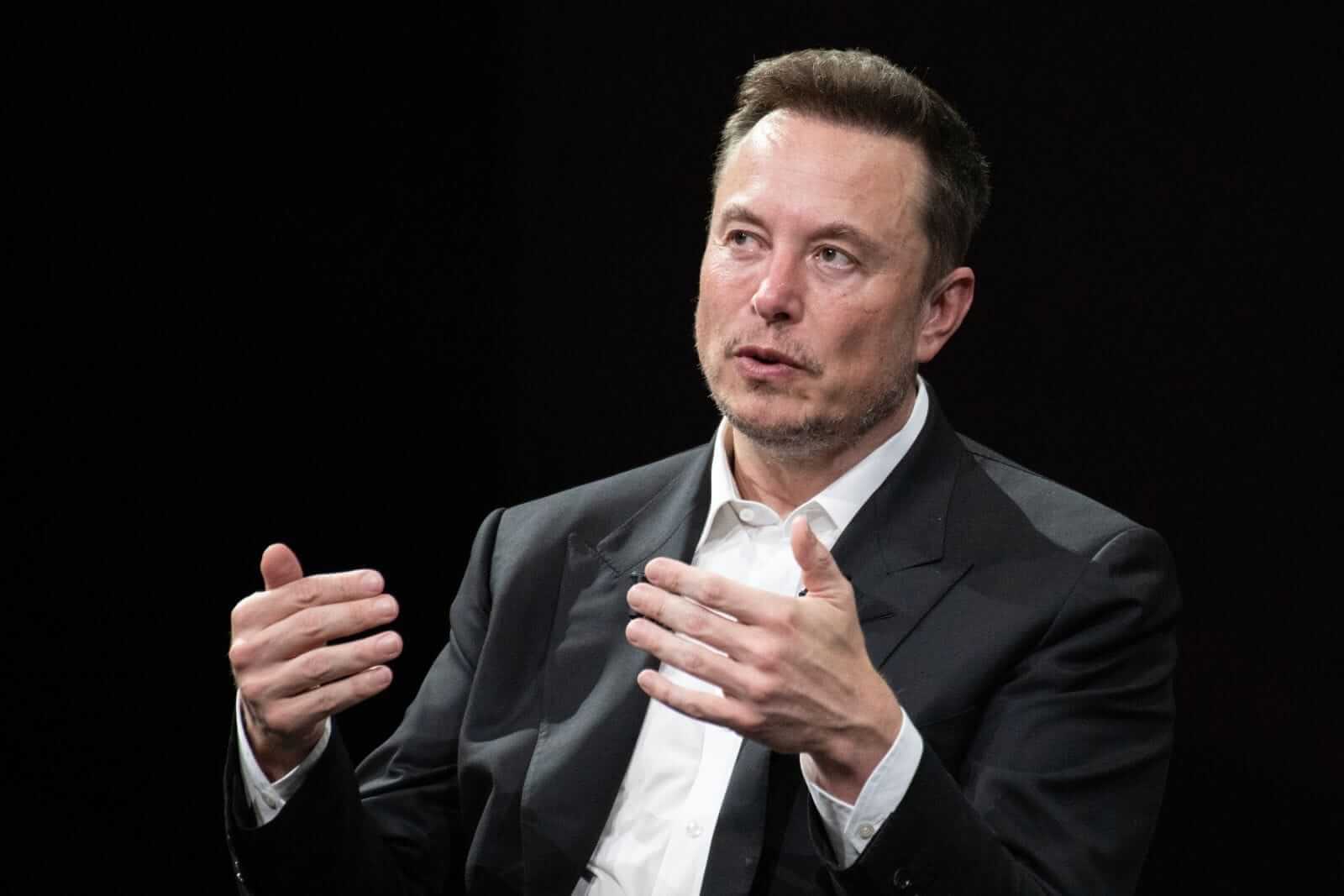
Elon Musk gave Tesla (TSLA) investors a clearer picture of a key supply issue on July 22. He said Micron (MU) recently gave Tesla a “very significant allocation” of memory chips on “reasonable terms,” and added that Micron is “making room for Tesla in the years to come.”
Musk also said memory prices across the industry are “pretty insane” and were “the biggest price jump in anything I’ve ever seen.” That matters because this looks like more than a short-term fix.
More Top Stocks Daily: Go behind Wall Street’s hottest headlines with Barchart’s Active Investor newsletter.
Tesla may be securing a steadier supply line at a time when memory chips are getting harder to find and more expensive to buy. The shortage is tied to heavy AI demand, and even Apple’s (AAPL) CEO Tim Cook has called it a “hundred-year flood.”
So the real question is simple. Is Micron just helping Tesla get through a tight market, or is this the start of something bigger for Tesla’s next phase?
Tesla’s Q2 Profit Strain
Tesla’s latest quarter made the Micron news look even more important, especially as the company keeps spending more on its next big bets. The Q2 CY2026 report, released on July 23, was solid on sales but weak where it counted most.
Its revenue came in at $28.24 billion, above the $26.71 billion estimate. But non-GAAP EPS was only $0.33, well below the $0.54 expected, which showed that higher sales are still not flowing cleanly into profit.
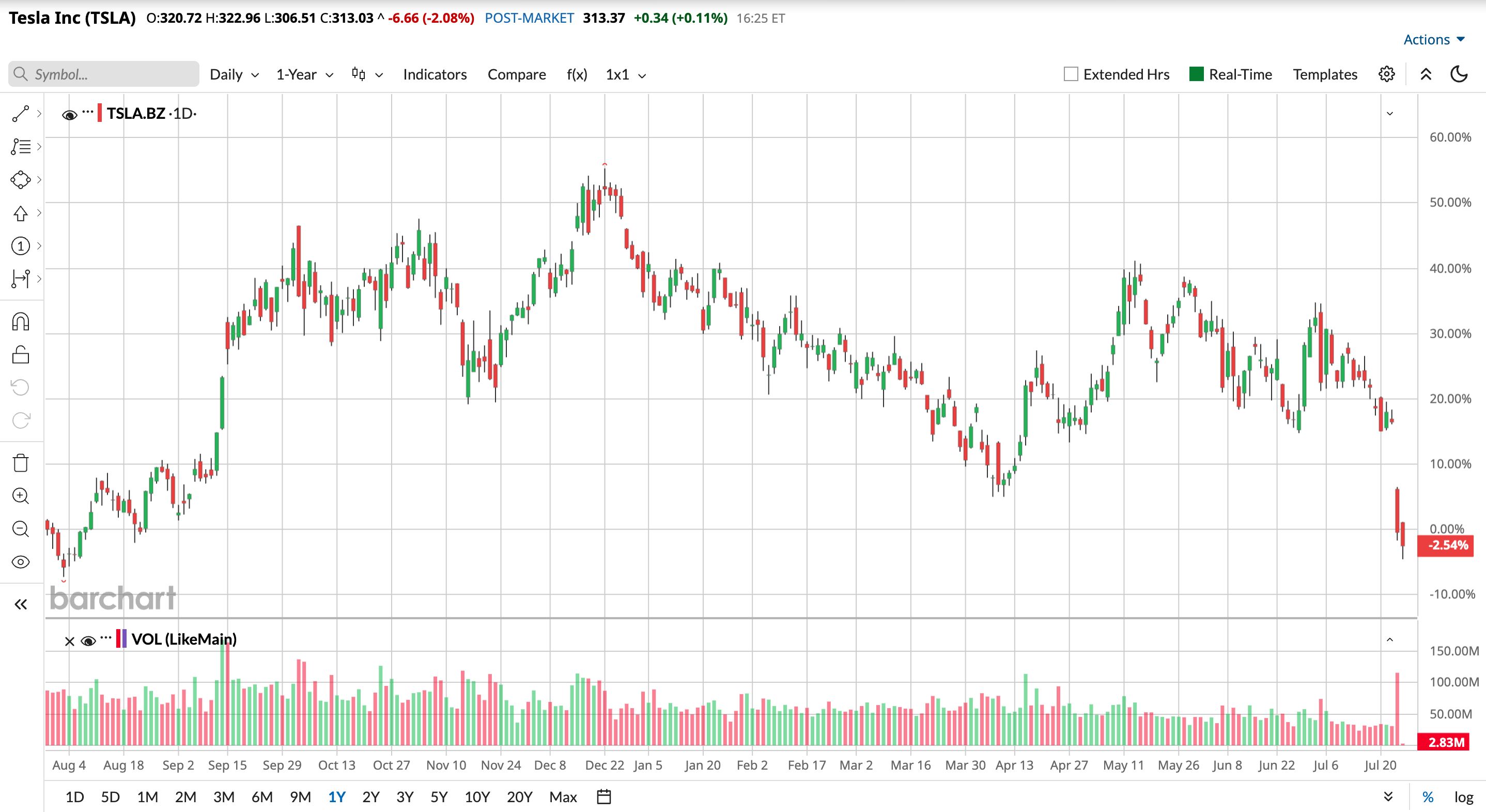
The stock’s price also tells a rough story. Tesla is down 30.4% year-to-date (YTD) and up marginally 2.54% over the past 52 weeks.
 www.barchart.com
 Its $1.2 trillion market cap still leaves room for optimism, but the forward price-to-earnings ratio of 279.53 times and price-to-sales ratio of 14.81 times are both far above sector medians of 16.73 times and 0.88 times.
Its recent earnings track record has not helped either. For the quarter ended June 2026, Tesla posted $0.04 against an estimate of $0.32, an 87.50% miss that showed how hard it has been to deliver on expectations.
The quarter was also mixed on operations. Tesla delivered 480,126 vehicles, but gross margin was 16.8%, operating margin fell to 1.4% from 4.1%, and free cash flow margin dropped to -3.9% from 0.6%.
The company is also leaning more on lower-priced Model 3 and Model Y cars after retiring the pricier Model S and Model X. TSLA’s management pointed to heavier spending on AI and other new technology, while its operating cash flow fell 73.30% to $3.937 billion and net cash flow slipped to $39 million.
Micron’s Memory Win Fits Tesla’s Bigger Play
Musk's Micron deal delivers a significant memory allocation. This secures critical chips for AI training and inference at reasonable prices.
That matters because Musk’s chip strategy runs well beyond a single supplier relationship. He has talked about Terafab with ASML, and Tesla is also working on its own AI chips, which would give it more control over supply and cost later on.
Musk unveiled Terafab in March as a fully integrated chip project that would bring design, fabrication, and advanced packaging under one roof, targeting more than 1 terawatt of AI computing capacity a year. He said the project is needed because the semiconductor industry is not scaling fast enough to meet the chip demand he expects ahead.
Optimus adds another layer to that plan. Musk has admitted the robot has no supply chain yet, even while saying there are still reasons to stay optimistic. This is important because Tesla’s humanoid robot plan needs chips, parts, and manufacturing depth before it can scale beyond a demo.
Robotaxi progress is starting to create a more concrete use case for the hardware buildout. Tesla has begun monetizing its Florida fleet, which gives the autonomy story an early revenue path while the company keeps investing in compute and chips.
Taken together, Micron’s allocation looks like a practical win, but also a reminder of the degree to which Tesla now depends upon supply chain execution.
Wall Street Still Sees More Upside
Tesla’s next quarter is still shaping up to be a softer one, with analysts looking for $0.36 in EPS for the quarter ending Sept. 2026, down from $0.37 a year earlier. That points to a 2.7% year-over-year (YOY) drop, which says the company is still spending hard before the payoff shows up.
Bank of America remains one of the more bullish voices on Tesla. It gives a “Buy” rating and a $460 price target, and its case is that Tesla’s ability to scale technology efficiently could help it lead the robotaxi market.
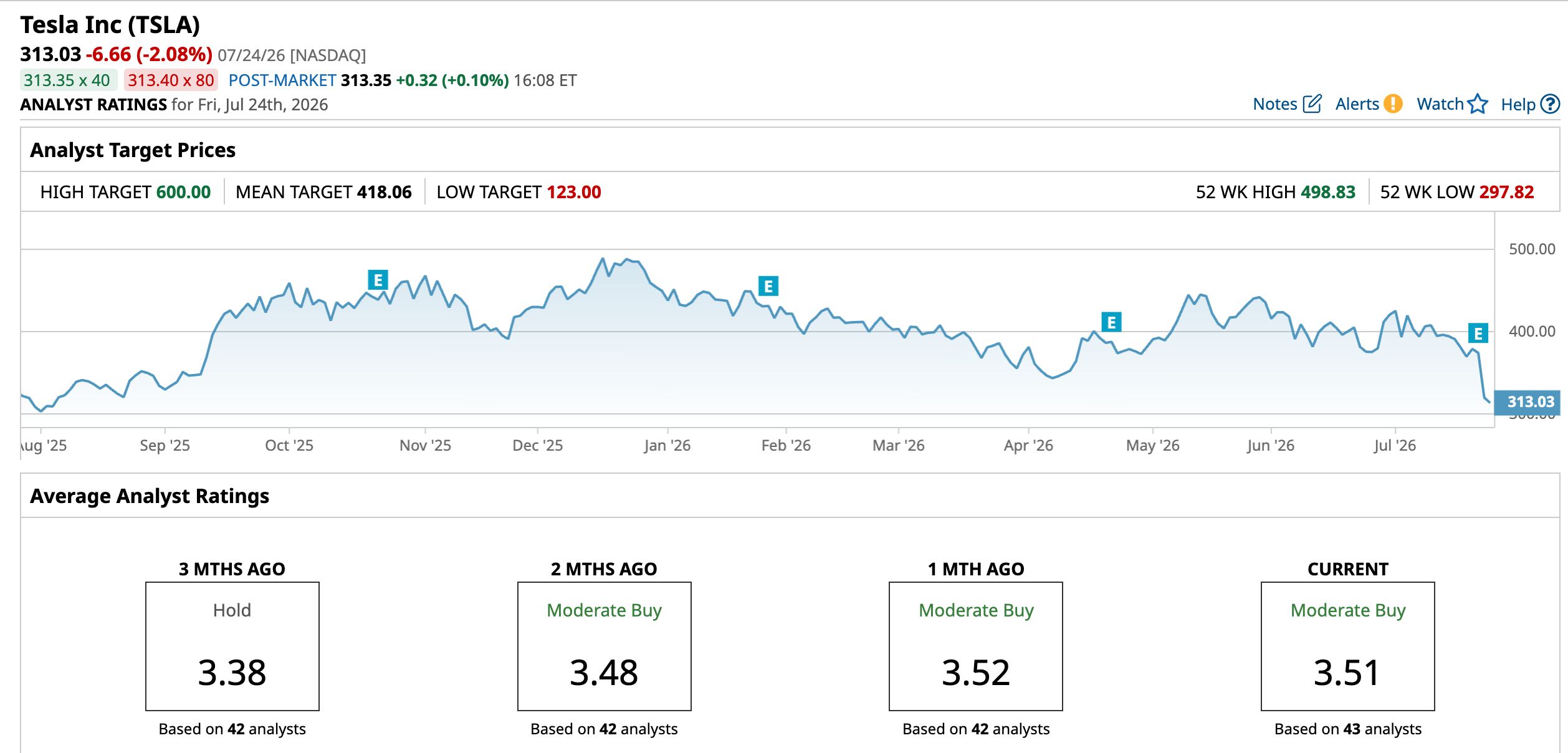
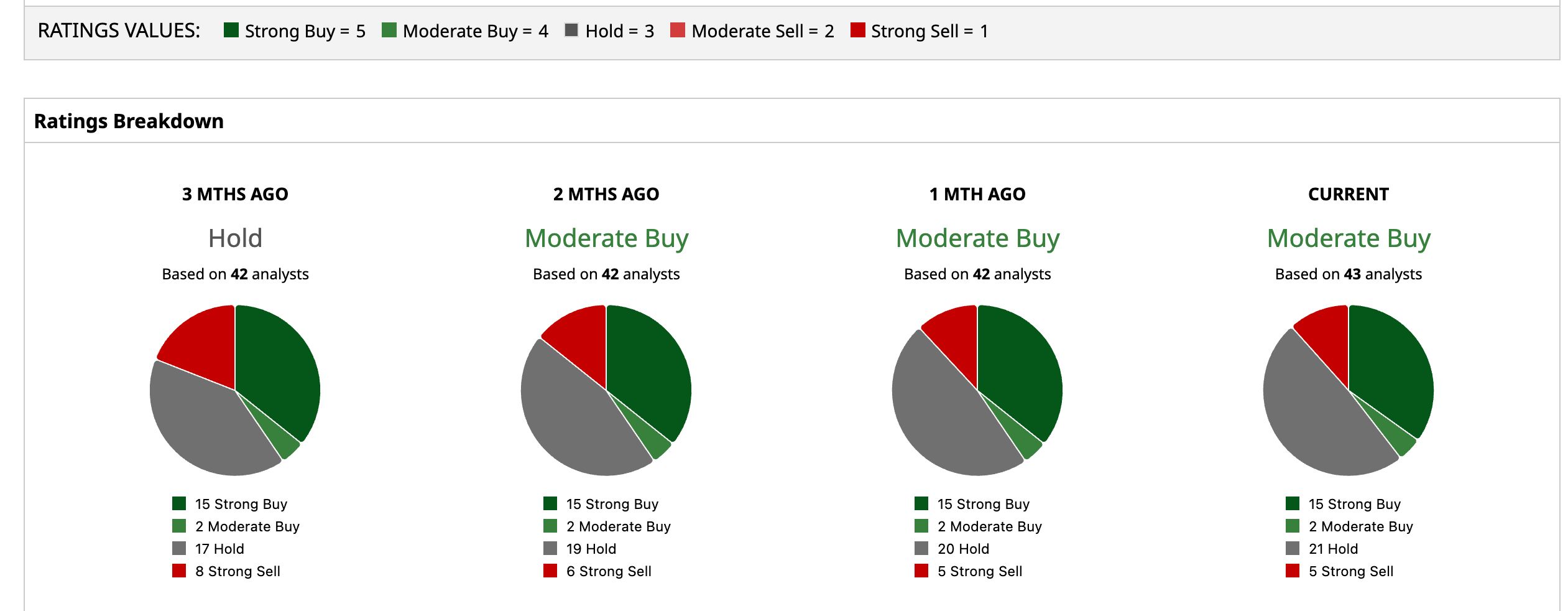
The broader Street is still fairly supportive too. Based on 43 analysts, Tesla has a consensus “Moderate Buy” rating, and their average price target of $418.06 implies about 33.6% upside. That setup keeps Tesla in a strange spot.
 www.barchart.com
  www.barchart.com
 Conclusion
Micron’s chip allocation looks like a small but useful win for Tesla because it eases a supply problem at the right time. Still, Tesla’s earnings are under pressure, so the market will want to see whether this chip access actually leads to better results and stronger profits. Most likely, the stock may stay a bit choppy as investors balance the good supply news against a weak quarter. Over time, the bigger test is whether robotaxi, Optimus, and Tesla’s own chip plans start showing real progress, not just big talk.
On the date of publication, Ebube Jones did not have (either directly or indirectly) positions in any of the securities mentioned in this article. All information and data in this article is solely for informational purposes. For more information please view the Barchart Disclosure Policy here.
More news from Barchart
Intel Just Delivered Its Best Quarter in Years, But There Are Still Better AI Stocks to Buy Elon Musk Just Revealed a Quiet Win for Tesla’s AI Ambitions American Airlines Stock Plunges as Fuel Costs Surge. How to Play AAL Now. Mobileye Stock Is Down Despite Strong Results as Its Founder Steps Down. View the CEO Switch as a Reset, Not a Red Flag.