

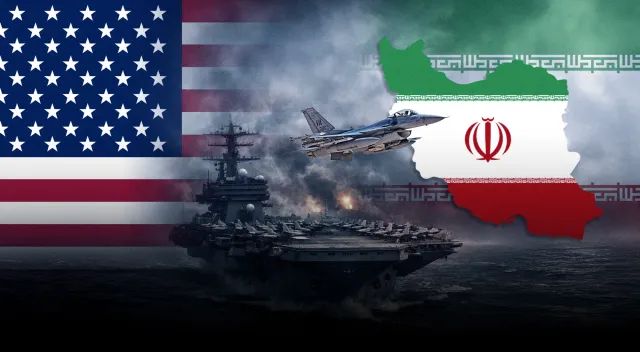
Iran’s currency has lost between 60% and 70% of its value against the US dollar. One of the country’s largest banks collapsed last December. And now, nearly half a billion dollars in cryptocurrency tied to the Iranian government has been seized by the United States.
Currency In Free Fall
Treasury Secretary Scott Bessent confirmed Wednesday that American authorities have taken control of close to $500 million in Iranian crypto assets — a figure well above the $344 million that had been publicly reported just days earlier.
Bessent disclosed the updated number during an appearance on Fox Business’s “Kudlow,” where he laid out the scale of a campaign that has been targeting Tehran’s finances on multiple fronts.
“We are freezing bank accounts everywhere,” Bessent said. “More importantly, we are making people less willing to deal with the regime.” He added that retirement funds and overseas real estate belonging to Tehran officials are also being targeted.
The gap between the two figures — $344 million and $500 million — has not been explained. No response was received from the US Treasury or Tether regarding the discrepancy at the time of publication.
Under Economic Fury, @USTreasury will continue to systematically degrade Tehran’s ability to generate, move, and repatriate funds.
Treasury’s Office of Foreign Assets Control is sanctioning multiple wallets tied to Iran — resulting in the freeze of $344 million in…
— Treasury Secretary Scott Bessent (@SecScottBessent) April 24, 2026
Operation Economic Fury
The seizures are part of Operation Economic Fury, a campaign ordered by US President Donald Trump in March 2025. The operation aims to cut off the country’s access to the global financial system through asset seizures, frozen bank accounts, and secondary sanctions on countries that continue purchasing Iranian oil.
On Tuesday alone, the Treasury Department’s Office of Foreign Assets Control sanctioned 35 entities and individuals connected to Iran’s shadow banking network.
Separately, a Chinese oil refinery and around 40 shipping companies were targeted for moving Iranian crude oil to buyers in China and elsewhere in violation of sanctions.
Fourteen additional individuals and entities were sanctioned for sourcing components used in Shahed-series attack drones and ballistic missile propellants.
Since February 2025, OFAC has sanctioned more than 1,000 Iran-related persons, vessels, and aircraft under the operation.
The $344 million portion of the seizure involved frozen Tether stablecoins. Tether confirmed it had locked the funds — held in USDT — after a request from US authorities. The wallets were tied to Iran through sanctions designations made by OFAC.
While the US moves to cut off Iran’s crypto holdings , Tehran has been exploring ways to use digital currency to generate income of its own.
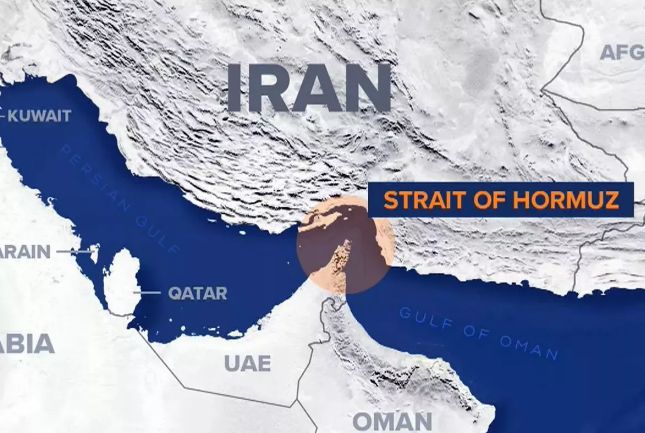
Reports emerged earlier this month that Iran was weighing a plan to charge ships Bitcoin tolls for passage through the Strait of Hormuz. Loaded vessels would be charged roughly $1 per barrel of oil. Empty tankers would pass freely.
According to reports, Iran had already collected revenue from such tolls, though the Iranian government has not publicly confirmed this.
Adding to the confusion, maritime risk firm Marisks warned that fraudsters were posing as Iranian security services and demanding Bitcoin or USDT payments from shipowners stuck near the strait.
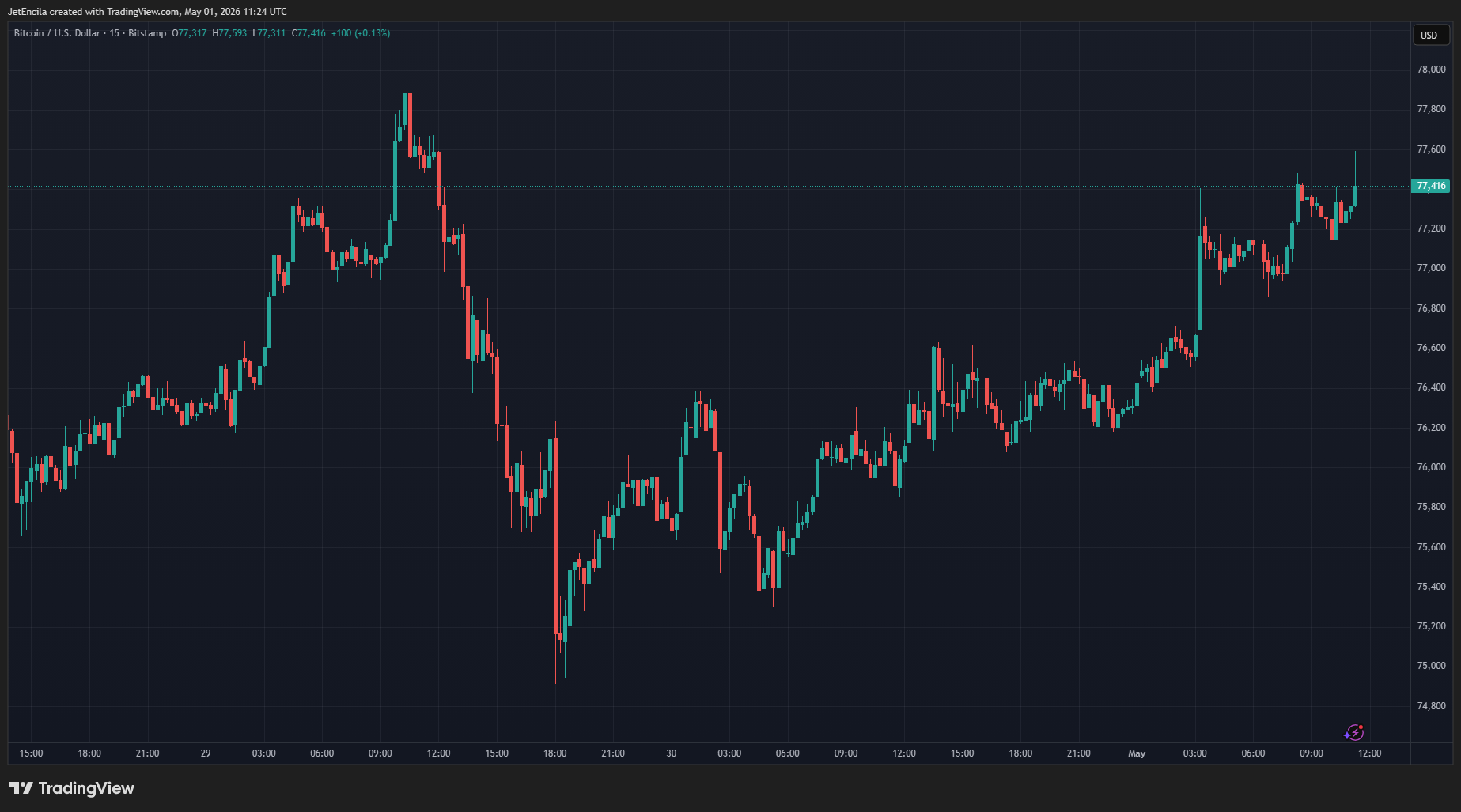
Featured image from Trends Research & Advisory, chart from TradingView