

Artificial intelligence (AI) can analyze scans, summarize medical records, and process more information than any human could memorize. But if a patient suddenly collapses in an exam room, there’s still one major problem: The AI isn’t in the room.
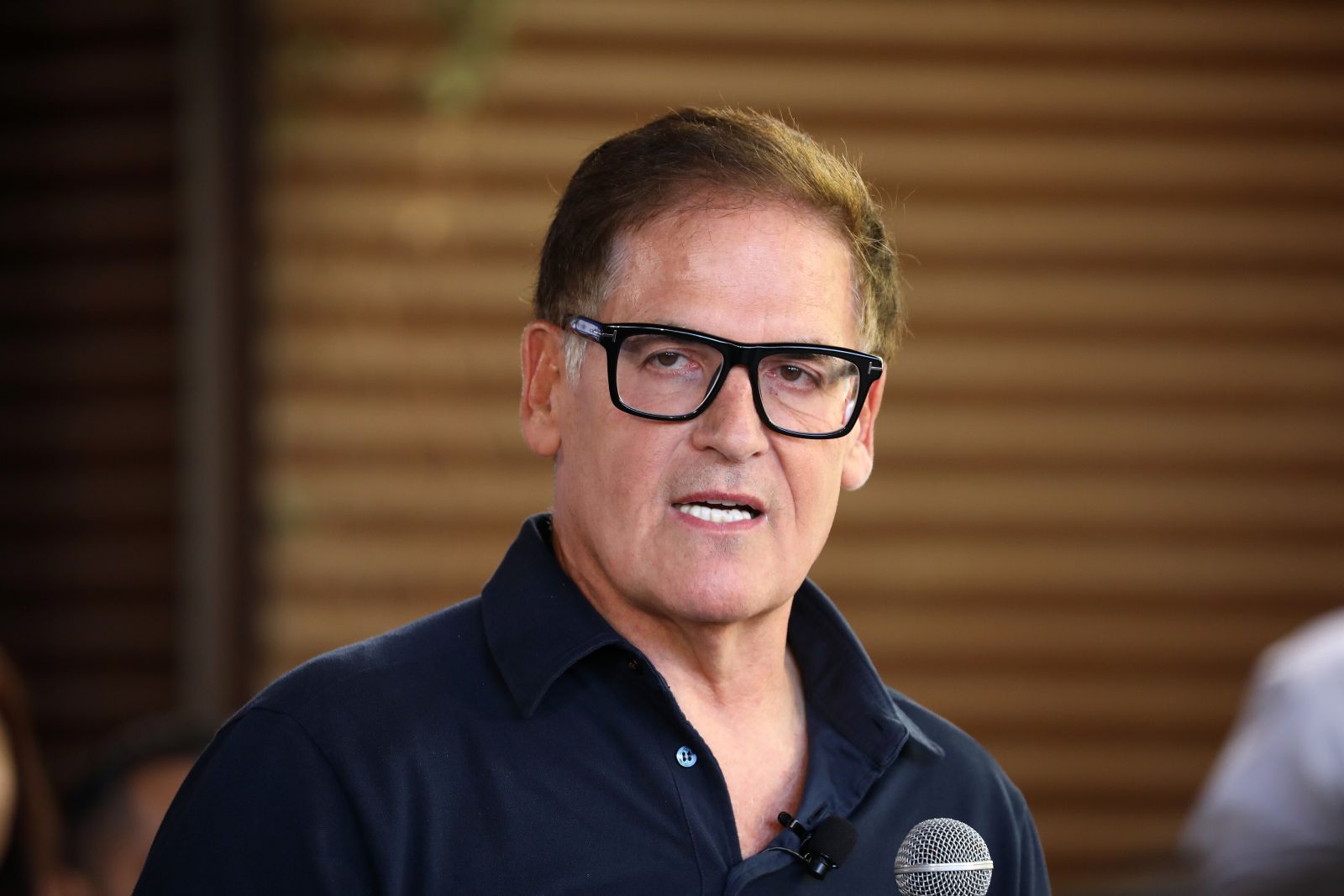
Billionaire investor and entrepreneur Mark Cuban made that point on Aug. 19 while responding to internist Suneel Dhand, who argued that most physicians — including surgeons — could be “toast” within five to 10 years because of AI.
Join 200K+ Subscribers: Find out why the midday Barchart Brief newsletter is a must-read for thousands daily.
Cuban’s response focused less on what AI can calculate and more on what a doctor can observe and do in real time.
Sponsored Content: The ‘Nvidia of Energy’ has a $2.1T opportunity. Invest in Frontieras before the August 27 deadline.
“You just puked. Let’s find out why,” Cuban wrote on X, describing what a doctor might say after watching a patient vomit. If that same patient suddenly collapses, a human doctor can recognize what is happening and begin CPR. AI can’t physically see the patient collapse, perform chest compressions, or respond to the changing situation in the room.
That distinction is at the heart of Cuban’s broader argument. AI may become an extraordinary medical tool, but a tool isn’t the same thing as a doctor standing in front of a patient.
Cuban also pointed to the information doctors pick up that may never appear in a medical record. If another physician knows a patient’s family history or learns something about the patient’s home life, that information can change how the doctor approaches the situation.
“A doctor has to be able to listen, understand, and have empathy,” Cuban wrote. “AI can’t.”
His larger point is that medicine isn’t just a data problem. A doctor doesn’t know exactly what will happen when a patient walks through the door, and the ability to watch, listen, and respond as circumstances change is part of the job.
“No doctor knows what will happen to a patient when it steps in their office,” Cuban wrote. “They have a real time identification and response skill set that AI can’t and won’t have.”
How Cuban Sees AI Playing a Role in Health Care
That doesn’t mean Cuban thinks AI has little value in health care — quite the opposite. A computer can process vastly more information than a doctor can hold in memory, making AI useful for analyzing records, spotting patterns, and helping physicians make decisions.
The limitation, he argued, is the patient standing in front of the doctor.
People have countless variables affecting their health, including factors that can be difficult to measure or even identify. Social circumstances, family situations, behavior, and what is happening in real time can all affect medical decisions. Cuban said he doesn’t expect AI to fully account for those variables within the next five or 10 years.
He also questioned whether AI can truly have judgment without a human being responsible for the outcome.
That puts Cuban at odds with some of the more sweeping predictions coming from Silicon Valley. Tech leaders, including Tesla (TSLA) and SpaceX (SPCX) CEO Elon Musk, have argued that AI could eventually deliver medical care that is dramatically better and more widely accessible.
Cuban’s argument is narrower — and more grounded in what happens when medicine gets messy.
AI can read the chart. It can analyze the scan. It can flag a possible problem.
But when a patient vomits, collapses, or suddenly takes a turn, Cuban’s message is simple: There still needs to be someone in the room.
On the date of publication, Caleb Naysmith did not have (either directly or indirectly) positions in any of the securities mentioned in this article. All information and data in this article is solely for informational purposes. For more information please view the Barchart Disclosure Policy here.