

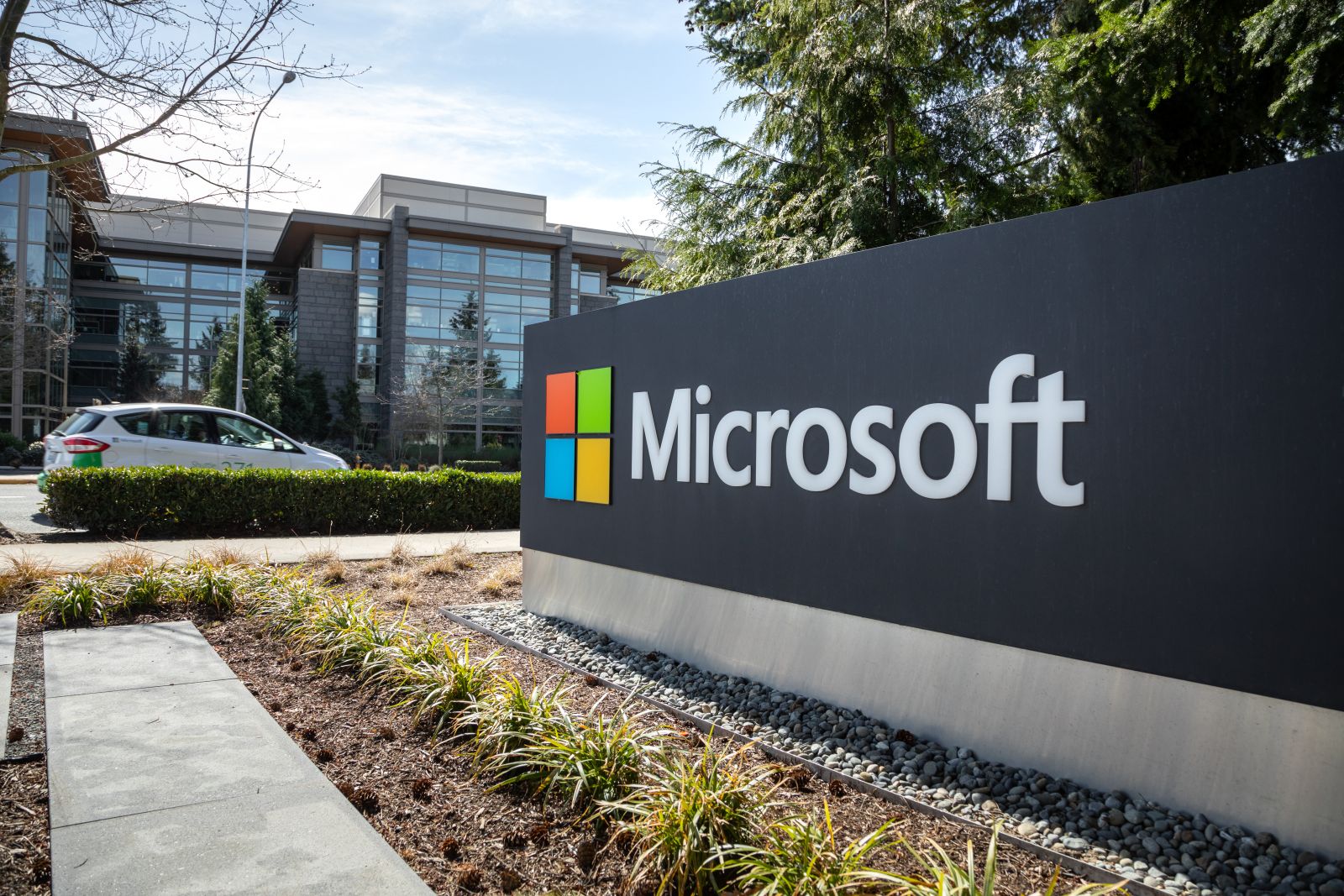
Microsoft (MSFT) has launched the Surface Laptop Ultra, positioning it as a stronger performer than Apple’s (AAPL) MacBooks. The device is powered by Nvidia’s (NVDA) RTX Spark and targets gaming and AI users. The laptop starts at $2,599. However, the product launch is drawing attention away from the factors that matter more to Microsoft’s stock.
The Showcase, Not the Business
The laptop is expected to run “hundreds” of AAA games, while the Dev Box carries a starting price of $5,999. However, Microsoft has not provided benchmarks to support its performance claims. The high price also limits the number of potential buyers.
More Top Stocks Daily: Go behind Wall Street’s hottest headlines with Barchart’s Active Investor newsletter.
The more significant announcement came from CEO Satya Nadella, who said Copilot is now available both on devices and in the cloud. Meta Platforms' (META) Muse agent is also coming to Windows, indicating that Microsoft is prepared to host competing AI agents. The hardware launch highlights the company’s broader plan to make Copilot available everywhere.
What the Market Is Paying For?
Microsoft trades at a forward P/E of 26.8x, about 12% below its most recent historical average of 30.51x. That discount is worth noting, as EPS growth is expected to accelerate from 14.40% to 19.77%, and then to 22.41%. The new laptop alone is unlikely to close that gap. Investors may be looking for clearer evidence that Copilot can generate earnings before valuing Microsoft more richly. If the P/E returned to its five-year average, with earnings unchanged, the stock would be about 14% higher.
I don’t think the laptop changes the investment case. Copilot adoption is what matters.
About Microsoft Stock
Microsoft is a $3.72 trillion technology giant that develops and sells enterprise software, cloud-computing infrastructure, artificial intelligence services, productivity applications, cybersecurity tools, operating systems, devices, and gaming content. Windows still commands more than 70% of the global PC operating system market, but that is just the starting point. Today, Microsoft’s influence stretches across Azure cloud computing, Microsoft 365 productivity tools, developer platforms, enterprise solutions, and gaming. Founded in 1975, the company is headquartered in Redmond, Washington.
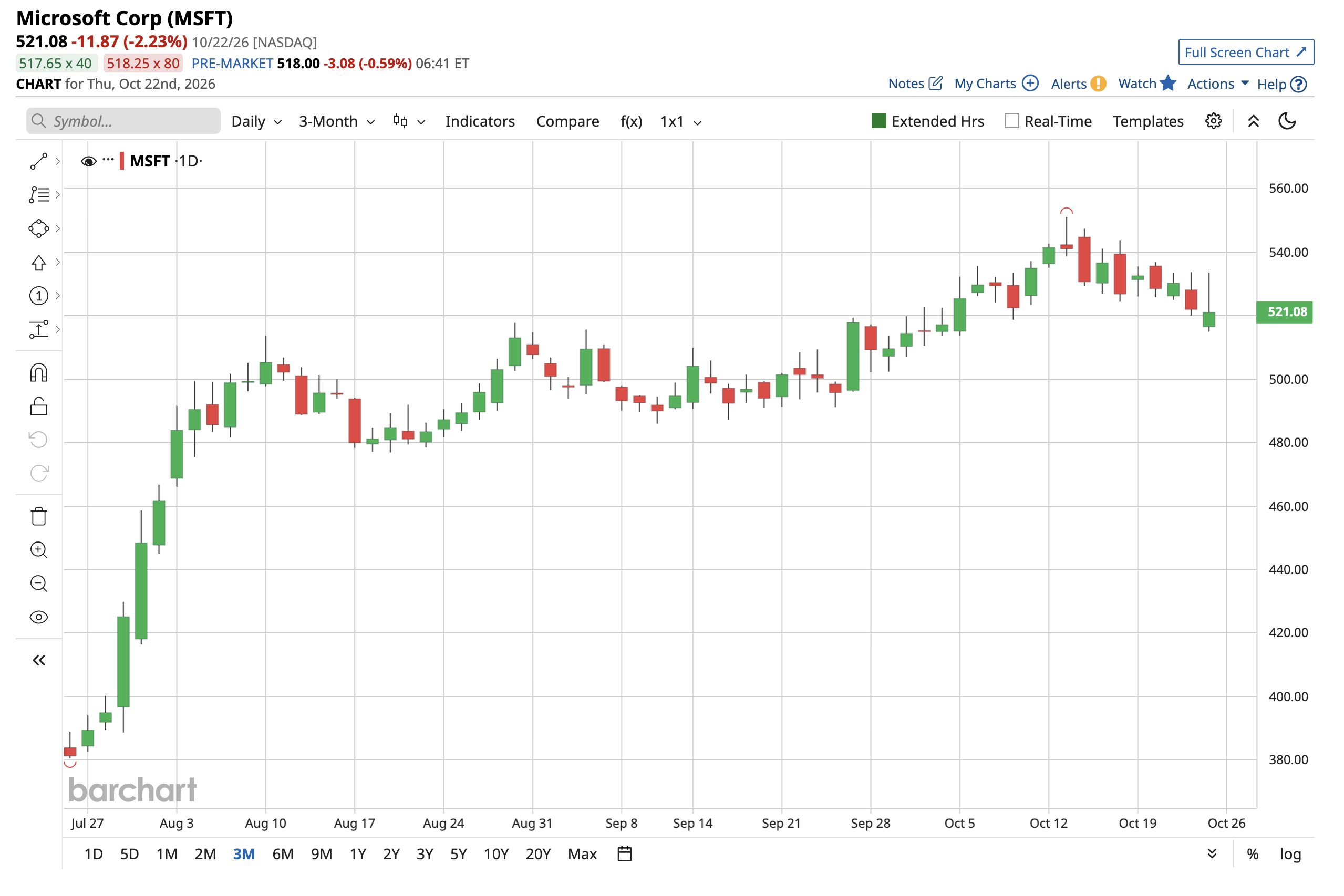
Microsoft’s long-term stock performance has been solid. Over the past decade, MSFT shares have climbed roughly 945%, riding the rise of cloud computing and, more recently, the AI boom. The shorter-term ride, however, has been much bumpier. After spending much of the past year under pressure, the stock has managed to turn things around. MSFT is now up 23% over the past six months and about 38% over the last three months, recently reaching a YTD high of $519 on September 25. Improving confidence in Microsoft’s AI monetization story, along with a string of bullish analyst calls, has helped fuel the rebound.
 www.barchart.com
Microsoft Expects Revenue Growth to Continue in Q1 FY2027
Microsoft reported fourth-quarter results on July 29, ending fiscal 2026 with a quarter that gave investors plenty to like. The numbers comfortably beat Wall Street’s expectations, helped by strong commercial cloud demand and a surge in AI workloads. Revenue amounted to $90 billion, up 18% year over year (YOY), while adjusted EPS climbed 22.8% to $4.74. Operating income rose 18.3% to $40.6 billion. As usual, the cloud business did much of the heavy lifting. Microsoft Cloud revenue jumped 27% YOY to $59.3 billion, while commercial remaining performance obligations (RPO), essentially a window into contracted revenue still to come, surged 84% to $678 billion.
Microsoft’s AI ambitions were impressive. During fiscal 2026, Azure revenue crossed $100 billion for the first time, while Microsoft 365 Copilot surpassed 30 million paid seats. This suggests customers are increasingly moving beyond AI experimentation and putting Microsoft’s tools to work.
Looking ahead, management anticipates Q1 fiscal 2027 revenue between $89.85 billion and $90.95 billion, implying 16% to 17% annual growth. More strikingly, quarterly capex is expected to exceed $50 billion. CFO Amy Hood said the company expects revenue growth of approximately 45% in constant currency in Azure. Compared with the prior quarter’s call, management's Azure outlook moved from between 39% and 40% in constant currency to approximately 45% for Q1.
What Do Analysts Think of MSFT Stock?
The analyst mood around Microsoft has changed. After spending much of the first half of the year facing downgrades and target cuts, MSFT got a fresh vote of confidence following its strong fiscal Q4 results in July. Piper Sandler was among the latest to turn more positive. On Oct. 20, Billy Fitzsimmons reiterated a Buy rating on MSFT and assigned a price target of $610. On the same day, BMO Capital analyst Keith Bachman also maintained a Buy rating with a price target of $600.
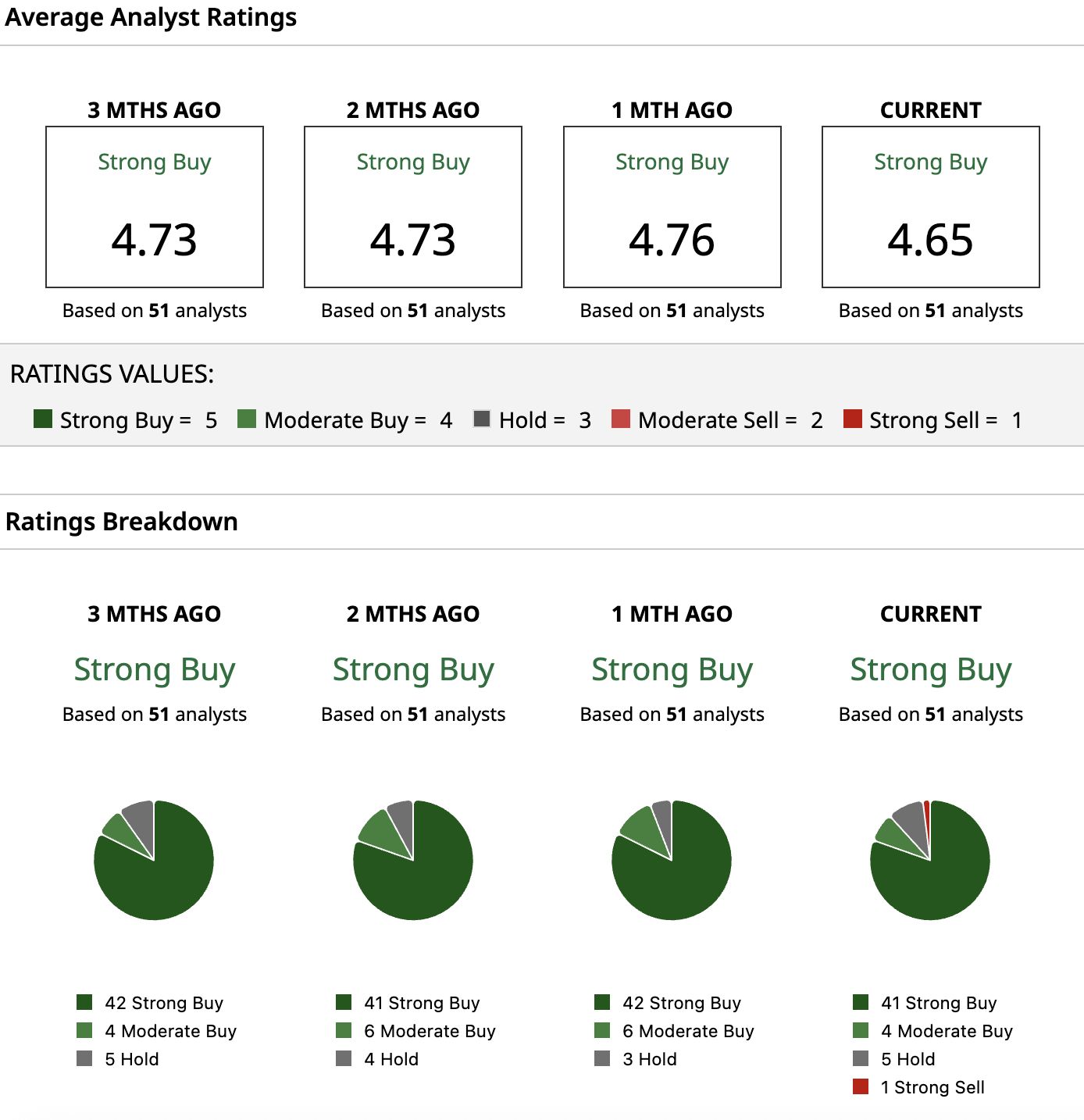
Analysts are upbeat on MSFT, with an overall “Strong Buy” consensus. Of the 51 Wall Street analysts covering the stock, 41 rate it a “Strong Buy,” four suggest a “Moderate Buy” rating, five are on the sidelines with a “Hold” rating, and the remaining one has a “Strong Sell” rating. Microsoft’s rally may still have more fuel in the tank if we listen to Wall Street. MSFT’s mean price target of $592.66 reflects 11% upside from current levels. Some are even more optimistic. The Street-high price target of $725 implies the tech stock could rise as much as 36%.
 www.barchart.com
On the date of publication, Jabran Kundi did not have (either directly or indirectly) positions in any of the securities mentioned in this article. All information and data in this article is solely for informational purposes. For more information please view the Barchart Disclosure Policy here.