


Robinhood (HOOD), the pioneer of commission-free trading, has received pushback from the CEO of the world's largest theater chain operator, AMC (AMC), Adam Aron. Why? Well, Aron is not enthused about Robinhood's offering of tokenized real-world assets through the launch of Robinhood Chain, an Ethereum (ETHUSD) Layer 2 network built on Arbitrum technology. Aron has raised concerns around investor rights, securities regulation, and the specter of synthetic trading.
Particularly, Aron takes umbrage with AMC stock being tokenized by the Vlad Tenev-led company.
Join 200K+ Subscribers: Find out why the midday Barchart Brief newsletter is a must-read for thousands daily.
But are Aron's concerns valid? Or is tokenization the inevitable way forward for securities trading? The answer is more nuanced and lies somewhere in between.
What Are Tokenized Assets?
Tokenized assets are the digital forms of existing assets traded on exchanges, such as stocks, bonds, or ETFs. Issued and managed on a blockchain, an investor holds a standard cryptographic token (like an ERC-20 token) that tracks the price and provides the economic exposure of the underlying real-world asset. Notably, these assets operate on decentralized ledgers. Thus, they can bypass the constraints of traditional stock market hours, allowing them to trade globally 24/7, settle in seconds, and plug directly into decentralized finance (DeFi) protocols where they can be used as collateral or traded on automated market makers.
Broadly, Robinhood views tokenized real-world assets as the next evolution of its wider vision to democratize finance for retail investors. By bringing equities on-chain, Robinhood aims to give users the reliability of regulated traditional assets in consonance with the programmable utility, constant liquidity, and borderless nature of decentralized blockchain infrastructure.
To execute this, the company officially launched Robinhood Chain in July 2026, a dedicated Ethereum Layer 2 network built using Arbitrum Orbit technology. The flagship products of this network are “Stock Tokens,” which are tokenized debt securities issued by Robinhood’s Jersey-based subsidiary that mirror the prices of nearly 500 major U.S. stocks and ETFs, including Apple (AAPL) and Nvidia (NVDA). These tokens handle complex corporate actions like stock splits and dividends through automated on-chain multipliers, ensuring the digital asset accurately reflects the real-world equity.
Yet, investors in the United States cannot access tokenized real-world assets because strict U.S. securities laws mean these Stock Tokens are not registered under the Securities Act of 1933. Instead, Robinhood has focused its deployment on European markets, structuring the tokens as blockchain-based derivatives compliant with the EU’s MiFID II framework.
Concerns Are Valid, and So Is the Opportunity
Tokenized assets are at a nascent stage, with the market currently at just about $3 billion. Yet, Citi's latest report on the same expects it to exceed $5 trillion by 2030.
However, some of Aron's concerns are real. Robinhood's tokens are issued by a Jersey entity called Robinhood Assets, sold under Regulation S, and explicitly barred from U.S. investors. They are tokenized debt securities rather than equity, meaning holders get price exposure but no voting rights, no dividend entitlement, and no place on AMC's actual shareholder register.
Notably, Securitize CEO Carlos Domingo pointed out that thin liquidity had pushed one token linked to AMC to trade at roughly 60 times AMC's real share price, which is precisely the kind of dislocation that worries regulators. The SEC itself addressed this distinction back in January 2026, issuing guidance that separates tokens from the ones issued by sponsors, which can represent genuine ownership, from third-party synthetic products that amount to derivatives regardless of the blockchain wrapper.
Earlier, OpenAI went through nearly the same experience in July 2025, when Robinhood gave European users tokens tied to OpenAI and SpaceX (SPCX) through a special purpose vehicle. OpenAI publicly disavowed the product, stating flatly that the tokens were not its equity and that no transfer had been approved.
Analyst Opinion of HOOD and AMC Stocks
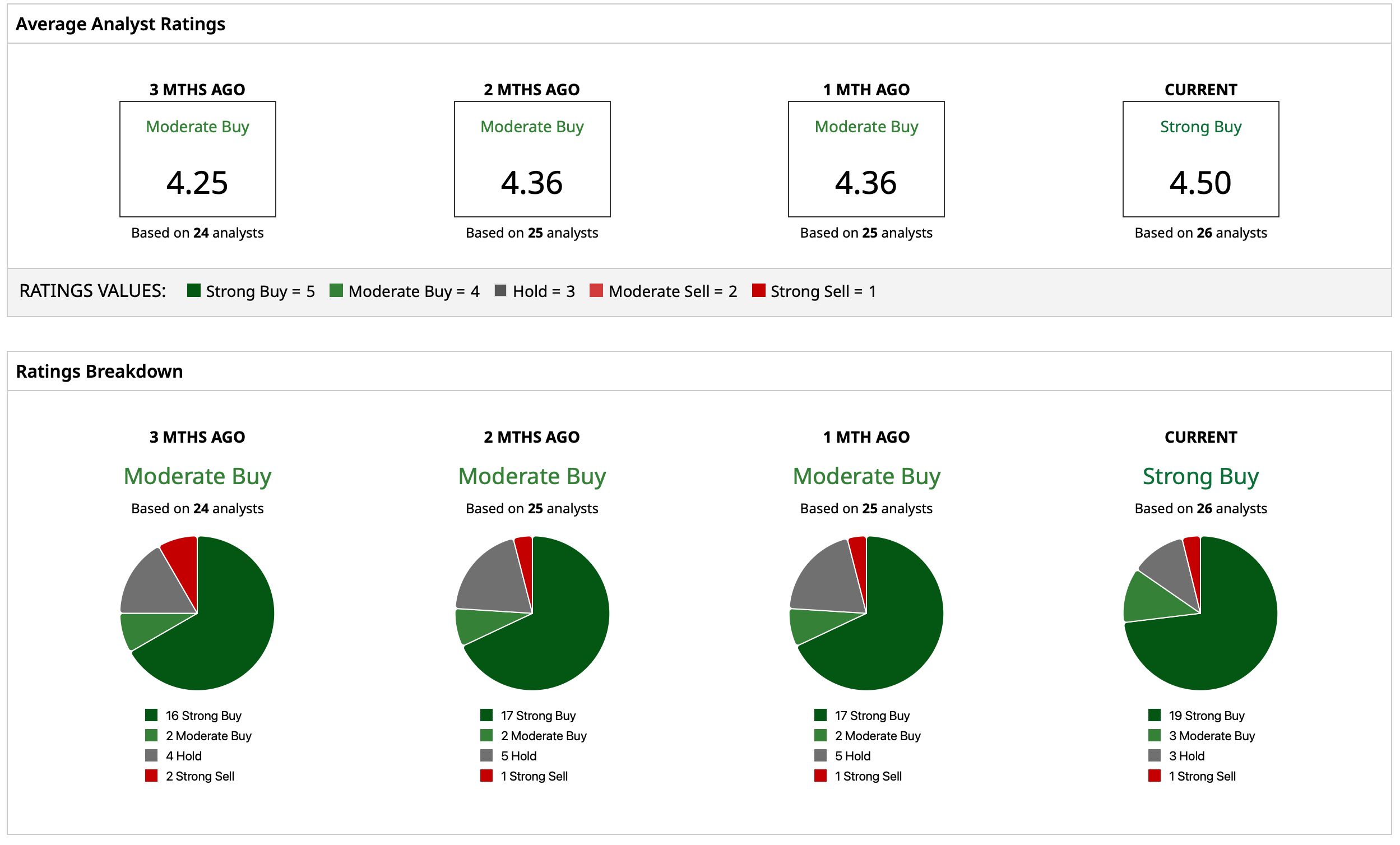
Analysts have attributed an overall consensus rating of “Strong Buy” for HOOD stock, with a mean target price of $125.36. This implies limited upside potential from current levels of about $120. Out of 26 analysts covering the stock, 19 have a “Strong Buy” rating, three have a “Moderate Buy” rating, three have a “Hold” rating, and one has a “Strong Sell” rating.
 www.barchart.com
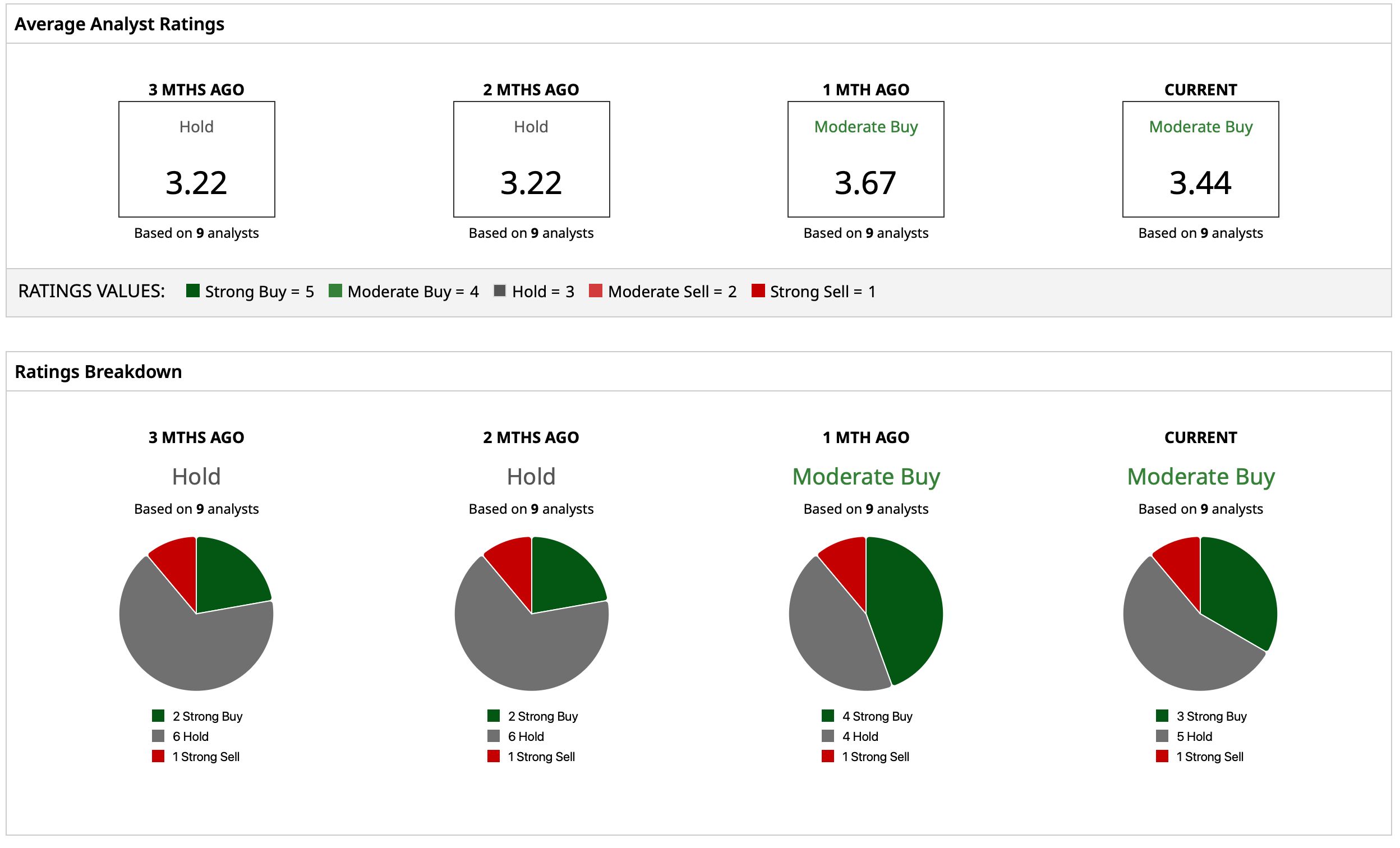
 For AMC, analysts believe the stock to be a consensus “Hold.” The mean target price of $2.90 indicates a potential upside of 15% from current levels of about $2.50. Out of nine analysts covering the stock, three have a “Strong Buy” rating, five have a “Hold” rating, and one has a “Strong Sell” rating.
 www.barchart.com
 On the date of publication, Pathikrit Bose did not have (either directly or indirectly) positions in any of the securities mentioned in this article. All information and data in this article is solely for informational purposes. For more information please view the Barchart Disclosure Policy here.
More news from Barchart
Why AMC CEO Adam Aron Dislikes Robinhood’s New Tokenized Assets Michael Saylor Says ‘We’re Back’ as Strategy Resumes Bitcoin Buying. What Comes Next for MSTR Stock. Strategy’s Strategy Appears to Have Failed, and the Outlook of MSTR Stock Is Unfavorable Bitcoin Climbed Back Above $80,000. Michael Saylor’s Strategy Isn’t Going to Zero, But Its Fate Rests on the Same Thing.