

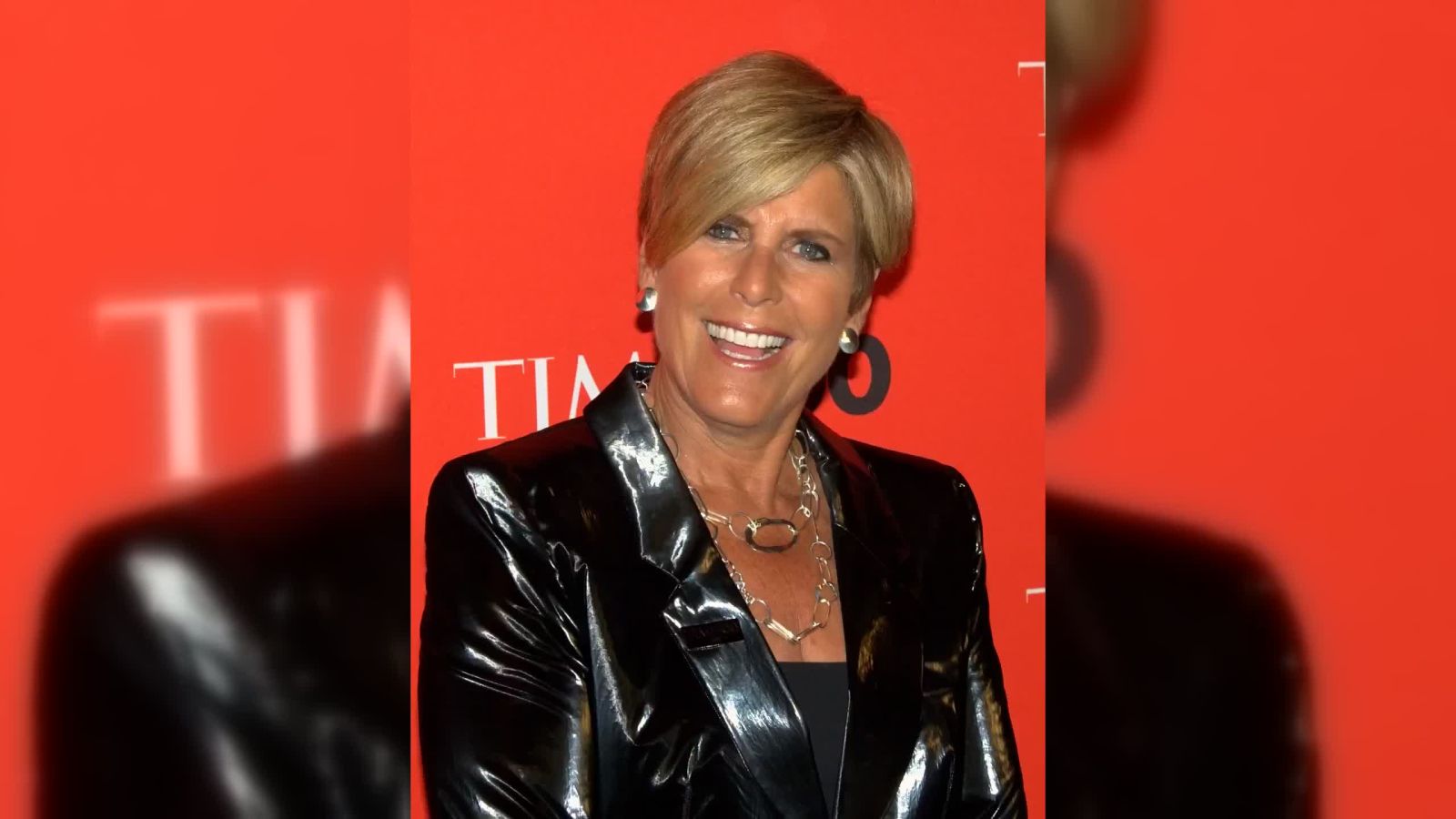
The sentence that sells a variable annuity is a reassuring one, and it usually arrives near the end of the meeting: You can never get back less than you put in. Even Suze Orman agrees, saying on an episode of her show, "You will never get less than what you originally put in. Now that is true, but you have to die for that to be true."
She is not calling the guarantee fictional, but as she put it, "The contract guarantees to pay you what that contract is worth at the time that you die, or at least 100% of what you put into the contract." The floor is a death benefit that pays out to a beneficiary. It is not a promise that the account will be worth at least what was paid in on the day the owner wants the money.
Join 200K+ Subscribers: Find out why the midday Barchart Brief newsletter is a must-read for thousands daily.
Orman does have some structural objections to how some annuities are set up. "It makes no sense to put a tax-deferred investment in a tax-deferred vehicle," she said. The U.S. Securities and Exchange Commission (SEC) says the same thing in duller language in its investor bulletin on variable annuities: "If you are investing in a variable annuity through a tax-advantaged retirement plan, you will get no additional tax advantage from the variable annuity." FINRA's own investor page repeats the point. Tax deferral is the product's main selling point, and a 401(k) or IRA already provides it.
Sponsored Content: This Company Built Technology That Pulls Drinking Water From the Air. Now It’s Open to Investors.
What the buyer does pay for is a stack of charges. The SEC's bulletin puts the base contract fee, often called the mortality and expense risk charge, "typically in the range of 1.25% per year," with administration fees "typically in the range of 0.15% per year" on top, plus the expenses of the underlying funds and anything extra for optional features. Current prospectuses bear that out. Prudential's (PRU) 2026 Premier Investment prospectus lists base contract fees of 0.950% to 1.384% depending on share class and portfolio expenses of 0.28% to 1.41%. Equitable's (EQH-C) EQUI-VEST filing lists a base contract charge of 0.25% to 1.20% and portfolio expenses of 0.54% to 3.04%.
Both issuers publish what that adds up to: Prudential's own illustration shows an annual cost between $1,248 and $2,901 per $100,000 invested. Equitable's range is $901 to $3,617.
Run that forward, and the number gets large, which is the part the sales conversation tends not to cover. Take a $250,000 retirement account, a 7% annual return before costs, and 20 years. At a low-cost index fund's 0.05%, it compounds to about $958,000. At an all-in 2.25%, roughly the SEC's illustrative charges plus a mid-range fund, it reaches about $632,000. The gap is about $326,000, or roughly a third of the balance. At 3%, closer to a contract carrying a rider, the gap widens to about $411,000.
Orman also points to the incentive. Her own site says the fee earned for selling an annuity is typically around 5% to 6%, higher in some cases and lower in others.
Prudential Financial and Equitable both filed updated variable annuity prospectuses in 2026. A variable annuity is a legal, disclosed, regulated product, and for some buyers outside a retirement account, the guaranteed income and death benefit are worth paying for. Orman's argument is narrower than it sounds: It is about where the product is held and what the guarantee actually triggers on.
On the date of publication, Caleb Naysmith did not have (either directly or indirectly) positions in any of the securities mentioned in this article. All information and data in this article is solely for informational purposes. For more information please view the Barchart Disclosure Policy here.
More news from Barchart
‘You Will Never Get Less Than What You Originally Put In’: Suze Orman Says the Annuity Guarantee Is Real, ‘But You Have to Die for That to Be True’ U.S. Stock Futures Climb as Oil Drops, AI Optimism Returns The Bond Market is Breaking Down. Here’s Why – And How Investors Can Navigate Spiking Yields & Sinking Small-Caps. With Inflation Still Running Hot and the Fed Leaning Hawkish, Make This 1 Trade Now