

On September 15, the US Senate voted 49 to 50 on whether to even begin debating the CLARITY Act, the market structure bill the crypto industry had spent more than a year negotiating.
It needed sixty votes. Not a single Democrat voted yes, and the objections had less to do with the text than with who the industry had come to be associated with.
In Washington, Crypto Has Learned How to Make Politicians Listen
What happened next was more revealing than the vote itself. Within days, Fairshake announced it would spend $30 million against Sherrod Brown's Senate bid in Ohio.
Fairshake is a super PAC, the kind of committee American law allows to spend without limit for or against candidates, and most of its money comes from Coinbase, Ripple, and Andreessen Horowitz.
Around the same time, Stand With Crypto, the advocacy group Coinbase launched in 2023 to grade members of Congress on their crypto positions and mobilize voters accordingly, warned that the senators who blocked the bill could pay for it at the polls on November 3.
Plenty of people in our industry find this uncomfortable. I suspect it will work.
🚨Revenge spend: Following the demise of the Clarity Act, Fairshake is gearing up to make its biggest spend of the year: million against Sherrod Brown as he takes another shot at returning to the Senate, where, if successful, he could reclaim his seniority and return as chair… https://t.co/WLf9ChHnFv
— Eleanor Terrett (@EleanorTerrett) September 21, 2026
American politicians learned in 2024, when Fairshake spent around $40 million to help defeat Brown the first time, that crypto had become an issue with a budget attached.
A Politico poll this spring found that only 3% of Americans recognized Fairshake's name, which tells you who its real audience is: the people in Congress, who know it very well.
In Argentina, One Crypto Scandal Speaks Louder Than Millions of Users
Latin America has nothing remotely similar, and I don't think money is the main reason.
Some time ago I went with industry colleagues to Argentina's Congress to raise a tax asymmetry with several senators and deputies. It was a technical issue, the kind of meeting that usually ends with an advisor taking notes.
Instead, the only thing they wanted to talk about was LIBRA, the token President Milei shared on X in February 2025, which collapsed within hours.
That is what happens when a legislator looks at an industry and sees a scandal instead of constituents. And in Argentina the constituents are there.
According to one industry report, about 12.4% of the population used a crypto app every month in 2025, the highest rate in the region, or roughly one in eight Argentines.
A group that size would normally be courted by any politician, yet it remains largely invisible to the people who write the rules, partly because we have never made the effort to show it.
Argentina’s President Reportedly Took M to Promote LIBRA Crypto
— BeInCrypto (@beincrypto) March 16, 2026
Leaked files suggest Argentina’s President Javier Milei agreed to a M deal to promote the LIBRA cryptocurrency pic.twitter.com/WKXehzDUPP
Brazil's Close Election Exposes a Missed Opportunity
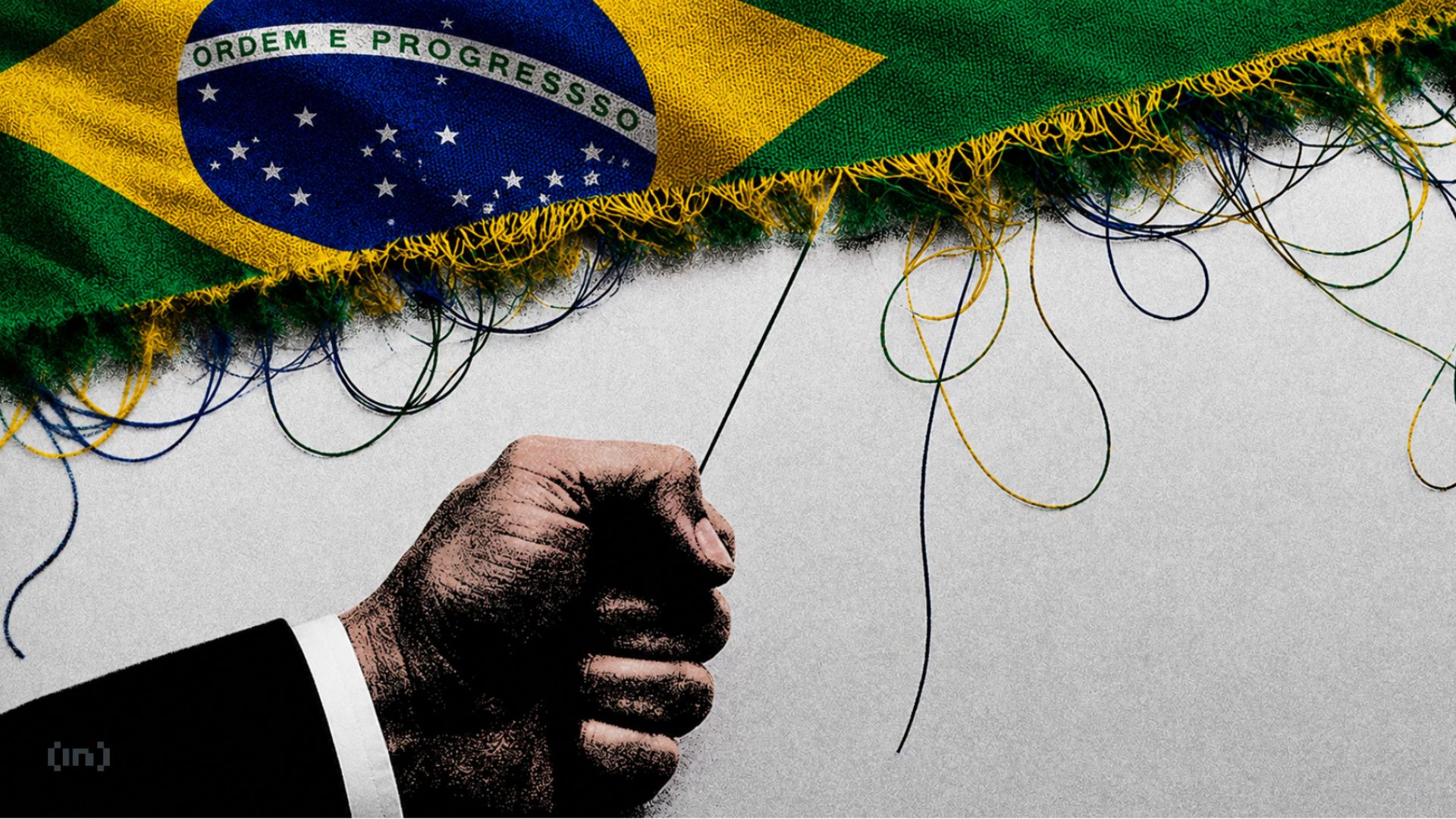
Brazil offers a fresh test of that argument. On October 25, Luiz Inácio Lula da Silva won the presidential runoff against Flávio Bolsonaro with about 51.8% of valid votes to 48.2%, securing a fourth term.
That reversed the first round on October 4, when Bolsonaro had finished ahead with 47.03% to Lula’s 45.16%.
A race that swings like that and ends a few points apart is exactly where an organized group of voters can make a difference. In Brazil, as in Argentina, the people who use crypto every day have yet to show up as one.
https://www.youtube.com/watch?v=sdEL_YVoiEcThe Political Power Crypto Has Yet to Use
Copying Fairshake is neither possible nor desirable here, given the region's campaign finance rules and political culture. Two parts of the American playbook do travel well, though.
Industry chambers should go beyond acting as technical interlocutors and start keeping a public, factual record of how each legislator votes and speaks on digital assets, much as Stand With Crypto rates members of Congress.
And platforms should put numbers on the table. Exchanges know, in aggregate, how many of their users live in each province, how many get paid in stablecoins and how many save in dollars because the local banking system offered them nothing better.
Walking into a senator's office with that map of their own province changes the conversation.
The industry in the region has spent years asking regulators for a seat at the table, and in most countries it has gotten one.
What it still lacks is a way of making legislators understand, before the next scandal does it for them, that the people using these tools also vote
Read the Original story Why Crypto Still Has Little Power in Latin American’s Politics and Elections by Julián Colombo at beincrypto.com