

Lawmakers are constantly at odds with Big Tech over how much control it’s got over the rest of the world. It’s not difficult to see why, either. Every day, it seems like there’s a new story about some weird way companies like Google (GOOG) (GOOGL) are obtrusively getting involved in industries or problems they know nothing about — and that’s where Google’s latest bright idea enters the fray.
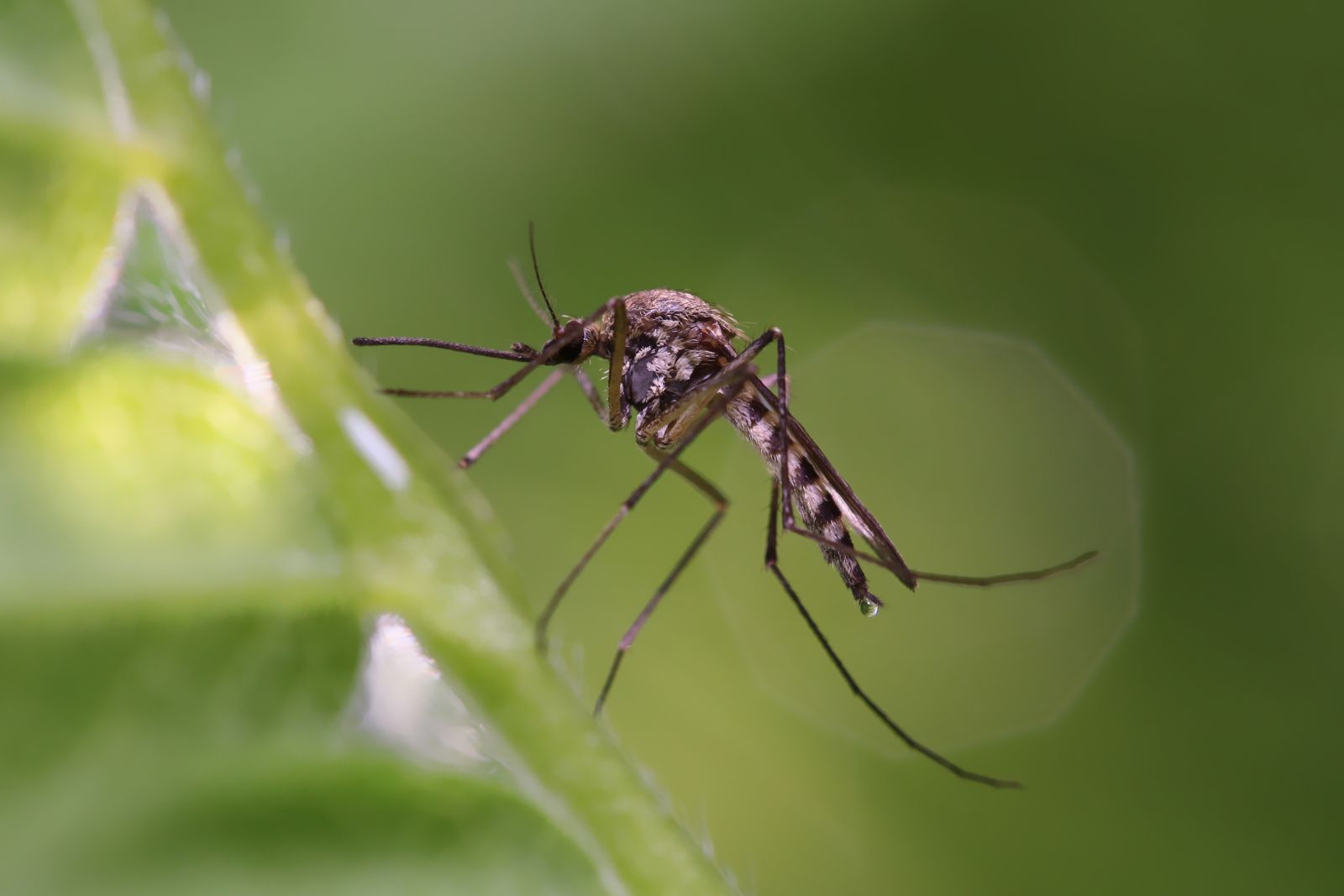
A few weeks ago, the tech giant asked for federal permission to release 32 million mosquitoes into the skies over Florida and California. There’s no punchline here, and that’s not the plot of a B-list 1950s sci-fi movie. This is an actual initiative Google is pumping loads of money into, and it’s probably the most sophisticated example of “bio-hacking” that any organization has ever tried to pull off in America.
More Top Stocks Daily: Go behind Wall Street’s hottest headlines with Barchart’s Active Investor newsletter.
At first glance, this looks like some mad science experiment. It kind of is. But there’s also some next-level corporate social responsibility at play here, and the impacts of this idea could be far-reaching.
Are Mosquitoes Really a Big Deal in the U.S.?
For a lot of us, mosquitoes are just a summer nuisance. They create a bit of background noise during barbecues and a few itchy welts from time to time — but we don’t lose sleep over them. But public health experts definitely do.
In fact, many scientists class mosquitos as the most dangerous creature on the planet. More specifically, they’re stressed about a breed of mosquito called “aedes aegypti.” These guys are high-performance disease carriers, and they’re the primary transmission vehicle for yellow fever, Zika, dengue, and chikungunya.
Traditionally, those are all tropical diseases America hasn’t worried about for the last century or so. But thanks to climate change, states like Florida and California are becoming more and more hospitable to tropical pests like aedes aegypti. That means there’s a constant threat of localized outbreaks, which has created a persistent anxiety for state health officials.
If there’s anything we learned in the Covid-19 pandemic, it’s that neither state nor federal governments are not fully equipped to handle disease outbreaks. That’s where Google’s Debug project comes in.
What’s Google’s Big Buggy Plan?
Google’s Debug program isn’t just a clever name or a quick marketing ploy.
The initiative was actually launched over a decade ago by a company called Verily. Alphabet bought them out a while back, but Verily's mission has remained constant. They want to eliminate the high risk of disease carrying mosquitos using a Sterile Insect Technique (SIT).
After years of research, lots of prep, and presumably a huge amount of funding from Google, they’re finally ready to do it.
The plan is to mass-produce 32 million male mosquitos and inject them with a bacterium called “wolbachia.” Google’s calling these guys “good bugs,” and they certainly sound okay. They don’t bite, survive on flower nectar, and pretty much only focus on finding a mate.
But the fascinating part of the plan is how wolbachia affects native mosquito populations. It’s a harmless passenger. But when a wolbachia-infected male mates with a wild female, the eggs they produce are non-viable and don’t hatch.
So, the idea is that flooding the ecosystem with sterile males means local populations of aedes aegypti should rapidly decline over successive lifecycles — and field tests in Singapore prove this method does actually work.
Why Is Google Doing This?
The cynical question you may be asking yourself is: Why would a for-profit corporation like Google do all of this?
On the one hand, it does feel like the world’s biggest corporate social responsibility exercise.
This is a great opportunity for Google to demonstrate how big data, robotics, and AI can step in and solve tangible, real-world problems that our governments have no clue how to fix. Verily’s robotic insect factories can sort and infect millions of bugs with a surgical precision you could only find in Silicon Valley, and a good deed like this will create a lot of goodwill for Big Tech.
But if you feel like giving Google the benefit of the doubt, there might be a deeper level of altruism at play.
If the Debug project can scale this technology and suppress mosquito-borne disease, it could save the U.S. billions in healthcare spending and lost productivity. That’s good news for everybody (and probably won’t hurt Google’s bottom line, either).
It’s important to remember this is all hypothetical for now. Google has applied for federal permission to get this plan off the ground, and right now it’s sitting with the EPA. They’ll most likely spend quite a while debating the safety data and ecological impacts, and there are plenty of critics who argue Big Tech has no place meddling with the natural world like this.
We’ll just have to wait and see whether officials give Google the greenlight. But for now, Florida and California are the front lines in a strange and futuristic high-stakes experiment.
On the date of publication, Nash Riggins did not have (either directly or indirectly) positions in any of the securities mentioned in this article. All information and data in this article is solely for informational purposes. For more information please view the Barchart Disclosure Policy here.
More news from Barchart
Google Wants to Release 32 Million Mosquitoes in Florida and California in a Bizarre, Futuristic Battle of the Bugs Dear CoreWeave Stock Fans, Mark Your Calendars for June 22 Why This Analyst Says Palantir Stock Is ‘Too Big to Ignore’ Core Scientific Shows Huge, Unusual Put Option Activity - Is CORZ Undervalued?