

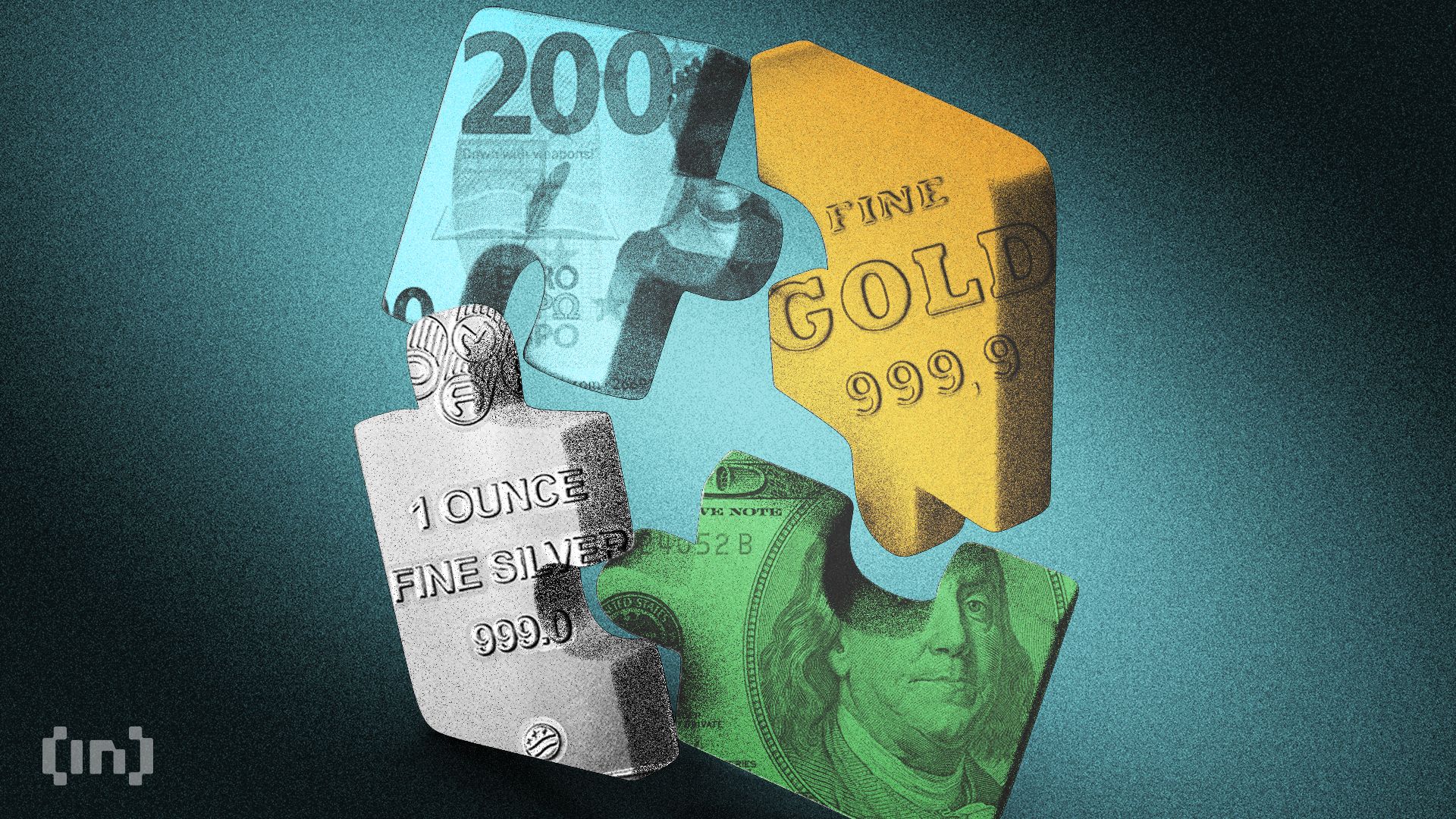
Peter Schiff picked the 55th anniversary of America's break with gold to make a blunt case. The 1971 decision, he argues, is why the dollar is in trouble today.
Schiff is a founding member of Euro Pacific Asset Management. He made the argument on his weekend podcast. Washington defaulted on gold back then, he says, and the world is now leaving the dollar.
Why 1971 Still Shapes the Dollar Debate
President Richard Nixon closed the gold window on August 15, 1971. Foreign governments could no longer swap dollars for metal. The rate had been $35 an ounce.
"I have directed Secretary Connally to suspend temporarily the convertibility of the dollar into gold or other reserve assets... your dollar will be worth just as much tomorrow as it is today," Richard Nixon, in his August 15, 1971 address.
Nixon called the move temporary. It has now lasted 55 years.
The promise about value aged worse. Federal price data shows a 1971 dollar buys roughly 12 cents of goods today. Consumer prices have climbed 718% since that August.
Schiff calls the move a default, not a technical fix. Federal Reserve notes promised gold, he says. Washington simply stopped paying.
Gold tells its own story. The metal closed Monday at $4,418, up 0.94%. That is about 126 times the 1971 price. The dollar looks soft rather than broken. It slipped to a three-month low against peers on Monday.
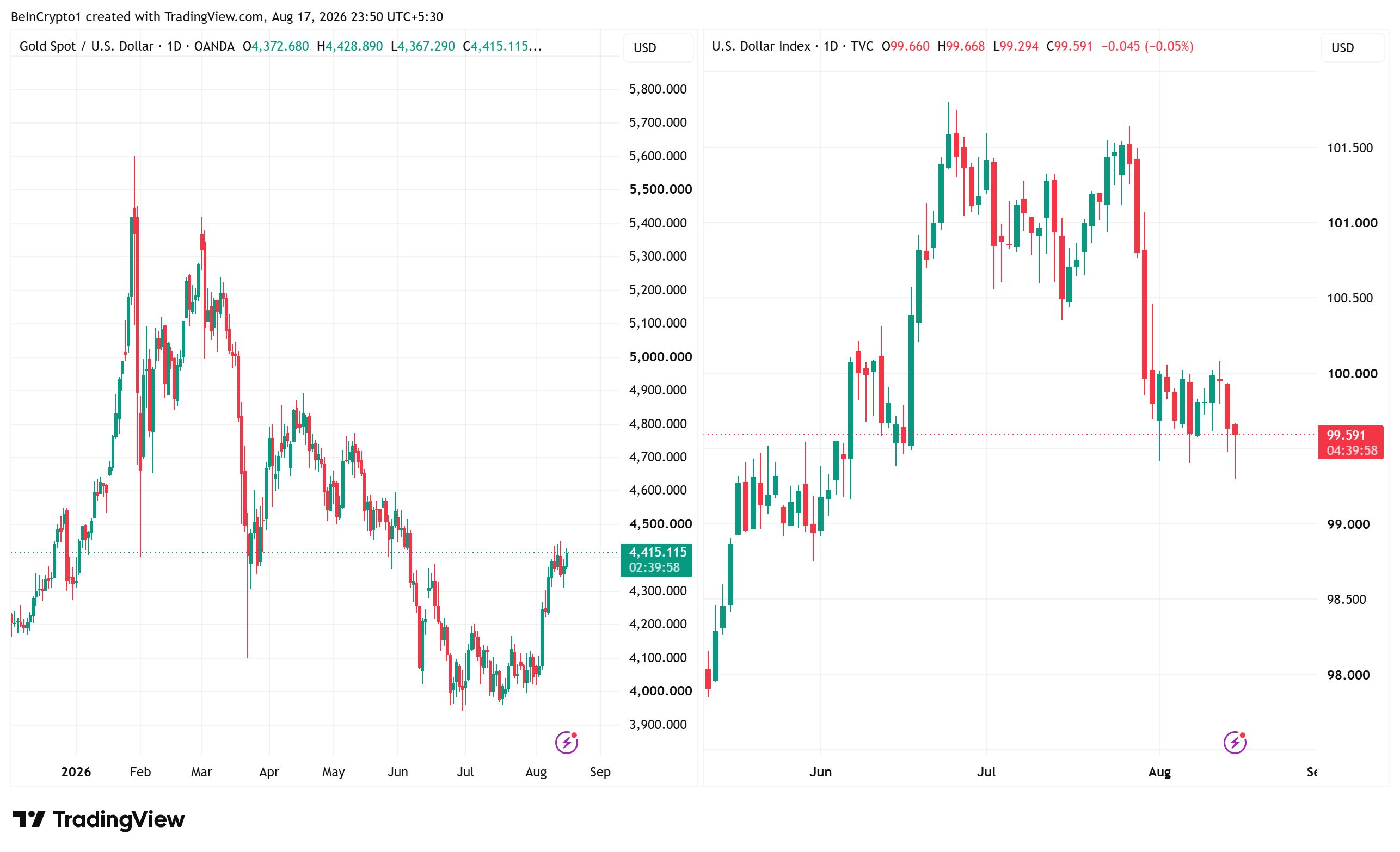 Gold (XAU) Price and Dollar Index (DXY) Performance. Source: TradingView
 "We left gold in 1971. Now the world is leaving the dollar," said Schiff.
Follow us on X to get the latest news as it happens
The Federal Reserve's broad dollar index has lost only 1.8% in a year.
De-Dollarization Becomes the Next Test
Schiff's bigger claim is that 1971 only finished half the job. The dollar lost value through the 1970s. Yet the world kept holding it anyway.
That habit paid for a lot. It let America buy more than it made. It let Washington borrow without a hard limit.
Federal debt reached $39.93 trillion on August 13. Roughly $65 billion now stands between the country and $40 trillion.
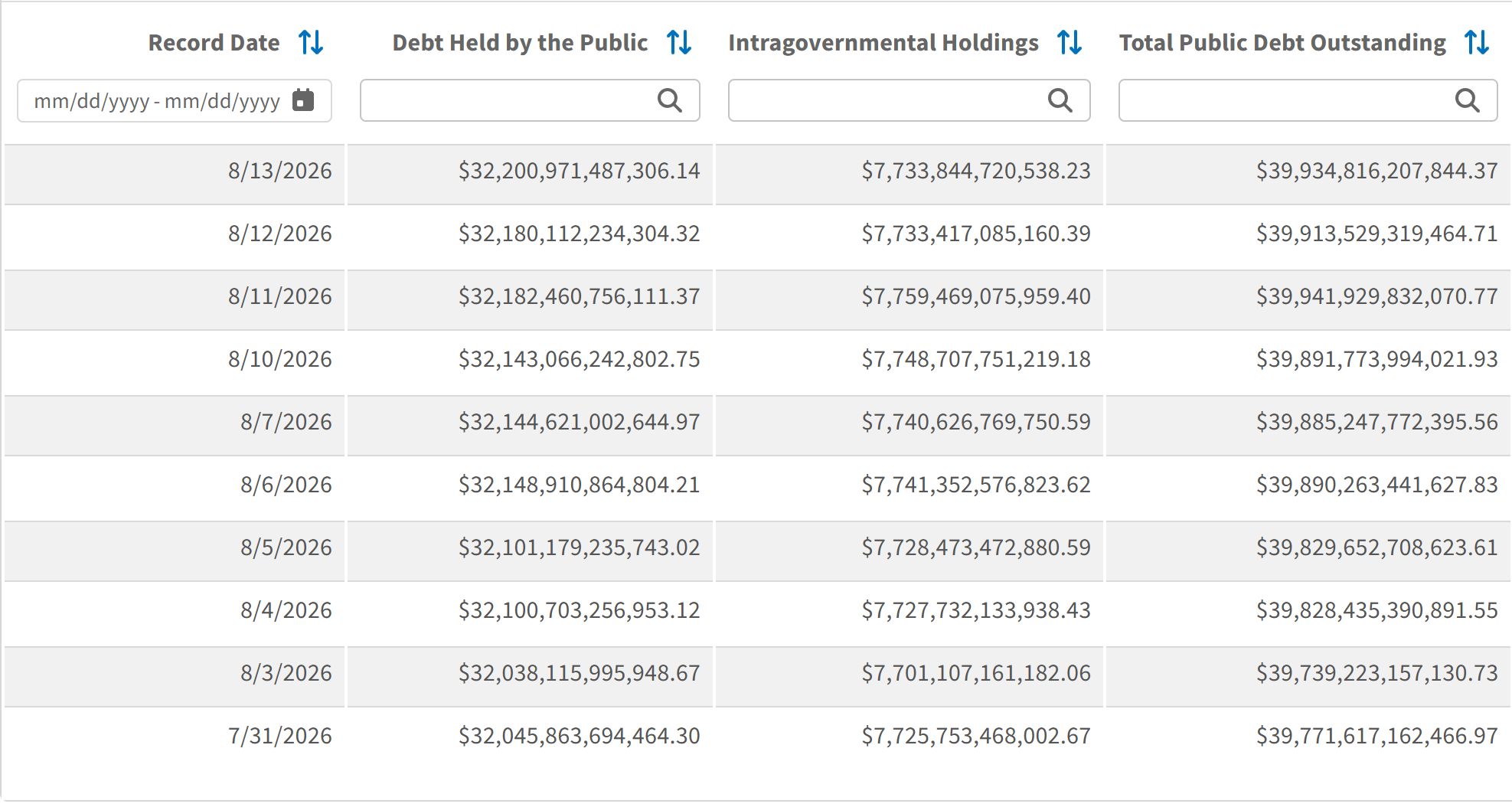 US Federal Debt As of August 13. Source: Fiscaldata.treasury.gov
 "The world is de-dollarizing. The world is going off of the dollar standard. It's a process. It started. It hasn't finished, but I think the economic consequences are going to be profound," Schiff added.
He expects households to feel it first. Imports get pricier once trade deficits close. Living standards fall when a country can only spend what it earns.
BeInCrypto research ran a 55-year currency savings test on that question. Gold worked best as long-term insurance. The dollar still won on liquidity.
The Gold Bid Is Now a Central Bank Question
Schiff's thesis has a testable part. If the world is really leaving the dollar, central banks should show it.
The gold half checks out. Central banks bought 289 tonnes in the second quarter, according to World Gold Council figures. That is 62% more than a year earlier.
According to the World Gold Council, central banks bought a RECORD 289 tonnes of gold in Q2, a FIVEFOLD jump over Q1.
— Steve Hanke (@steve_hanke) August 6, 2026
BUY GOLD, WEAR DIAMONDS. pic.twitter.com/XjxwJjKmfm
The first quarter looked very different. Buying collapsed to 56.5 tonnes. Some governments sold metal to raise cash during the energy crunch.
Veteran strategist Jeff Currie built a framework around that swing. Currie once ran commodities research at Goldman Sachs and now advises Carlyle Group. Gold loses its biggest bid, he argues, when central banks turn into forced sellers. His long-run target is $10,000 an ounce.
Veteran strategist Jeff Currie turns bullish on gold. Here’s why https://t.co/RlFKrtGRHz
— CNBC (@CNBC) August 17, 2026
The dollar half does not check out yet. The greenback's share of world reserves rose to 57.13% in the first quarter, IMF figures show. It sat at 56.42% three months earlier.
The euro holds 20.03% of reserves. China's renminbi holds under 2%. Earlier BeInCrypto analysis of dollar reserve share data found currency swings, not selling, drove most of a previous decline.
Bitcoin has not stepped into the gap either. Bitcoin price near $63,517 leaves it roughly flat over the past month. Gold climbed while it stalled.
So central banks are buying gold hard. They are not dropping dollars yet. Schiff's 55-year argument now rests on whether those two lines finally cross.
Read the Original story Peter Schiff Links 1971 Gold Decision to Today’s Dollar Crisis: Will XAU Hit $5,000? by Lockridge Okoth at beincrypto.com