


August and September have a notorious reputation in markets.
This year, investors also have the midterm elections, a Federal Reserve decision, inflation uncertainty, and some of the most expensive expectations I have seen attached to AI spending. That does not mean the market must fall.
More Top Stocks Daily: Go behind Wall Street’s hottest headlines with Barchart’s Active Investor newsletter.
Seasonality is useful context, but it is a poor investment thesis. In five of the past 10 midterm years, the S&P 500 declined between May and October. The average loss was only around 1.5%, so there was little reason to empty a portfolio because the calendar changed.
I am not trying to predict the exact day volatility arrives. I am more interested in what it may leave behind. Most investors say they want lower prices. What they really want is lower prices without the news, fear, and uncertainty that cause them. Markets usually offer no insurance or refunds.
The Market Does Not Need to Crash
The S&P 500 does not have to fall 20% to create opportunities. The indexes can remain calm while individual stocks move violently underneath them. That is already happening. Stock-level volatility has risen even while the major volatility indexes have remained relatively subdued. Recent earnings reactions have shown how quickly investors can punish a company when they miss expectations, particularly in areas tied to AI spending.
That matters because the current earnings bar is high. Analysts expect second-quarter S&P 500 profits to rise by roughly 24% to 26%, with technology providing much of the growth. (MSFT), (AMZN), (META), and (AAPL) are reporting into a market that no longer wants to hear only how large the AI opportunity may become. Investors want to see what the spending is producing. A company can report a good quarter and still lose 15% because the market was positioned for a perfect one. That is where the work begins. I am not looking to buy every stock that falls. I am looking for cases where the price changes far more than the business. There is a big difference.
A Real Problem Can Still Become an Opportunity
(NKE) is a useful example. In April, I wrote that Nike’s real problem was not sales. It was relevance. The numbers still reflected inventory, margins, and distribution, but customer behavior had already started moving elsewhere.
That problem was real. A few months later, after the stock had fallen far enough, I wrote that I was buying. The market had moved from underestimating the relevance problem to treating it as permanent. Nike still needed to address the business, but the price had begun to reflect a far worse outcome than I expected.
Those two views were not contradictory. A company can have a genuine problem and still become a worthwhile investment. The question is whether the problem can be fixed, whether the balance sheet provides management time, and whether the price assumes that conditions will remain poor.
(SPCX) showed the opposite. Before the IPO, I wrote that the extraordinary demand might be the warning. Investors were chasing access to a remarkable company without spending enough time on the price they were agreeing to pay. The shares later returned to the IPO price and then fell below it. That still did not automatically make them cheap. The valuation remained demanding, AI spending was difficult to assess, and a large ownership unlock remained ahead. A falling stock tells you where it has been; it does not tell you what it is worth. That is the distinction investors will need if August or September becomes difficult.
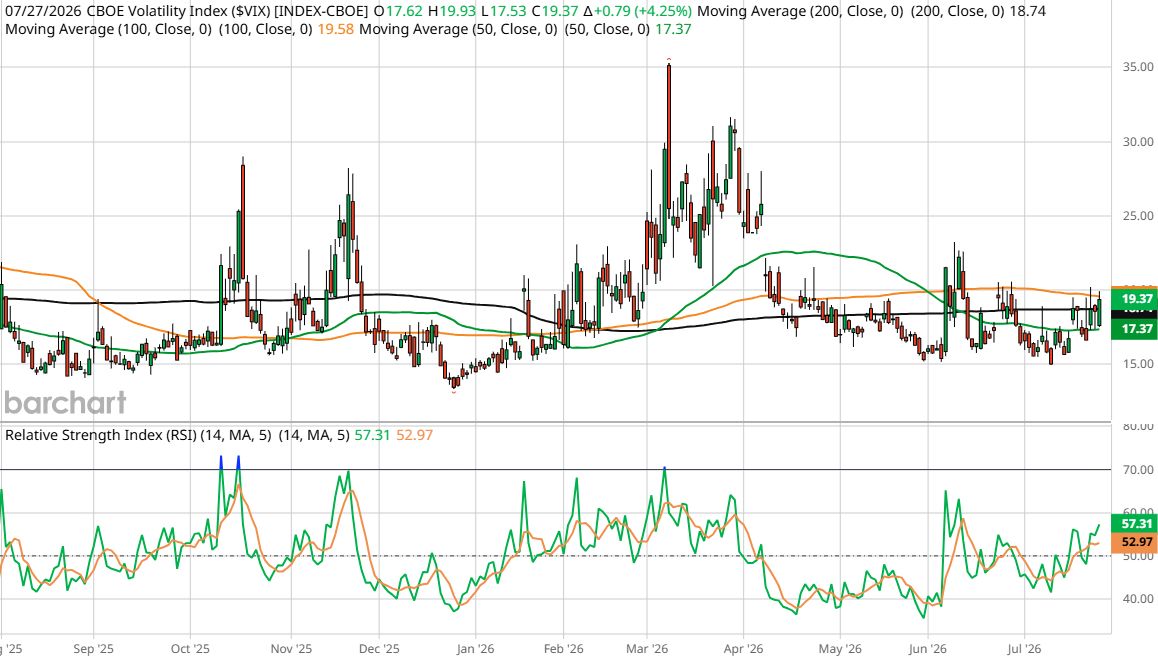
Buy the Cause of the Dislocation
The most useful question during a selloff is not, “How far is this stock down?” It is, “Why does this price exist? Occasionally, the answer is that the business has deteriorated and the market is correctly adjusting. Cash flow is weakening. Debt is becoming harder to refinance. Customers are leaving. The catalyst has disappeared. I would rather not buy that simply because the chart looks ugly. The better situations usually have a reason for the selling that is separate from the long-term value of the business.
A spinoff may be sold because existing shareholders never wanted the new company. An index deletion may force funds to sell regardless of valuation. Employees may sell after a lockup because they need liquidity. A company can miss one quarter because of timing while the larger strategic change remains intact. In these situations, the seller may not be making a judgment about fair value. They may simply need to get out.
That is the type of pressure I have spent much of my career looking for. Forced selling can create the price, but it is not enough on its own. I also want a business that can survive the uncertainty and bring buyers back.
In Price Catalysts, I argue that value without a trigger can remain dead money. Volatility may create the valuation gap. The catalyst is what allows the gap to close. That catalyst could be an earnings report, an asset sale, a refinancing, a corporate separation, or the end of forced selling. It needs to be visible enough that I can explain what might change expectations and roughly when. Otherwise, I am just buying something because it is cheaper.
Decide What You Want Before It Falls
The worst time to build a shopping list is during the panic.
By then, the headlines have changed, estimates are being cut and every falling company appears to have developed a fatal flaw overnight. I prefer to make those decisions beforehand. Which businesses have balance sheets strong enough to absorb a difficult quarter? Which management teams have already begun to address the issue? Which corporate events remain on schedule? At what price would the risk finally be worth taking?
I also decide what would prove me wrong. If a company falls because investors have overreacted to a temporary issue, I may begin buying. If it falls because the balance sheet is deteriorating or the catalyst has disappeared, I leave it alone. I do not need the exact bottom. I would rather buy a small position when the valuation becomes compelling, add when the thesis starts to confirm, and become more aggressive when the forced selling appears to be ending.
That approach means the first purchase may go lower. I can live with that. Trying to buy the exact bottom usually results in buying nothing. The coming weeks may not produce a broad market correction. The S&P 500 could move sideways while individual companies continue to suffer from their private bear markets. That may be enough.
I will be watching recent spinoffs, companies approaching refinancing or asset-sale catalysts, and strong businesses that disappoint investors who had priced in perfection. I will also watch the AI winners. The best entry may come when a good company reports good numbers and the stock falls because the expectations were simply too high. I would rather not buy weakness for its own sake. I want to understand what forced the price there, what remains intact, and what could make the market reconsider. If late-summer volatility arrives, that is where the opportunity will be. Not in predicting the dislocation. The opportunity lies in being ready when it appears.
On the date of publication, Jim Osman did not have (either directly or indirectly) positions in any of the securities mentioned in this article. All information and data in this article is solely for informational purposes. For more information please view the Barchart Disclosure Policy here.
More news from Barchart
Midterm-Year Volatility Is Coming. Prepare to Buy the Dislocation. RIVN Stock Pops as Rivian Raises Delivery Guidance for 2026 NVO Stock Plummets as Novo Nordisk Heart Drug Fails Late-Stage Trial JMKE Stock Scores 'Buy' Rating Following the Jersey Mike's IPO