

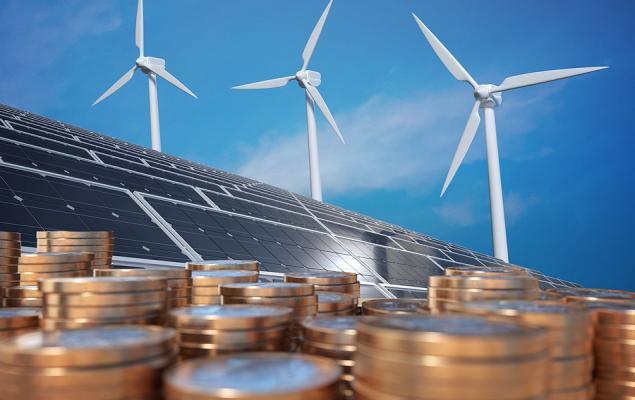
The global energy landscape has reached a historic pivot point recently. According to the International Energy Agency’s (IEA) latest Global Energy Review report, an increase in worldwide low-emissions power generation, led by the relentless expansion of renewables and nuclear power, outpaced total electricity supply growth in 2025.
This development makes the clean-energy sector a clearer beneficiary of rising electricity demand driven by the rapid adoption of artificial intelligence (AI) infrastructure, along with the accelerating electrification of industries across the economy.
With clean energy now positioned as the dominant growth engine of the global power grid, increasingly displacing fossil fuels, the equity market’s spotlight is naturally shifting toward renewable-energy stocks and, by extension, the exchange-traded funds (ETFs) that hold them, offering investors an efficient way to capture this long-term structural momentum.
Before diving into the fundamentals of these ETFs, investors should first examine the mechanics behind the renewable-energy transition and determine whether it represents a one-time shift or a durable long-term trend. This assessment can help investors seeking to capitalize on a decarbonizing world make a more informed investment choice.
Clean Power’s Record-Breaking Run
According to IEA’s 2026 Global Energy Review report, global renewable generation increased around 8.5% year over year in 2025. In contrast, generation from fossil fuels declined, with global coal-fired generation falling around 0.5%. As a result, and in line with previous IEA forecasts, global renewable generation virtually matched coal-fired generation in 2025.
Annual renewable capacity additions increased 16% globally and reached 800 gigawatts (GW) last year, marking the 23rd consecutive year in which renewables set new expansion records.
In particular, growth in solar photovoltaic (PV) met more than one-quarter of the global growth in primary energy demand. This marked the first time on record that a modern renewable energy source accounted for the largest share of global energy demand growth.
Factors such as declining renewable-energy installation costs and supportive policy measures from European and Chinese governments, which unlocked hundreds of billions of dollars in investment, were among the primary catalysts behind this record-breaking growth in renewable energy generation. Impressively, solar and onshore wind are now the cheapest sources of new electricity generation across most of the world.
The 2022-2023 fossil fuel price crisis forced many countries to prioritize domestic renewable generation over imported gas and coal over the past few years.
Will Renewables Keep Up the Momentum?
Looking ahead, IEA expects global renewable electricity generation to increase roughly 1,050 terawatt-hours (TWh) annually, with solar PV projected to contribute more than 600 TWh on average. In particular, low-emissions energy sources, such as renewables, led by solar, along with nuclear, are expected to increase their share of global electricity generation to 50% by 2030, up from 42% in 2025.
In contrast, coal use in the power sector is expected to shift to a declining trajectory, with its share of the electricity mix falling to 27% by 2030, from 34% in 2025.
For renewable energy companies – from solar panel manufacturers and wind turbine producers to battery storage and grid software firms – this trend points to a multi-year runway for contracted revenue growth, supported by persistent tailwinds, such as accelerating electrification across data centers, electric vehicles (EVs), and heat pumps; continued cost declines in solar PV and wind; and rising investment in grid-scale storage and grid upgrades needed to accommodate variable power generation.
Green ETFs to Watch
Against the current backdrop, investing in individual renewable stocks may appear attractive, but it also carries single-stock risks, including uncertainties related to project delays or cancellations and sudden regulatory changes.
In contrast, clean energy ETFs, often termed as green ETFs, offer diversified exposure across the entire clean energy ecosystem (equipment makers, project developers, utilities, storage and grid tech), reducing idiosyncratic risk associated with investing in a single stock within a rapidly evolving industry.
Thus, to capitalize on the booming clean energy industry, investors may keep a close eye on the following funds:
iShares Global Clean Energy ETF ICLN
This fund, with net assets worth $2.78 billion, offers exposure to 106 companies that produce energy from solar, wind, and other renewable sources. Its top three holdings include: Bloom Energy BE (with 13.14% weightage), First Solar FSLR (7.89%) and Nextpower (7.37%).
ICLN has soared 66.9% over the past year. The fund charges 39 basis points (bps) as fees. It traded at a volume of 8.20 million shares in the last trading session.
First Trust NASDAQ Clean Edge Green Energy ETF QCLN
This fund, with net assets worth $785 million, offers exposure to 52 companies engaged in manufacturing, development, distribution & installation of emerging clean-energy technologies, including, but not limited to, solar PVs, biofuels and advanced batteries. Its top three holdings include: BE (11.32%), On Semiconductor (10.01%) and Monolithic Power Systems (9.02%).
QCLN has surged 87.9% over the past year. The fund charges 59 bps as fees. It traded at a volume of 0.33 million shares in the last trading session.
ALPS Clean Energy ETF ACES
This fund, with net assets worth $125.7 million, offers exposure to a diverse set of U.S. and Canadian companies involved in the clean energy sector, including renewables and clean technology. Its top three holdings include: Plug Power (6.08%), Albemarle Corp. (5.45%) and Nextpower (5.31%).
ACES has rallied 43.3% over the past year. The fund charges 55 bps as fees. It traded at a volume of 0.03 million shares in the last trading session.
Invesco Solar ETF TAN
This fund, with a market value worth $1.8 billion, offers exposure to 32 companies in the solar energy industry. Its top three holdings include: FSLR (10.48%), Nextpower (9.30%) and Enlight Renewable Energy (7.80%).
TAN has surged 77.6% over the past year. The fund charges 70 bps as fees. It traded at a volume of 1.12 million shares in the last trading session.
Boost Your Portfolio with Our Top ETF Insights
Zacks' exclusive Fund Newsletter delivers actionable information, top news and analysis, as well as top-performing ETFs, straight to your inbox every week.
Don’t miss out on this valuable resource. It’s free!
Get it now >>Want the latest recommendations from Zacks Investment Research? Today, you can download 7 Best Stocks for the Next 30 Days. Click to get this free report
First Solar, Inc. (FSLR): Free Stock Analysis Report
Invesco Solar ETF (TAN): ETF Research Reports
iShares Global Clean Energy ETF (ICLN): ETF Research Reports
First Trust NASDAQ Clean Edge Green Energy ETF (QCLN): ETF Research Reports
Bloom Energy Corporation (BE): Free Stock Analysis Report
ALPS Clean Energy ETF (ACES): ETF Research Reports
This article originally published on Zacks Investment Research (zacks.com).