Aperçu

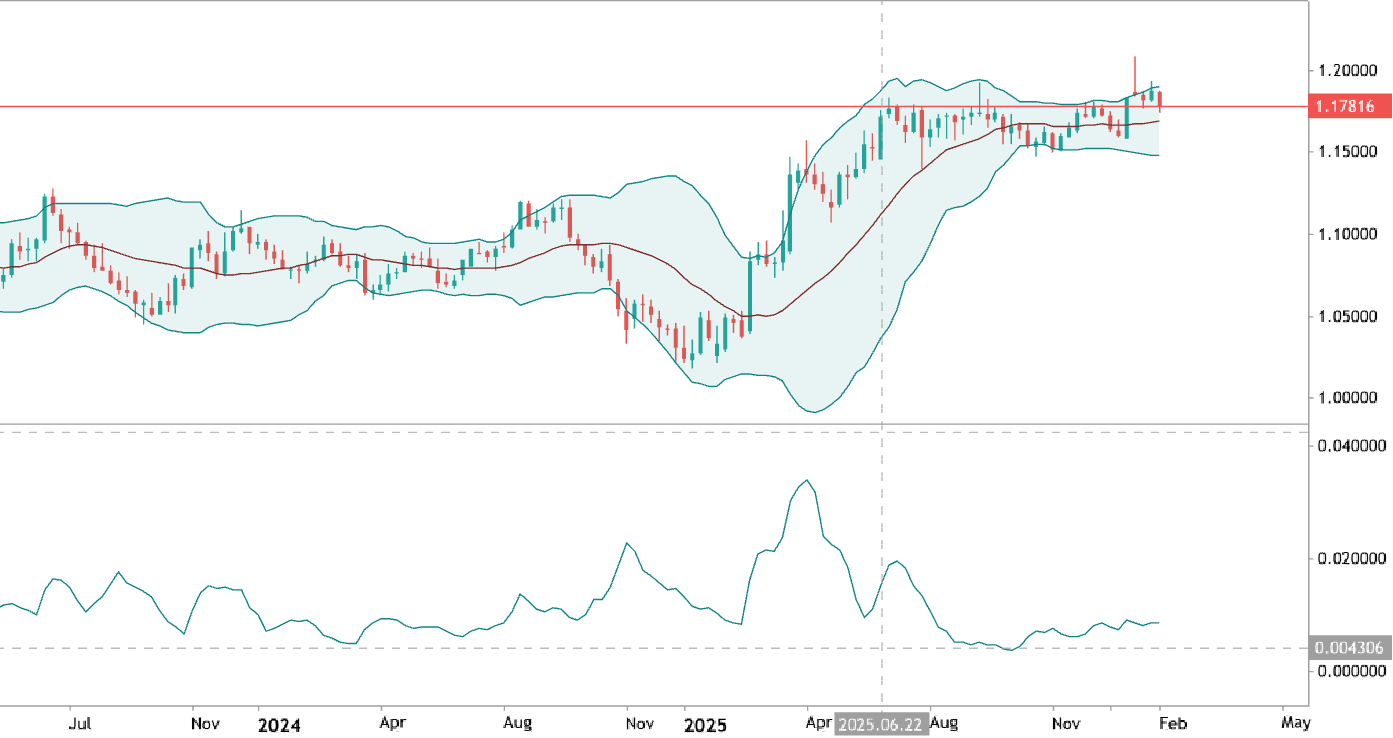
Standard Deviation - traditional general approach EURUSD
Standard Deviation - traditional general approach
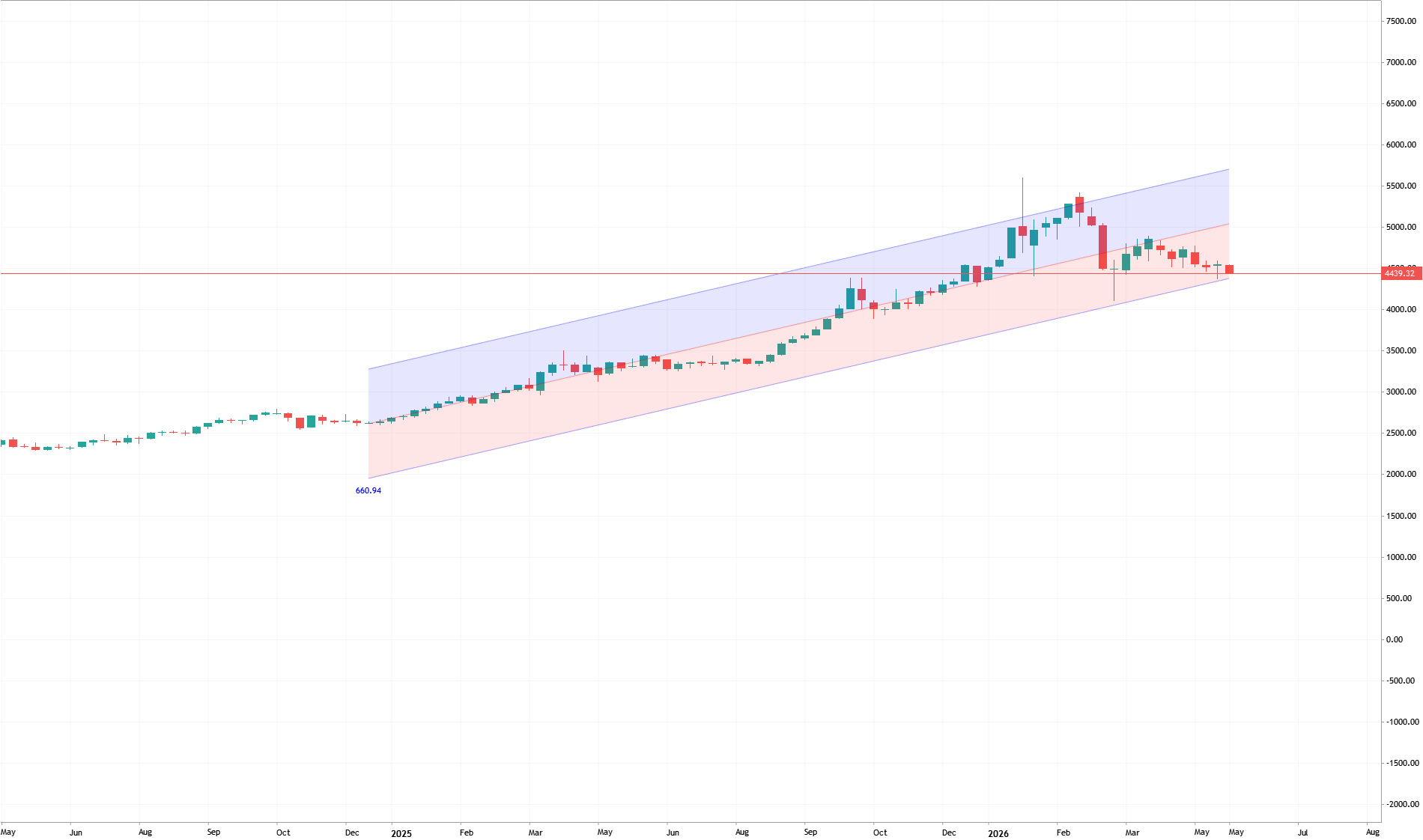
Standard deviation is frequently used to measure the volatility: higher standard deviation indicates greater variability, and lower standard deviation is related the less variability. "Standard deviation is a key tool for traders to quantify the uncertainty and risk in the market. It allows us to better understand the potential variability of returns and make informed decisions to manage our portfolios effectively." – John Bollinger. We can use standard deviation to place stop loss and take profit levels: a wider stop loss with the high standard deviation for example. 0
newdigital Sergey Golubev 2026.02.22 08:34
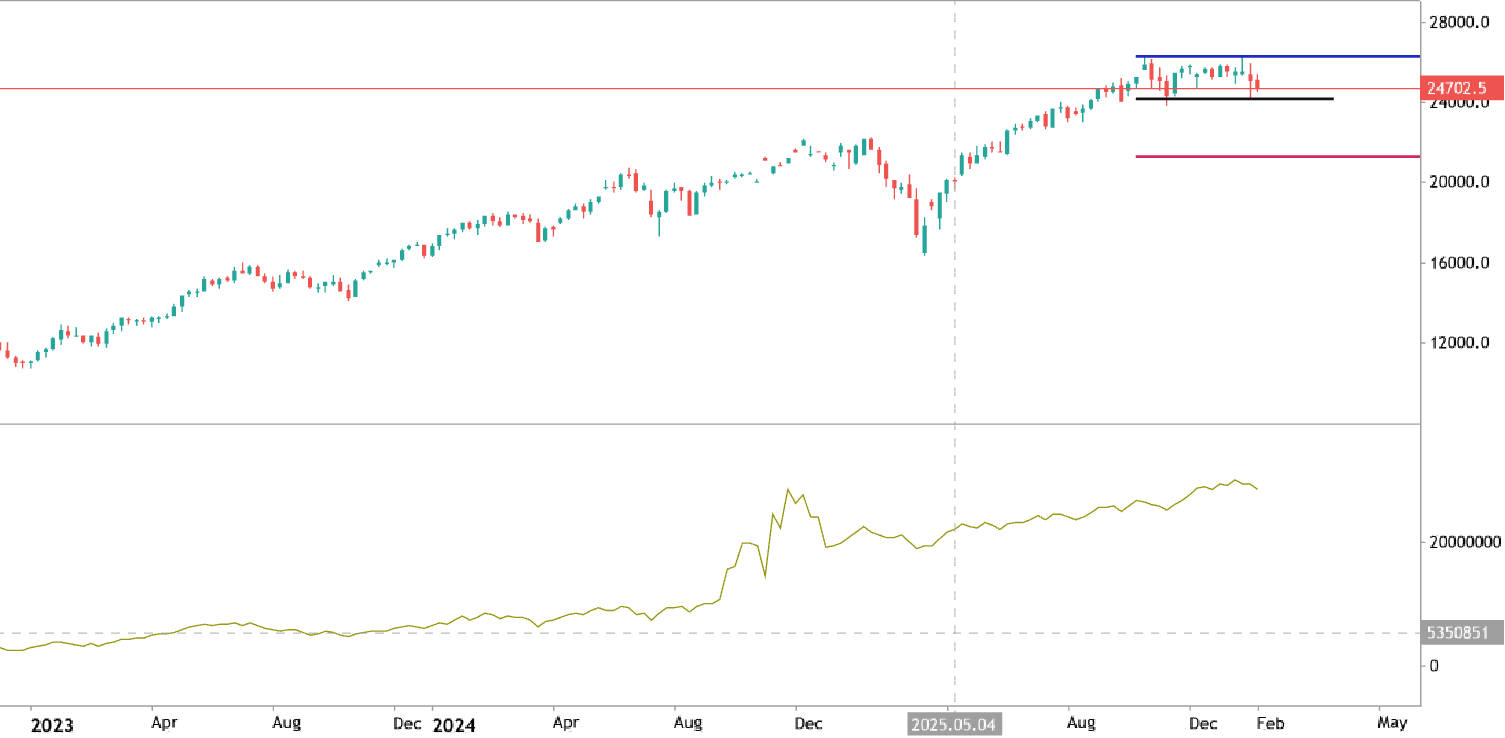
Accumulation/Distribution - traditional general approach
100
USTECH100M
Accumulation/Distribution - traditional general approach
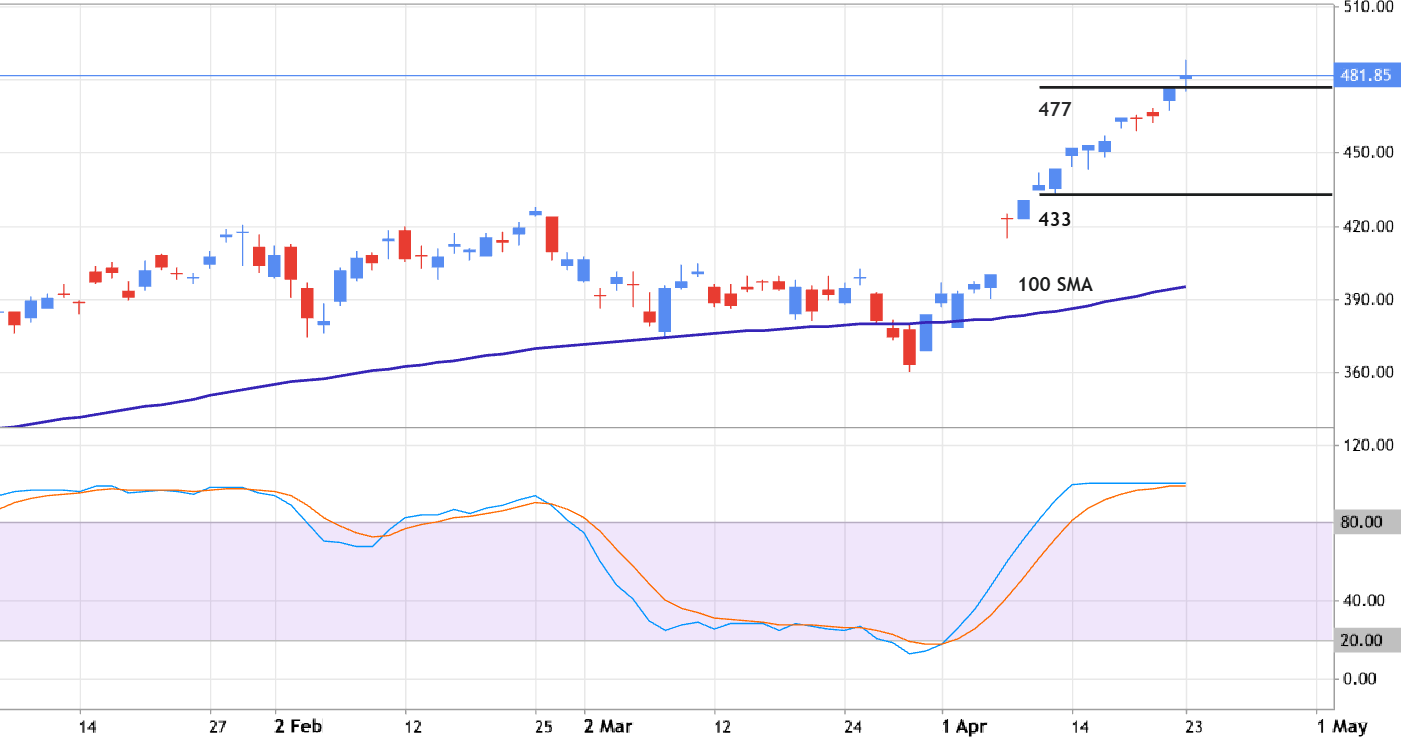
Accumulation Distribution uses volume to confirm price trends or warn of weak movements that could result in a price reversal. - Accumulation: Volume is considered to be accumulated when the day's close is higher than the previous day's closing price. Thus the term "accumulation day". - Distribution: Volume is distributed when the day's close is lower than the previous day's closing price. Many traders use the term "distribution day." The main use of the Accumulation Distribution Line is to detect divergences between the price movement and volume movement. Besides, Accumulation Distribution Line is a very effective tool to confirm price action and show warnings of potential price reversals. 0
newdigital Sergey Golubev 2026.02.14 07:53
Bulls Power - traditional general approach AUDUSD
Bulls Power - traditional general approach
<p>Bulls Power is used to estimate power of the Bulls (Buyers). Bulls Power estimates the balance of power between the bulls and bears. This indicator aims at identifying if a bullish trend will continue or if the price has reached a point where it might reverse. A buy signal is generated when the Bulls Power oscillator moves above Zero. In an up trend, the HIGH is higher than EMA, so the Bulls Power is above zero and Histogram/Oscillator is located above zero line. Exit Signal: if the HIGH falls under EMA then it means that price are starting to fall, the Bulls Power histogram fall below the zero line.</p> 0
newdigital Sergey Golubev 2026.02.01 06:17
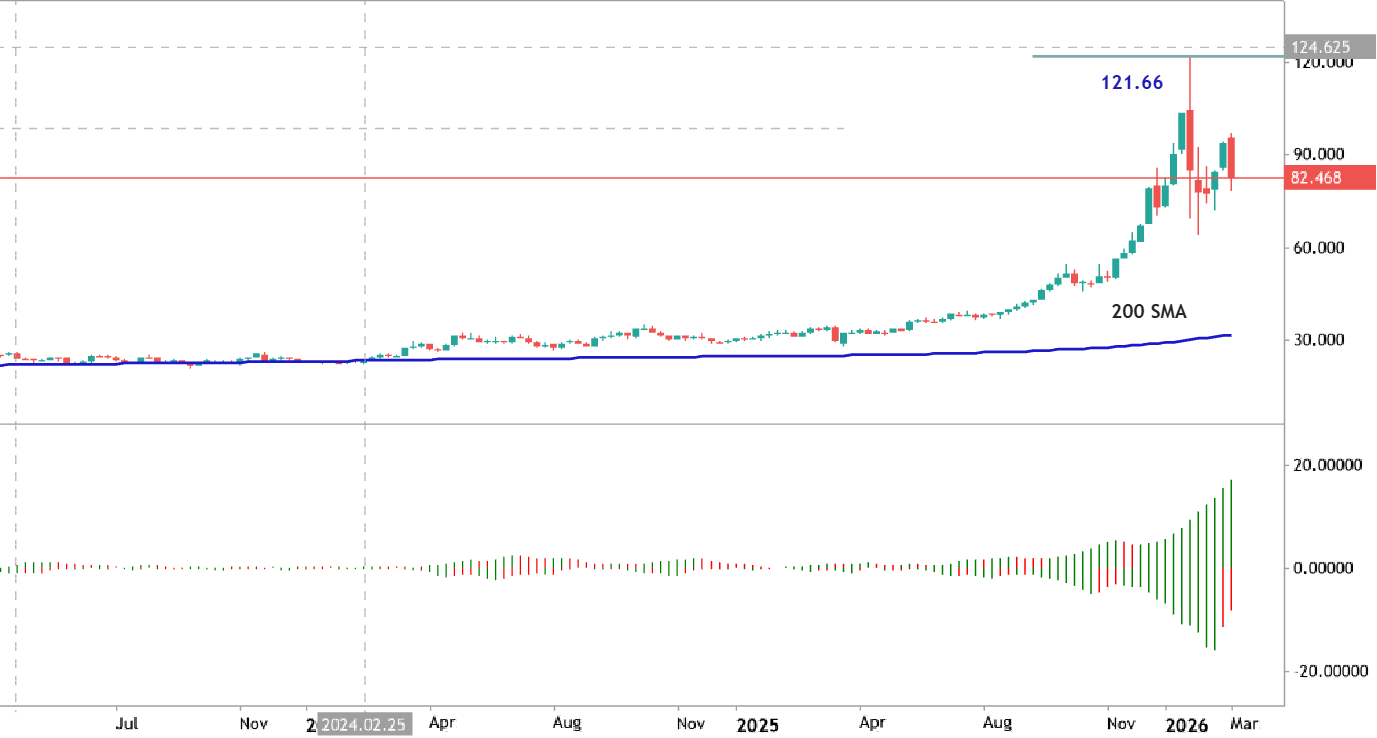
Bears Power - traditional general approach BTCUSD
Bears Power - traditional general approach
Bears Power is used to estimate power of the Bears (Sellers). Bears Power estimates the balance of power between the bulls and bears. This indicator aims at identifying if a bearish trend will continue or if the price has reached a point where it might reverse. A sell signal is generated when the oscillator moves below Zero. In a down trend, the LOW is lower than EMA, so the Indicator is below zero and Histogram/Oscillator is located below zero line. Exit Signal: if the LOW moves above the EMA then it means that price are starting to rise, the Indicator histogram rises above the zero line. 0
newdigital Sergey Golubev 2026.02.01 06:03
Accelerator oscillator - traditional general approach PHO
Accelerator oscillator - traditional general approach
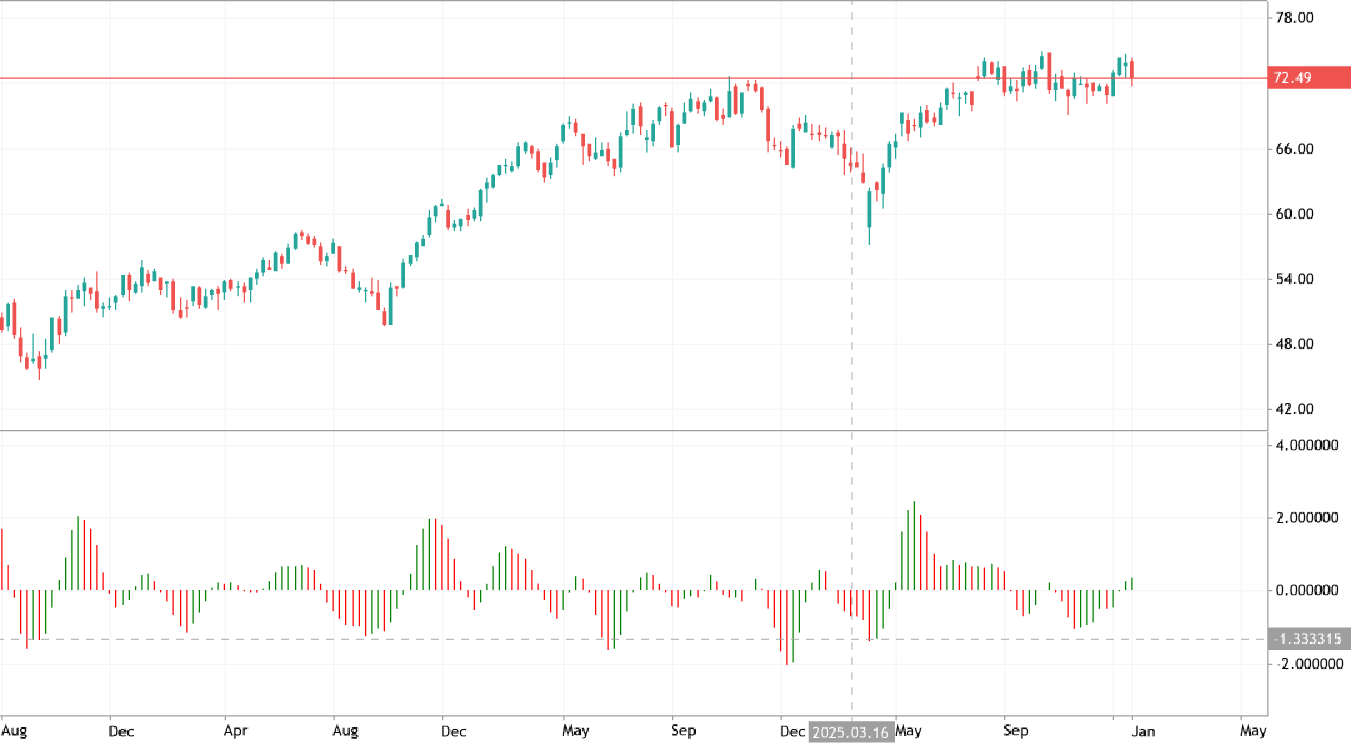
The Accelerator Oscillator measures the difference between the Awesome Oscillator and the 5-period moving average. The indicator reflects the rate at which the Awesome Oscillator changes to be detected the trend reversals. If the Accelerator Oscillator moves above the zero line so it is considered for the signal to be in upward acceleration to be continuing. Alternatively, if it moves below the zero line so the downward acceleration will continue. Besides, the potential price surge is confirmed by two consecutive green bars with the above the centre line. A potential price decline is confirmed by two consecutive red bars which is below the centre line. 0
newdigital Sergey Golubev 2026.01.31 09:43
Bollinger Bands - traditional general approach EXC
Bollinger Bands - traditional general approach
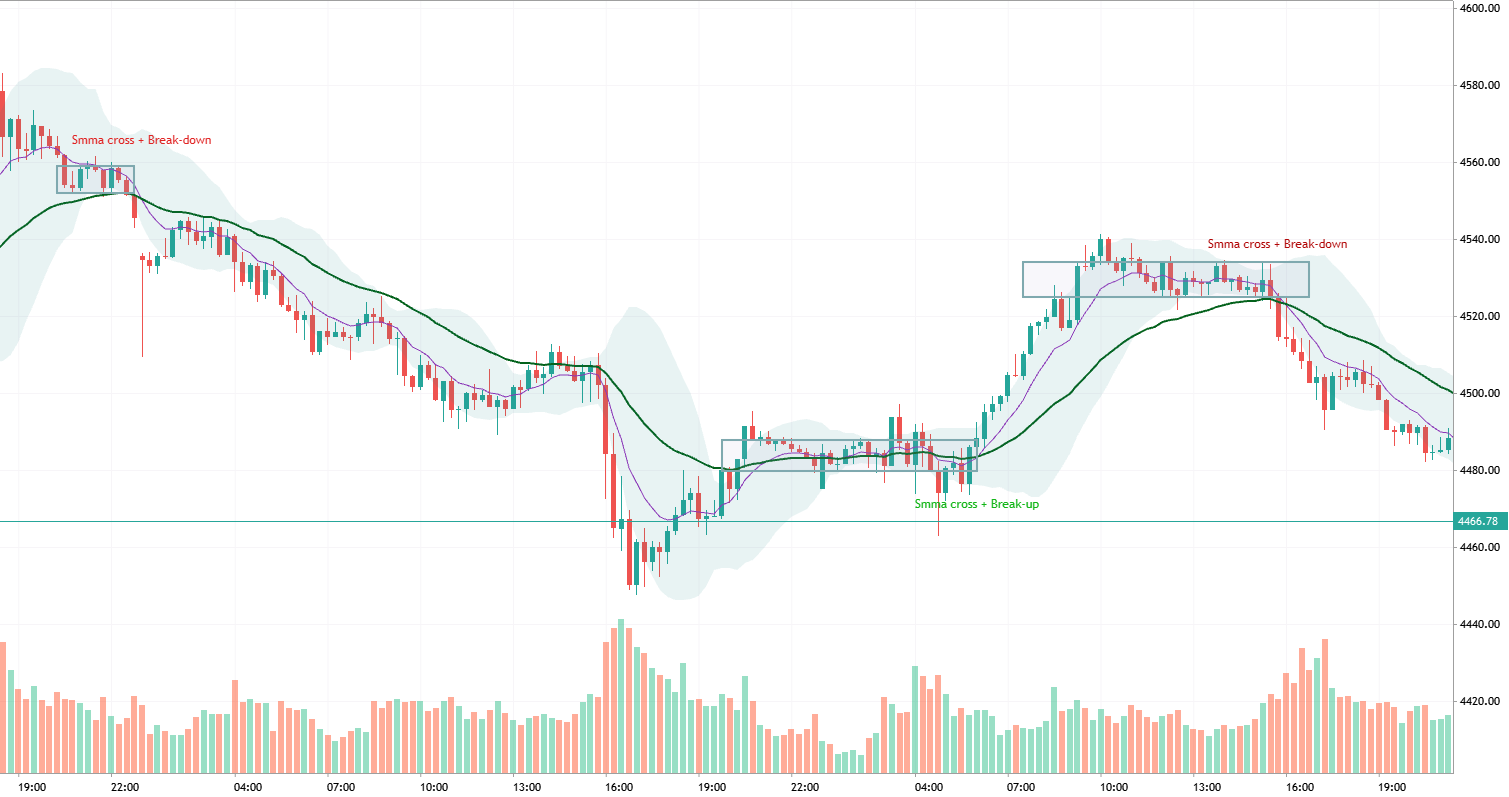
Bollinger bands are very similar to moving averages. The bands are plotted at two standard deviations above or below the moving average. This is typically based off of the simple moving average, but an exponential moving average can be used to increase the sensitivity of the indicator. A 20-day simple moving average is recommended for the center band and 2 standard deviations for the outer bands. Bollinger bands are typically used by traders to detect extreme unsustainable price moves, capture changes in trend, identify support/resistance levels and spot contractions/expansions in volatility. There are a number of ways to interpret Bollinger Bands: when the prices break above or below the upper or lower band, it is an indication that a breakout/breakdown is occurring. Alternatively, some traders use Bollinger Bands as an overbought and oversold indicator. 0
newdigital Sergey Golubev 2026.01.31 09:19
Average True Range - traditional general approach
500
US500
Average True Range - traditional general approach
The Average True Range (ATR) indicator is a measure of volatility. The ATR indicator measures the range of price movement for a particular price period. The ATR is a directionless indicator and it does not indicate the direction of the trend. ATR measures volatility, and this allows traders to set stops based actual market behavior. Low ATR values indicated extended periods of sideways price movement, such as those found at market tops and consolidation periods. Low ATR values are typical for the periods of sideways movement of long duration which happen at the top of the market and during consolidation. High ATR values indicated market bottoms after a sell off. Besides, the higher the value of the ATR indicator, the higher the probability of a trend change, and the lower the indicator’s value, the weaker the trend movement. 0
newdigital Sergey Golubev 2026.01.24 15:03
Envelopes - traditional general approach NZDUSD
Envelopes - traditional general approach
Envelopes indicator consists of a moving average plus and minus a certain defined percentage deviation. The Envelopes indicator serves as an indicator of overbought or oversold conditions, visual representations of price trend, and the indicator of the detection of the price breakouts. Buy when price penetrates (or bounced to above) the lower envelope and closes back inside the envelope. Sell when the price penetrates (or bounced to below) the upper envelope and then closes back down inside the envelope. 0
newdigital Sergey Golubev 2026.01.15 17:19
Parabolic SAR - traditional general approach
40
FRA40
Parabolic SAR - traditional general approach
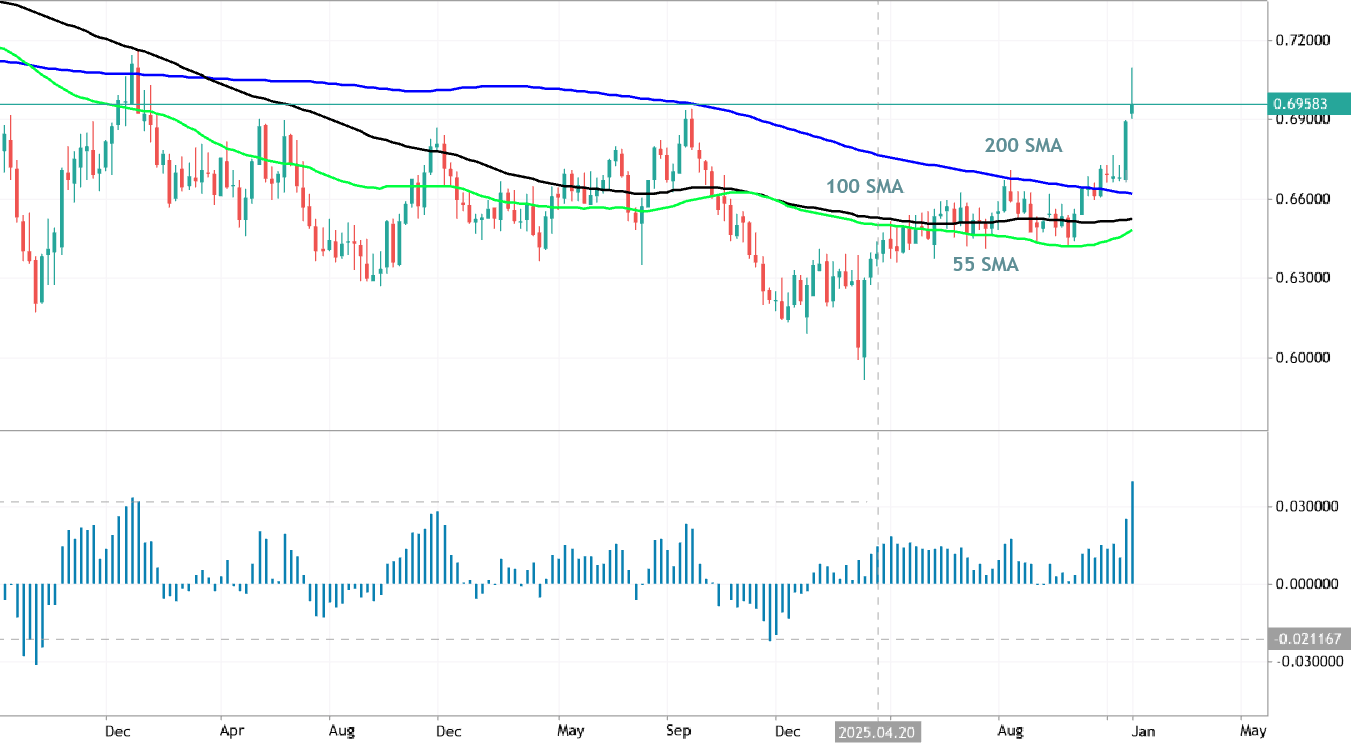
<p>Parabolic SAR is something as "stop and reversal system", and it is shown as the series of dots placed either above or below the price on a chart. If the dot is located below the price so it means the bullish trend, and if dot is above the price so it is the bearish trend in that moment. So, this indicator is providing some kind of direction of the trend, and, besides, it allows us to set stop loss and to define the reversal of the price movement. Many traders are using this indicator together with SMA indicators for example: 55 SMA in intra-day basis, 100 SMA and 200 SMA.</p> 0
newdigital Sergey Golubev 2026.01.15 17:11
Ichimoku Cloud: identify the trend, helps you to place stops and recognize when should be bullish or bearish (and why) GBPJPY
Ichimoku Cloud: identify the trend, helps you to place stops and recognize when should be bullish or bearish (and why)
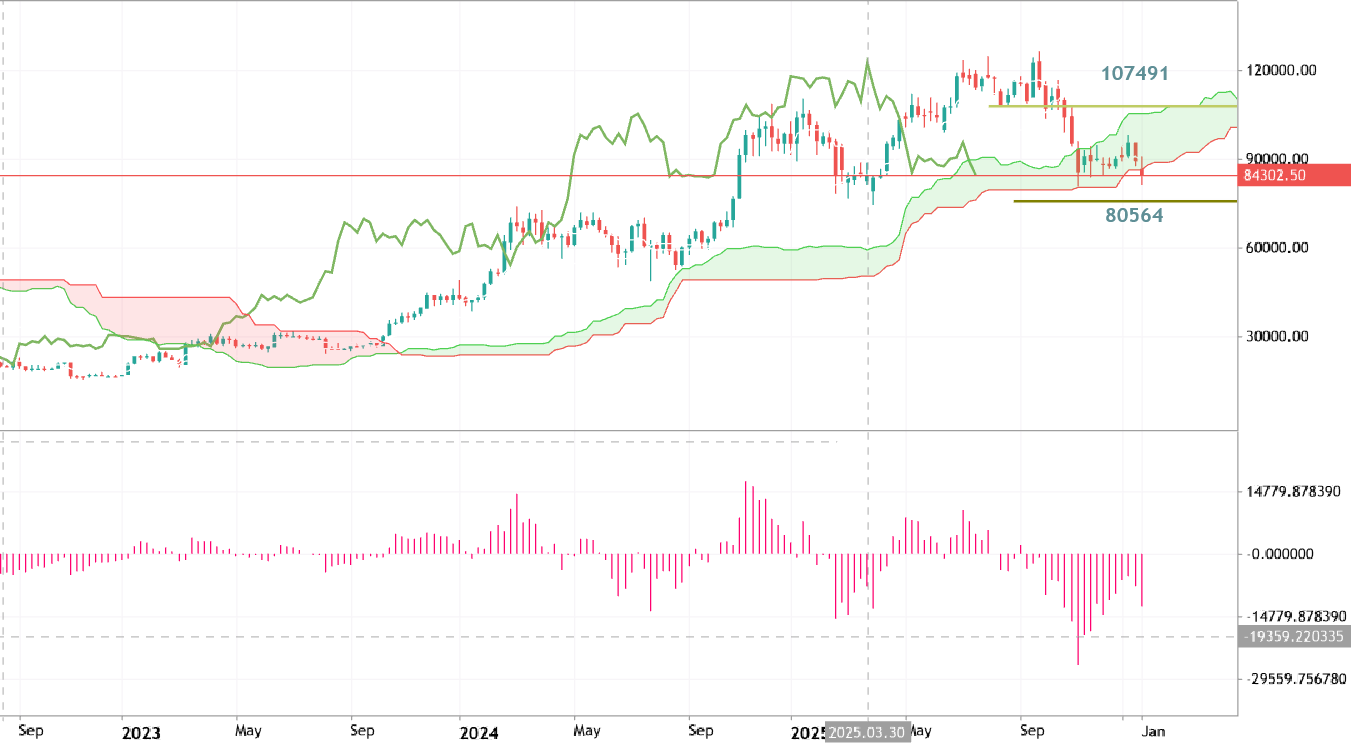
Ichimoku is the indicator which is also well-known trading system by itself.. The creator of the indicator (Goichi Hosada) introduced Ichimoku in the beginnig as the indicator which is having the ability to determine whether a tradable trend is present or we should wait for for direction. And the one of the main component of Ichimoku indicator is the Cloud. To make it shorter - the traders should always look at the price (as the main indicator in this case) to be above/below or inside the cloud to understand the market condition in general: if the price is above the cloud so it is for primary bullish market condition, if the price is below the cloude - it means that the price is located in the primary bearish area of the chart, and if the price is inside the cloud so it is for the secondary ranging condition waiting for the direction. 0
newdigital Sergey Golubev 2026.01.13 10:13
How to estimate the valid condition for buy position just plotting two SMA indicators to the chart USDJPY
How to estimate the valid condition for buy position just plotting two SMA indicators to the chart
When plotting two SMA indicators to the chart (SMA with the period of 100 and SMA with 200) so we can look at the price - about the location of the price cmpare with 100 SMA/200 SMA. If 100 SMA is located above 200 SMA and the price is above 200 SMA so it means that the price is located in the primary bullish area of the chart. But there is the ranging zone between 100 SMA and 200 SMA, so the valid condition for buy order in this case is the following: if the price breaks 100 SMA to above on close bar so we may consider to open buy trade. Recommendation: please confirm any possible buy position with some other indicators. 0
newdigital Sergey Golubev 2026.01.13 09:48