

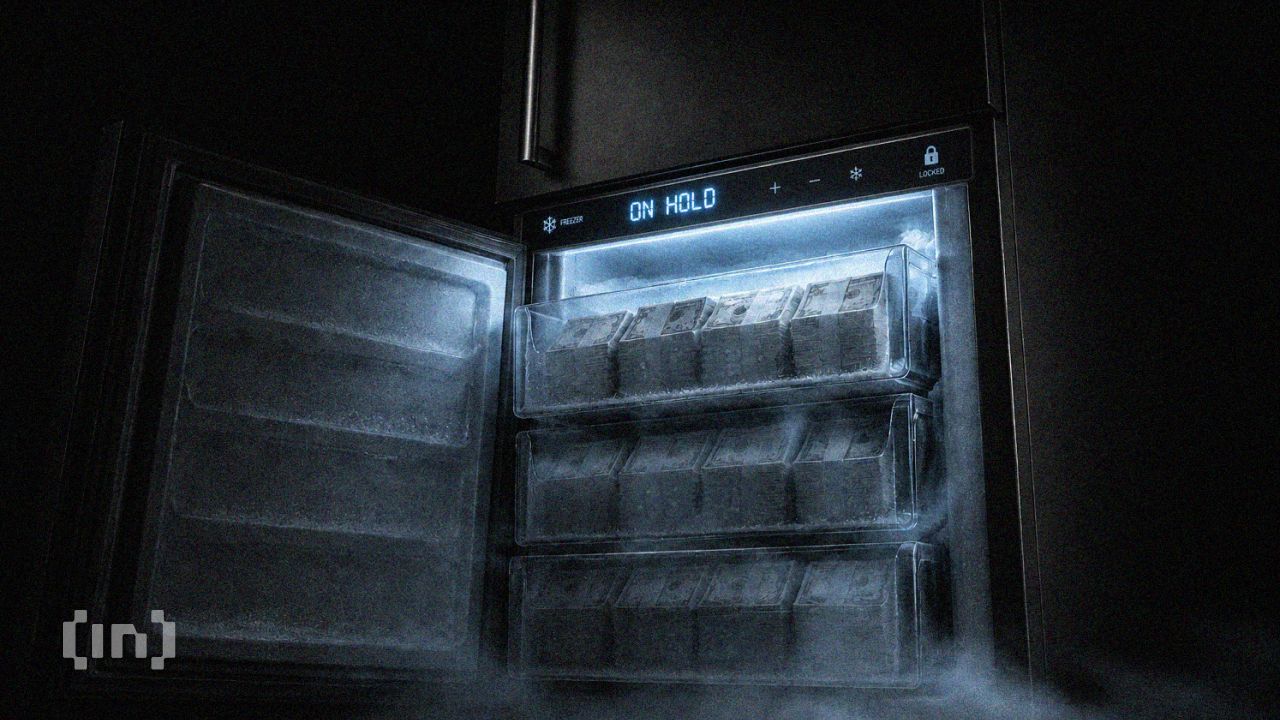
Tether, the company behind the world's largest stablecoin, has sought fees of about 20% from some hack victims before returning their frozen funds, Bloomberg reported. One victim, Singapore exchange Bittok, is still waiting more than five years later.
A stablecoin is a digital token built to hold a steady $1 value. Tether can freeze stolen USDT in minutes, but getting it back is a separate process that can take years and, in some cases, carry a fee, according to the report.
Why Does Tether Charge Victims to Return Frozen USDT?
Hackers took $50 million from Bittok in June 2020. Tether froze part of the stolen USDT.
According to emails Bloomberg reviewed, a Tether lawyer later told the firm that bought Bittok that a 20% "reissuance fee" would apply to anything returned.
Bloomberg: Tether Has Sought 20% Reissuance Fees From Some Crypto Hack Victims
— Wu Blockchain (@WuBlockchain) November 25, 2026
According to a Bloomberg investigation, Tether has sought 20% reissuance fees from some victims seeking the return of frozen USDT. Singapore-based crypto exchange Bittok, which lost million in a… pic.twitter.com/eAyE6mPTnJ
Reissuing means cancelling the frozen tokens and minting fresh ones for the owner. None had come back.
People involved in other cases reportedly told Bloomberg that victims received funds in installments, with similar fees.
The report has drawn criticism, with some questioning why victims should pay to recover money that was stolen from them. Crypto Rover was among them.
"Victims already lost their money to hackers. Now some are being asked to give up a huge portion of it just to get the rest back," Crypto Rover stated.
Tether says it has reissued $1.2 billion in USDT so far, and that fees cover the process and legal costs. Its public recovery policy, for tokens sent to the wrong address, charges up to 10%. Hack cases go to a separate team.
CEO Paolo Ardoino said returning funds in stages protects Tether against other people who may claim the same money.
"The problem is there is no guidance, there is no law that guides this," Bloomberg reported, citing Ardoino.
Who Decides When Frozen Crypto Comes Back?
The question gained weight after North Korean hackers drained $6.3 billion from Binance in October. Tether froze more than $1.5 billion in USDT within 30 minutes, and Circle froze $1.1 billion in USD Coin (USDC).
Binance has since won a court order to reclaim part of its stolen funds.
In Washington, US Senator Richard Blumenthal has said Tether does too little to stop Iran's use of USDT. Ardoino called that a political attack.
Tether says it holds more than $7 billion in frozen USDT. With no law setting the terms, as Ardoino noted, those returns are left to Tether's discretion.
Read the Original story Lost Crypto, Then a 20% Fee? Tether Faces Questions Over USDT Recoveries by Lockridge Okoth at beincrypto.com