

TL;DR
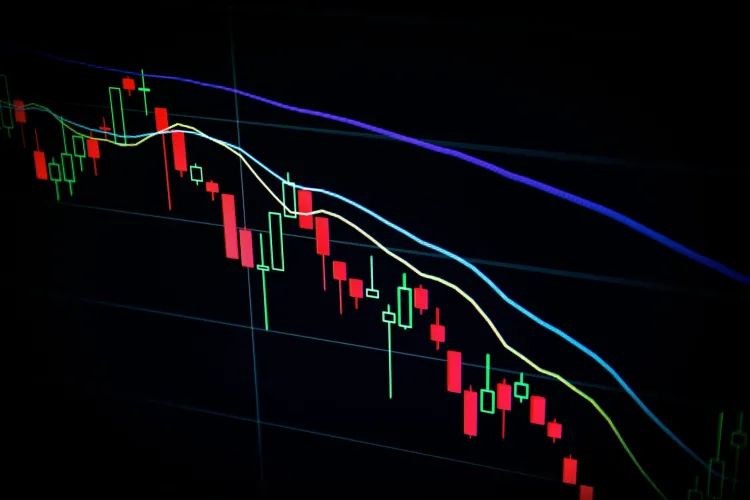
Spot and futures volume declined 20% compared to the weekly average, leaving the price vulnerable to thin liquidity near the $60,000 support level. The key caveat: Avoid suggesting low volume guarantees a crash; portray it as a lack of conviction from both buyers and sellers. For traders, the story matters because it affects how capital, liquidity or confidence is being priced across crypto right now.What Happened
Bitcoin Tests $60,000 As Futures Volume Thins And Liquidity Tightens. The update comes from The Currency Analytics , with the core claim checked against Binance spot volume metrics / CME Group volume trackers. That matters because this is the sort of story that can quickly become noisy if it is treated as a simple price headline rather than a market-structure development.
Spot and futures volume declined 20% compared to the weekly average, leaving the price vulnerable to thin liquidity near the $60,000 support level. The clean read is not that one data point should dominate the whole market, but that the latest signal gives traders a better sense of where risk appetite is shifting. In a market still being driven by ETF flows , leverage, treasury decisions and rotating altcoin liquidity, context is doing a lot of work.
Why It Matters For Crypto Traders
Thin volume does not automatically mean Bitcoin breaks lower. It means the market has less depth to absorb sudden order flow. Around a widely watched level like $60,000, that can make both breakdowns and snapback rallies more violent than usual.
The practical takeaway is that this is not just about the headline asset. These stories tend to spill across related trades: Bitcoin treasury names can affect altcoin sentiment, ETF flow data can shape institutional positioning, and token-specific network metrics can change how traders think about support, demand and supply. When liquidity is thin, those second-order effects can matter almost as much as the original news.
The Caveat To Keep In Mind
Avoid suggesting low volume guarantees a crash; portray it as a lack of conviction from both buyers and sellers. That is the line readers should keep front and center. Crypto markets are very good at taking a narrow data point and turning it into a sweeping narrative within minutes. The better read is usually more measured: this is a signal, not a guarantee.
For example, an outflow does not automatically mean long-term holders have lost conviction. A governance warning does not mean a network is broken. A token unlock does not mean every released coin is being dumped at market. And a derivatives shift does not mean price must follow in a straight line. The useful part is understanding what the signal says about positioning, confidence and incentives.
What To Watch Next
The next step is to watch whether the data keeps confirming the story. If the same pattern appears across follow-up flows, on-chain metrics , open interest, governance dashboards or official filings, it becomes a more durable market theme. If it fades quickly, it may end up looking like a short-term positioning scare rather than a structural shift.
That distinction is especially important in the current market. Traders are still trying to work out whether capital is truly leaving crypto, rotating into safer crypto assets, or simply sitting in stablecoins waiting for a cleaner entry. This story adds one more piece to that puzzle, but it should be read alongside broader liquidity, macro and derivatives conditions.
This report is based on information from The Currency Analytics and Binance spot volume metrics / CME Group volume trackers.
This article was written by the News Desk and edited by Samuel Rae .
Source: Thecurrencyanalytics