

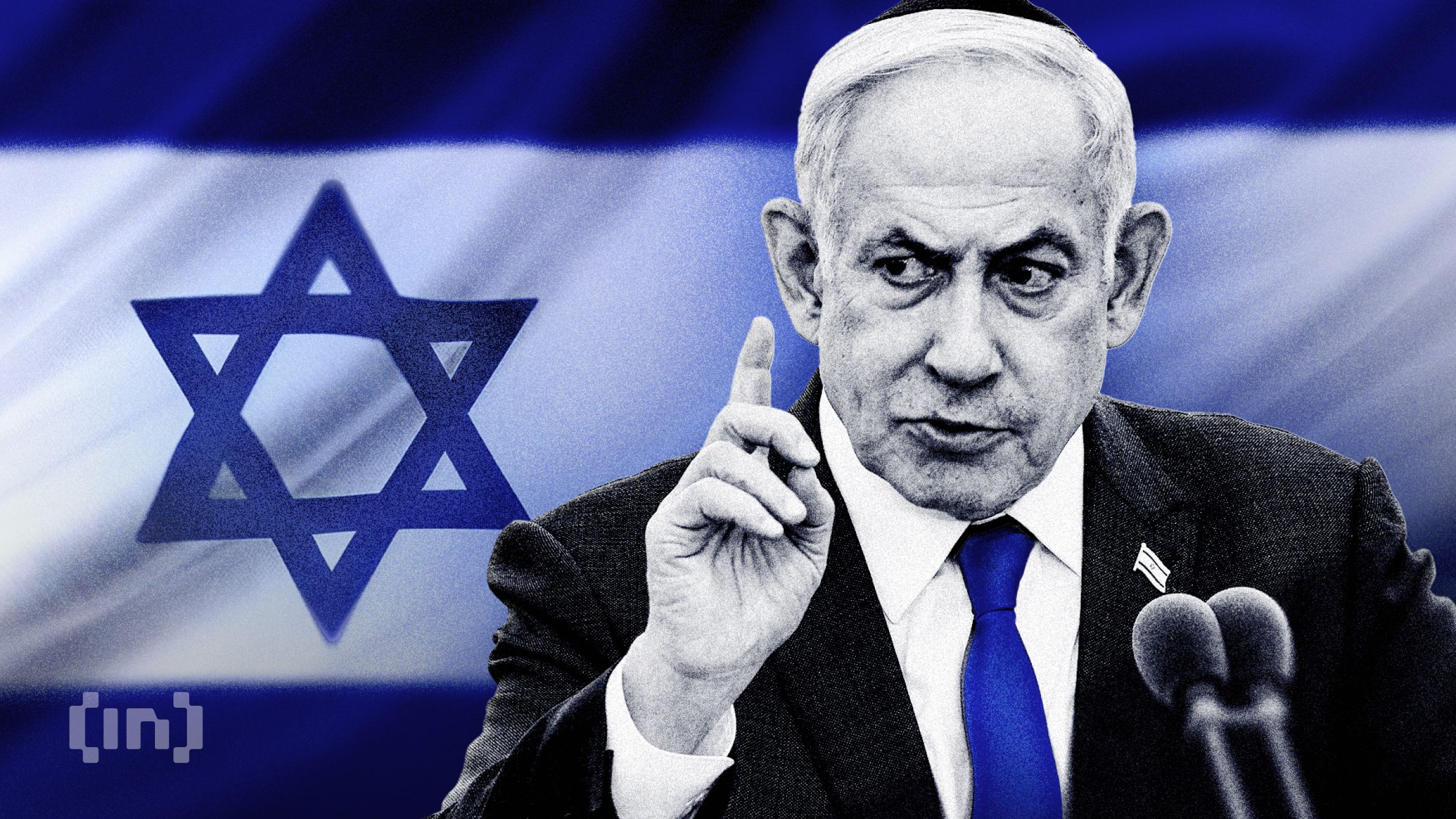
Israelis vote on Tuesday in an election that could end Benjamin Netanyahu's rule. Days before the vote, the prime minister has proposed an unusual financial backup plan: using cryptocurrency to protect Israel if international sanctions cut its banks off.
In a Friday interview, Netanyahu said he had ordered advisers to explore blockchain technology as a way around potential banking restrictions.
He offered no details. No Bitcoin-based system, budget, or implementation timeline has been announced.
Bibi hints at Bitcoin as a contingency if Israel faces sanctions. pic.twitter.com/4PqGsUVeff
— matthew sigel, recovering CFA (@matthew_sigel) October 26, 2026
Why Netanyahu's Crypto Plan Is Facing Backlash
The threat remains hypothetical. Western sanctions have targeted Israeli settlements in the occupied West Bank, while Israel's wider banking system remains connected internationally.
Netanyahu argues the country must prepare for possible financial isolation. However, the Bank of Israel rejected his proposal.
"Cryptocurrencies cannot serve as a means of circumventing sanctions," the central bank said.
Blockchain can transfer money across borders, but it cannot force foreign businesses or banks to accept payments.
"Changing the means of payment does not turn a prohibited transaction into a permitted one," crypto expert Tomer Sharoni explained.
The warnings went further. In a public letter, 109 economists and business leaders, including Nobel laureate Joel Mokyr, warned that sweeping sanctions could devastate Israel's technology sector and foreign investment.
Could Tuesday's Election Kill the Crypto Plan?
Opposition leader Gadi Eisenkot warned that Netanyahu's approach could threaten ordinary Israelis' wealth.
"Israelis will lose their pensions and all their investments, and many of them will leave the country."
Meanwhile, Israel's regulated crypto industry is progressing independently. Regulators approved the BILS shekel stablecoin in April, with financial safeguards and supervision.
Netanyahu's political future is far less certain.
The final election polls put his coalition at just 50 seats, 11 short of a parliamentary majority. His rivals also lack enough seats to govern.
Exit polls arrive Tuesday at 10 p.m. If neither side can form a government, Netanyahu could remain caretaker prime minister while Israel faces another election in 2027.
Read the Original story Netanyahu's Crypto Plan Sparks Economic Fears Ahead of Israel Elections by Lockridge Okoth at beincrypto.com