


A trader who loses money might close the app. Zoomex has offered some customers a reason to return: credit towards more trading.
Loss compensation is one of the ways Fernando Aranda, Marketing Director at Zoomex, says exchanges can keep customers. Speaking to BeInCrypto at TOKEN2049, he described a business under pressure to give people reasons to stay.
“In this market, most of the big platforms started offering it because they saw users weren't being retained. They were moving to brokers or platforms outside Web3,” he said of exchanges expanding into traditional markets.
Recent figures show why customer activity deserves attention. Crypto’s total market value rose 39.6% in the third quarter of 2026, while spot trading volume across the top 10 centralised exchanges fell 14.2%, according to CoinGecko.
Higher prices did not bring a matching increase in trading.
https://www.youtube.com/watch?v=Ste4IXsZSEkFollowing the Traders Who Leave
Aranda says experienced traders will look elsewhere when crypto fails to offer the opportunities they want.
“When we go through a bear market, traders look for something with more volatility, something that moves faster, and they typically shift to traditional markets.”
That gives exchanges a reason to offer new products before customers take their money elsewhere.
Zoomex’s response includes contracts tied to traditional assets and access outside conventional market hours. Prediction markets offer another route into the platform. Aranda says its World Cup launch attracted people with little previous interest in crypto.
“What I believe is that this kind of product launch brings in new users who aren't primarily focused on Web3 — they come from Web2.”
Keeping those newcomers requires a product they can understand.
“If you make it too complex, the user gets lost.”
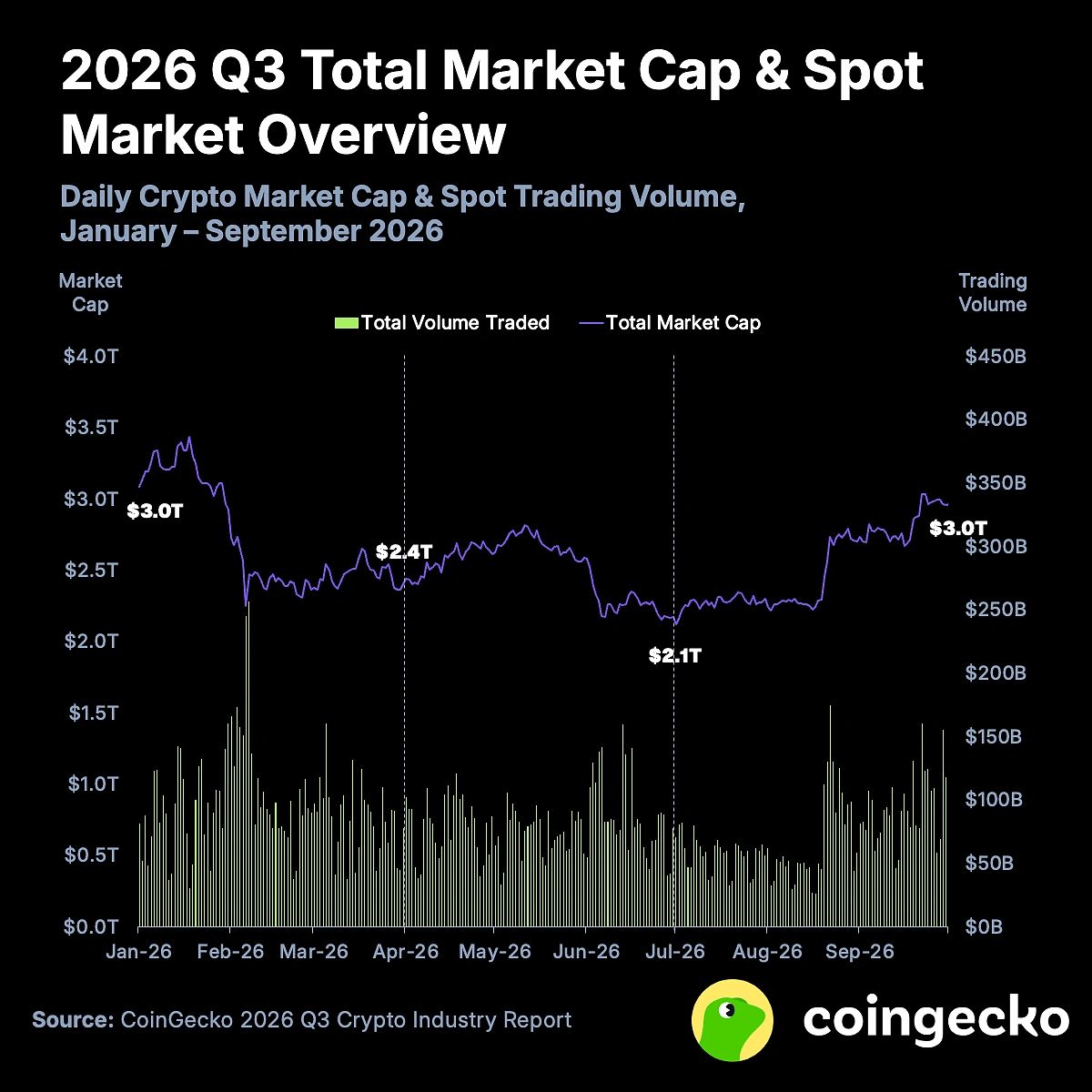 Spot Crypto Trading Volume Dropped After February 2026, Even as Prices Recovered. Source: CoinGecko
Can a Trading Competition Teach Restraint?
Once someone joins, a community can give them a reason to return. Aranda argues that Zoomex’s team competitions help people learn from experienced captains.
“The captains we have usually come with organic communities, because they want to teach.”
He describes leaders explaining how to open positions and set orders intended to limit losses. That can make a complicated product easier to understand.
The competition also rewards activity. Zoomex’s 2026 championship advertises a conditional prize pool of up to 5 million USDT. Some rankings depend on trading volume.
Eligible captains may receive 20% of their team’s rewards, giving them a financial incentive alongside their teaching role.
That raises a practical question: what happens when a trader’s sensible choice is to sit out?
The UK’s Financial Conduct Authority explored related incentives in a 2024 experiment involving more than 9,000 consumers. It found that push notifications and prize draws could increase trading frequency and risk-taking. The study did not assess Zoomex.
Aranda’s defence rests on the quality of the people leading the teams.
“If users are learning and they're open to it, I think that's quite important.”
A Fed hike. A failed CLARITY vote. 6M stolen, the worst hack month of 2026.
— ZOOMEX_Official (@ZoomexOfficial) October 9, 2026
Bitcoin still closed September +6.4%, after ,400.
The monthly transparency report: the tape, the reserves, what held. #TrustZoomex https://t.co/coVjGMd6Ny
What Does “Covering Your Losses” Buy You?
Learning can be expensive when real money is involved. Zoomex uses partial compensation to make trying its products less costly for eligible customers.
“At Zoomex we try to run a campaign with loss compensation every month, so that if a user loses on a trade, we can compensate part of it.”
The terms determine how much help that provides. A campaign running from September 16 to October 13 offered eligible copy traders up to 50 USDT in bonus compensation for their first week’s net realised losses. Copy trading automatically follows another trader’s positions.
The bonus could offset copy-trading losses and associated fees. It could not be withdrawn or converted into cash.
For a customer who wants to continue, that credit has a use. Its value depends on further activity within the platform.
Ongoing costs matter too. “Newer users often don't pay attention to fees, but it matters,” Aranda said. A promotion is temporary; fees remain part of each trade’s result.
A Bot Can Make Staying Easier
Exchanges are also trying to reduce the work involved in trading. Aranda sees AI’s immediate value in filtering information that ordinary customers struggle to process.
“Every trader on Zoomex can connect their bots and trade directly.”
He describes Zoomex as a gateway for outside developers, allowing customers to bring tools onto the exchange. That gives traders more flexibility without requiring them to move their funds to use every new strategy.
It also puts responsibility on the platform. Aranda says users need help setting limits on leverage and position size. He acknowledges that “these tools can be profitable but can also create losses.”
Access to a bot gives customers another way to trade. Whether it improves their results depends on the strategy and the controls around it.
What Keeps Someone After the Bonus Ends?
Asked what holds customers beyond campaigns, Aranda begins with trust. He points to external security work and says product teams must keep improving. Hacken’s public directory lists security assessments for Zoomex.
His description of customer feedback is more ordinary, and more revealing.
“Every month we send out feedback forms or surveys. We try to listen. Every time they give us advice, even when it's quite harsh, we try to bring it into the product and the platform.”
For customers, that promise is easiest to judge when something goes wrong. How an exchange handles a problem with an order can matter long after the reward for placing it has been spent.
Read the Original story Why Crypto Exchanges are Paying to Keep You Trading by Mohammad Shahid at beincrypto.com