


Banks in Pakistan can now open accounts for licensed cryptocurrency companies — a move that ends a restriction that has been in place since 2018.
Strict Rules Come With The New Access
The State Bank of Pakistan issued a circular on April 14 outlining exactly how that access works. Regulated banks are allowed to serve entities licensed by the Pakistan Virtual Assets Regulatory Authority, known as PVARA — the body responsible for licensing and overseeing virtual asset activity in the country. But the rules are tight.
Banks cannot invest, trade, or hold virtual assets using their own money or customer deposits. Their role stops at providing standard banking services to licensed firms.
Separate rupee-denominated accounts — called Client Money Accounts — must be opened specifically for settling authorized transactions. VASP funds cannot be mixed with client assets under any circumstance.
Banks are also required to conduct full due diligence on every virtual asset firm they work with, update their risk profiling systems to account for crypto-related exposure, and report any suspicious activity to Pakistan’s Financial Monitoring Unit.
Foreign exchange rules and all other central bank regulations still apply. Working with a licensed crypto firm does not free a bank from those obligations.
Pakistan has taken an important step toward formalising its virtual asset ecosystem.
Following the enactment of the Virtual Assets Act, 2026, the State Bank of Pakistan has issued BPRD Circular Letter No. 10 of 2026, enabling regulated entities to open and maintain bank accounts… pic.twitter.com/cuUhwSiCfS
— Pakistan Virtual Assets Regulatory Authority (@PakistanVARA) April 14, 2026
Eight Years Of Restrictions Now Behind Them
Pakistan banned virtual currency dealings outright in 2018. For eight years, crypto companies had no path to basic banking services in the country.
That changed when Pakistan passed the Virtual Assets Act 2026 in March — and the central bank’s April 14 circular put the new framework into action.
The government had been laying the groundwork for months. Officials held talks with major exchanges, including Binance and HTX, in December 2025 as part of an effort to bring regulated trading platforms into the country.
Separately, Pakistan explored blockchain-based financial infrastructure through discussions with affiliates of World Liberty Financial, focusing on the use of stablecoins for cross-border payments.
PVARA now sits at the center of this new system. Any virtual asset service provider that wants banking access must first be licensed through the authority. Banks, in turn, are responsible for vetting those firms on an ongoing basis — not just at the point of onboarding.
Reports indicate that crypto activity in Pakistan has been growing despite the long-standing ban, driven in part by a large overseas population that sends money home regularly. The country’s interest in stablecoins for remittances reflects that reality.
The central bank’s circular marks the first time licensed crypto firms have had a formal, legal route to banking services in Pakistan. Whether banks move quickly to serve this new client base — or take a cautious wait-and-see approach — remains to be seen.
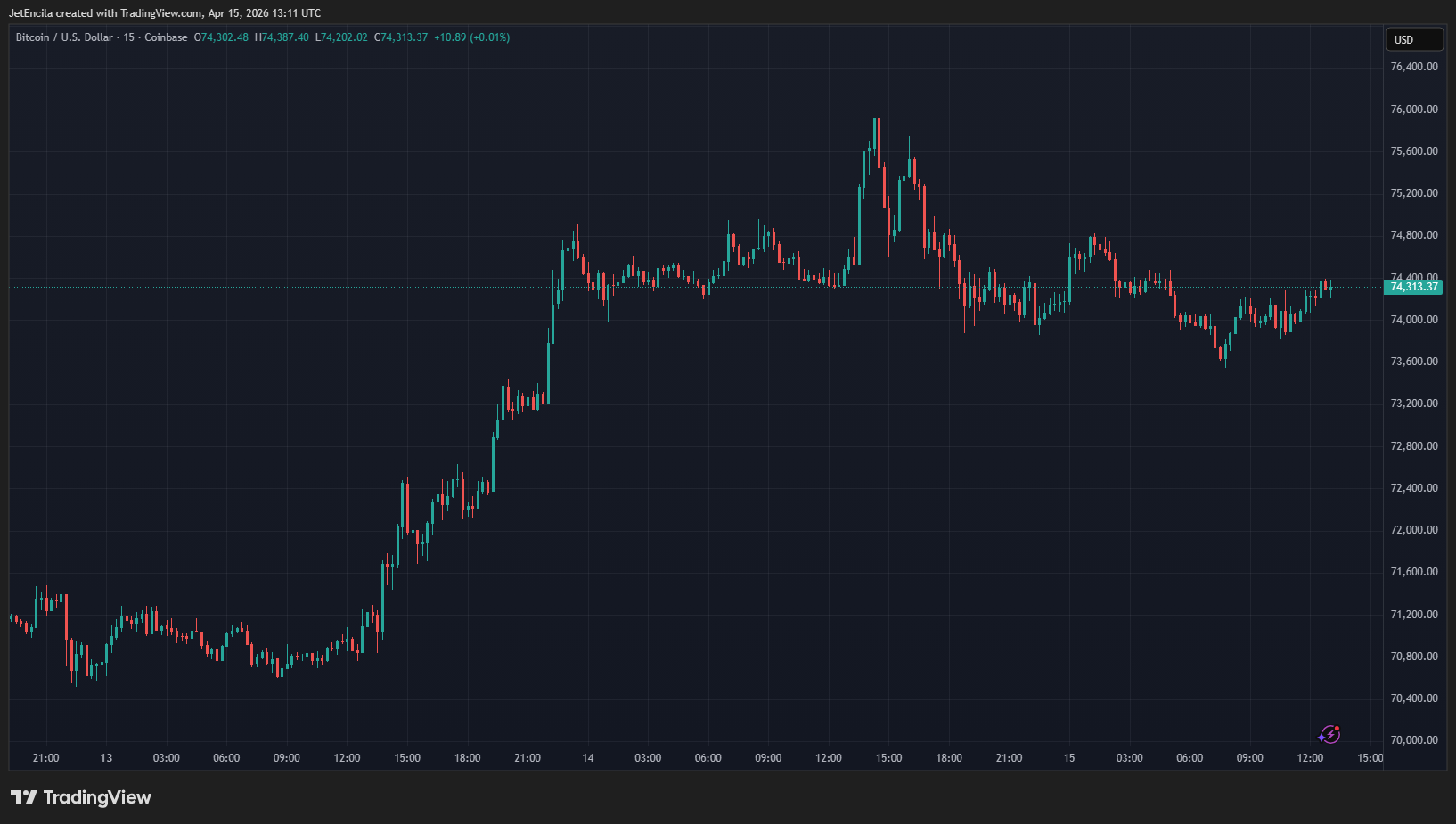
Featured image from ProPakistani, chart from TradingView