

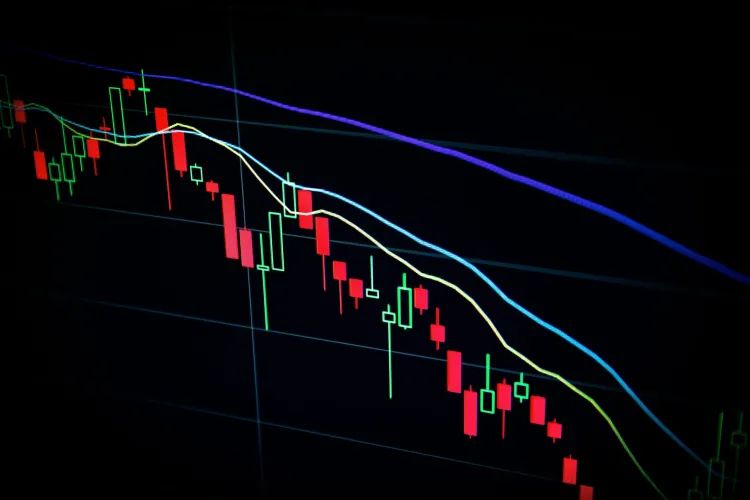
TL;DR
Bitcoin slipped below the $60,000 area and continued defending the broader $59,000 to $60,000 support band. Bitcoin and Ethereum were both on track to finish Q2 in the red, creating pressure around quarterly market structure. Risk note: Do not call the move a confirmed bear market or use panic language around the support zone.For more details, visit the official Tradingview platform.
Bitcoin’s quarterly structure is weakening, but the immediate test is still the $59,000 to $60,000 zone
Bitcoin Defends $59K Support as Q2 Closes With Rare Back-to-Back Loss is a timely crypto-market story because it gives readers a clear signal to watch without leaning on hype or unsupported price targets.
The important point is not just the headline number or technical level. It is the way that signal fits into the wider market: liquidity is thinner, Bitcoin direction is fragile, and traders are paying closer attention to flows, wallet activity, derivatives positioning, and official ecosystem updates.
What the verified setup shows
Bitcoin slipped below the $60,000 area and continued defending the broader $59,000 to $60,000 support band. Bitcoin and Ethereum were both on track to finish Q2 in the red, creating pressure around quarterly market structure.
Back-to-back quarterly weakness in the first half of the year is uncommon enough to make the close worth watching.
That makes this a useful setup for readers who want to understand what is actually changing beneath the surface. It also helps separate measurable market data from the more speculative narratives that often appear during volatile weekends.
Why this matters for the market
For Bitcoin quarterly loss, the signal matters because it offers a specific lens for the current market rather than a vague bullish or bearish call. In a weak or uncertain tape, traders tend to focus on the data points that can be checked directly: flows, wallet routes, support zones, funding, moving averages, official technical updates, or security disclosures.
This is especially important in the current environment. Bitcoin has been trading near important support, altcoins remain sensitive to broader risk appetite, and institutional or on-chain activity can quickly become part of the market narrative.
What traders should avoid assuming
Do not call the move a confirmed bear market or use panic language around the support zone.
That caution matters because many of these signals can be misread. ETF outflows do not automatically mean permanent institutional retreat. Wallet transfers do not automatically mean selling. Technical support does not guarantee a bounce. Developer updates do not immediately translate into price action.
What to verify next
The next validation path is: TradingView price charts plus Coinbase and Binance historical market data. This is the key step before treating the setup as anything more than a developing market or ecosystem signal.
Weekend rates can move sharply, so spot and quarterly figures should be checked live before upload.
This report is based on publicly available market data.
This article was written by the News Desk and edited by Samuel Rae .