미리보기

DeMarker - traditional general approach
50
HK50
DeMarker - traditional general approach
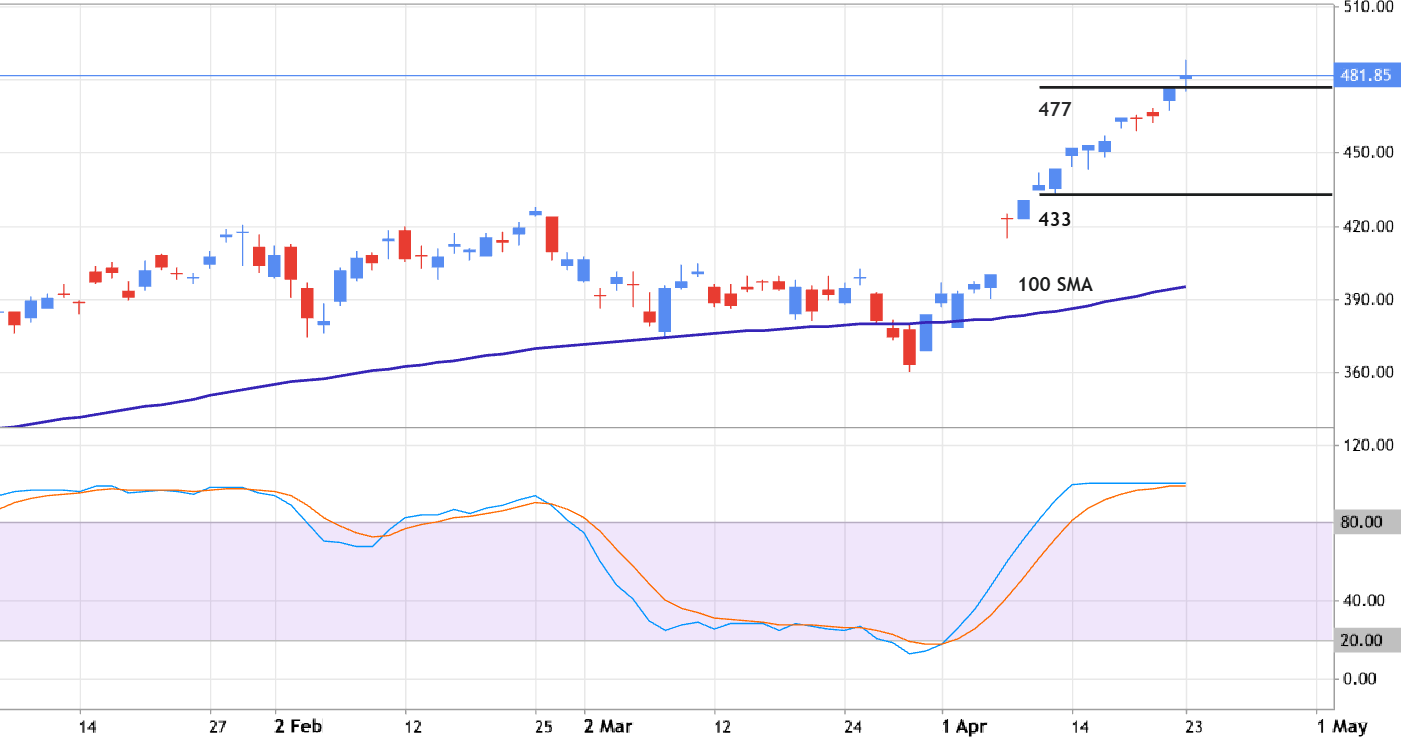
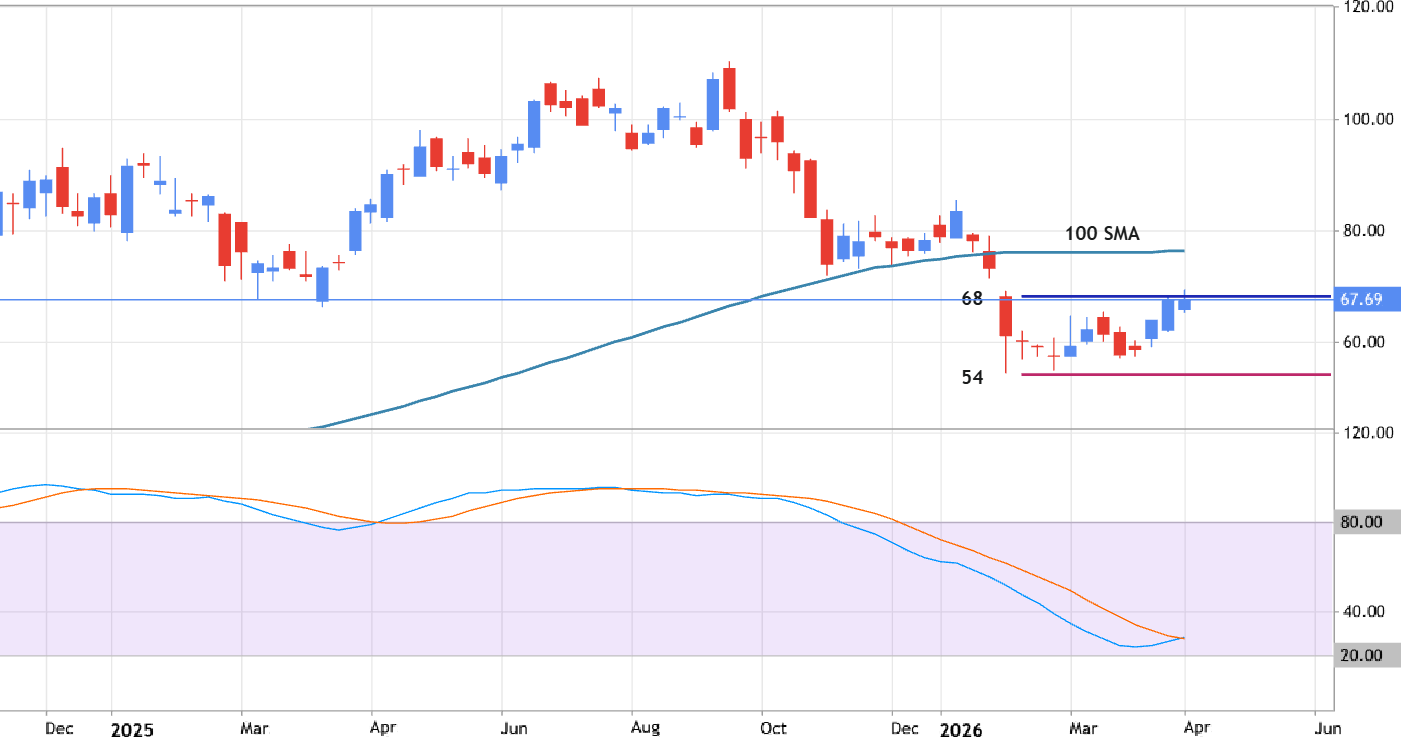
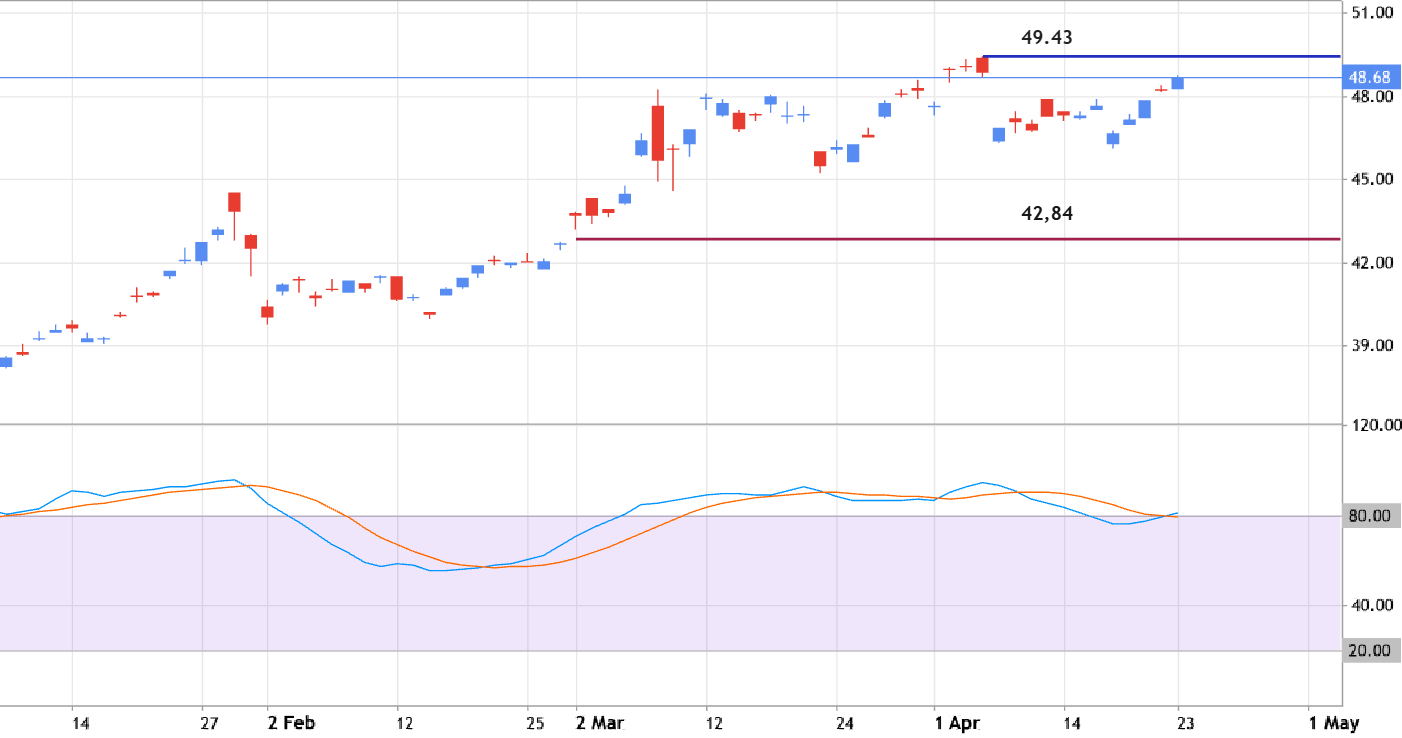
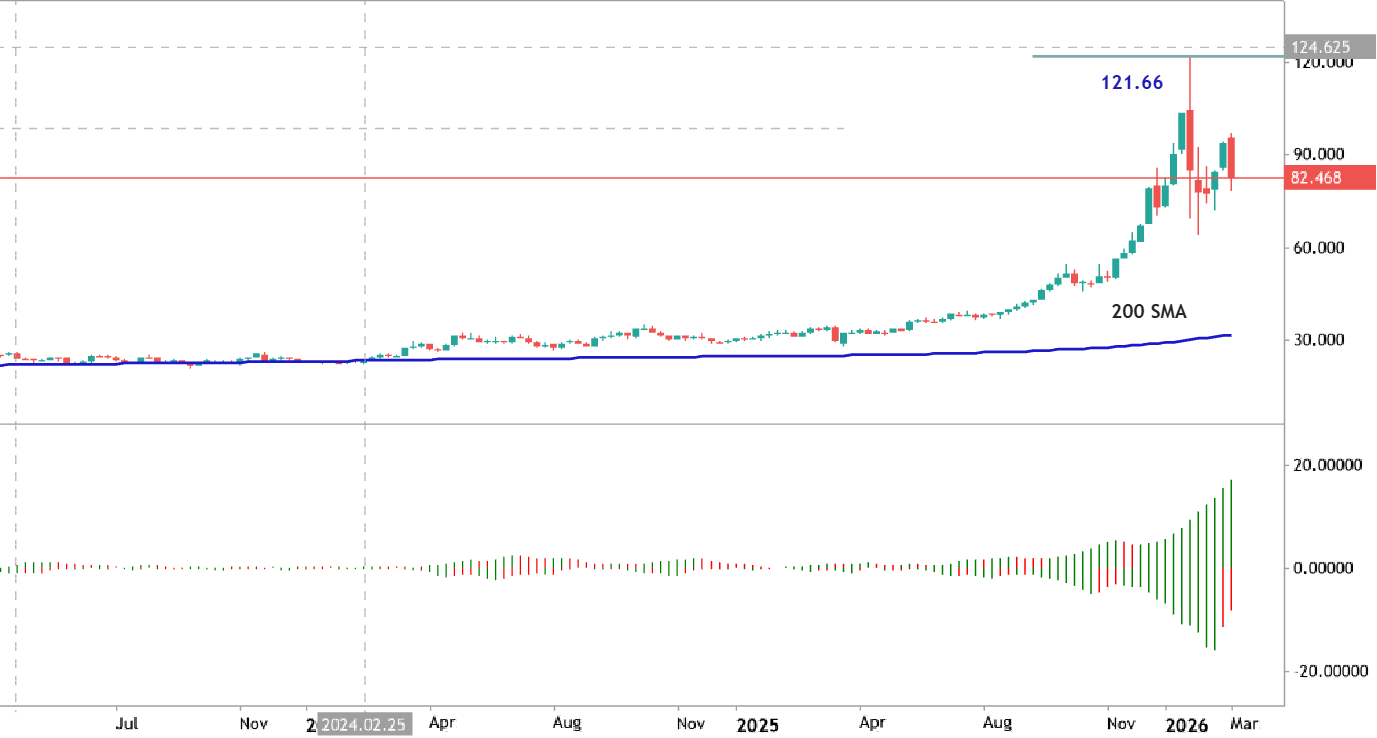
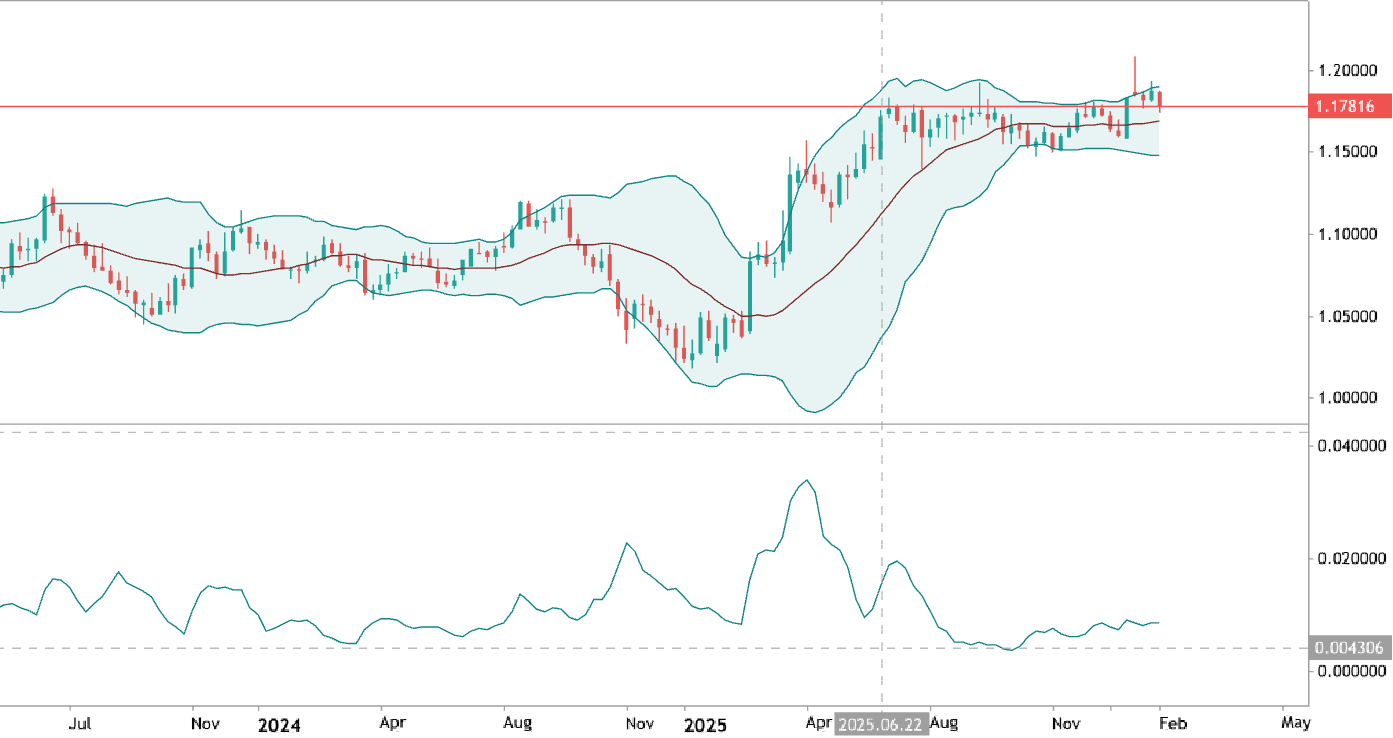
The DeMarker indicator named after Thomas DeMark is a momentum oscillator very similar in nature to the Relative Strength Index (RSI) developed by Welles Wilder. By comparing inter-period price maxima and minima the DeMarker indicator attempts to gather information about price movements to help determine the underlying trend strength and identify over-bought/sold trade conditions. The Default time span for the calculation of the DeMarker indicator is 14 periods. The overbought and oversold lines are typically drawn at 0.7 and 0.3, respectively. Traders should look to go long when the DeMarker falls below 0.3 and look to go short when the DeMarker rises above 0.7 and falls back below it. 0
newdigital Sergey Golubev 2026.01.13 07:35
Alligator - traditional general approach AUDUSD
Alligator - traditional general approach
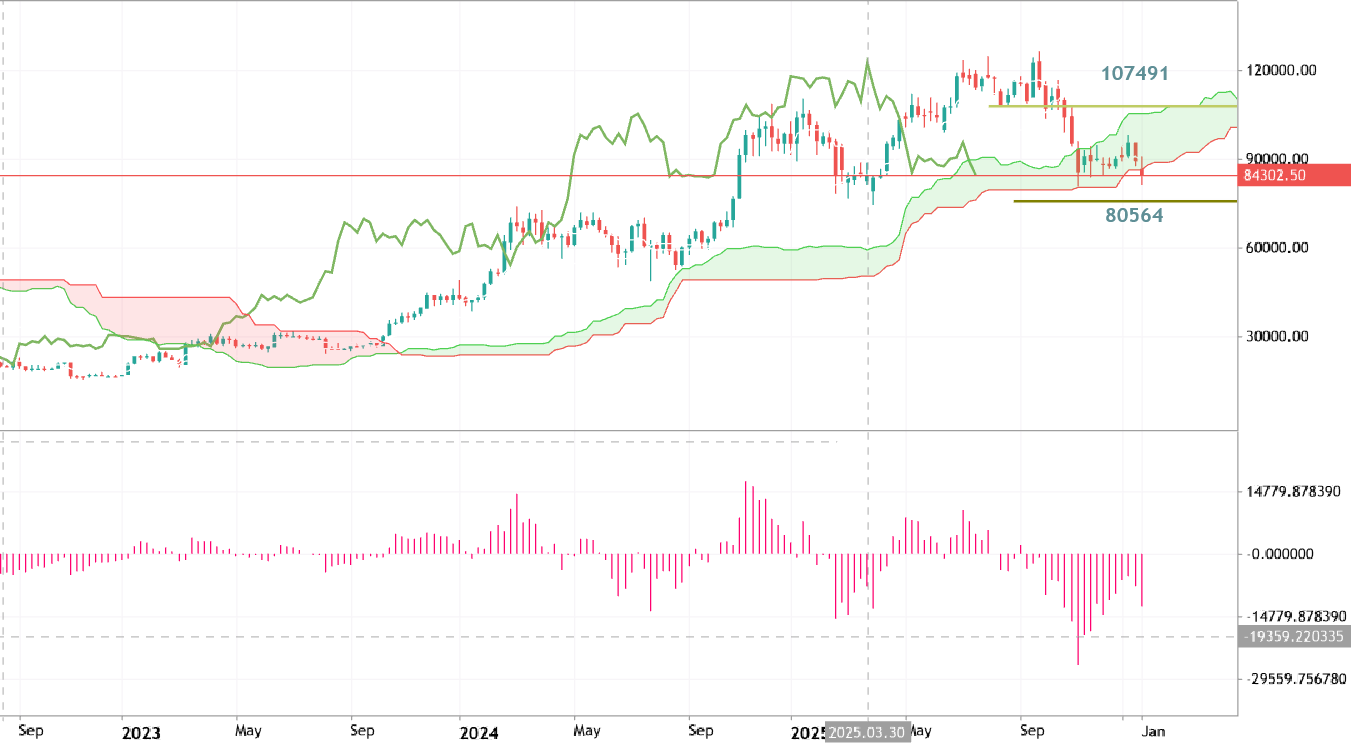
<p>The alligator was first described by Bill Williams in his book New Trading Dimensions. There are three smoothed moving averages using 13, eight, and five periods and shift them by eight, five, and three bars into the future. The longest period line is blue (the alligator's jaw), the middle one is red (the alligator's teeth), and the shortest one is green (the alligator's lips). According to Williams, when these three moving averages are twisted together, it means the alligator indicator rests, and so we also rest. But the longer the alligator sleeps, the hungrier it is. So when the alligator awakes after a good, long rest it is very hungry to hunt for food. And its food is price. For example: when all three lines are aligned, going up one after another with the green being greater than red being greater than blue, prices are in an uptrend. You need to look into the possibility of buying (opposite to sell).</p> 0
newdigital Sergey Golubev 2026.01.13 05:53
Moving Averages - traditional general approach EURUSD
Moving Averages - traditional general approach
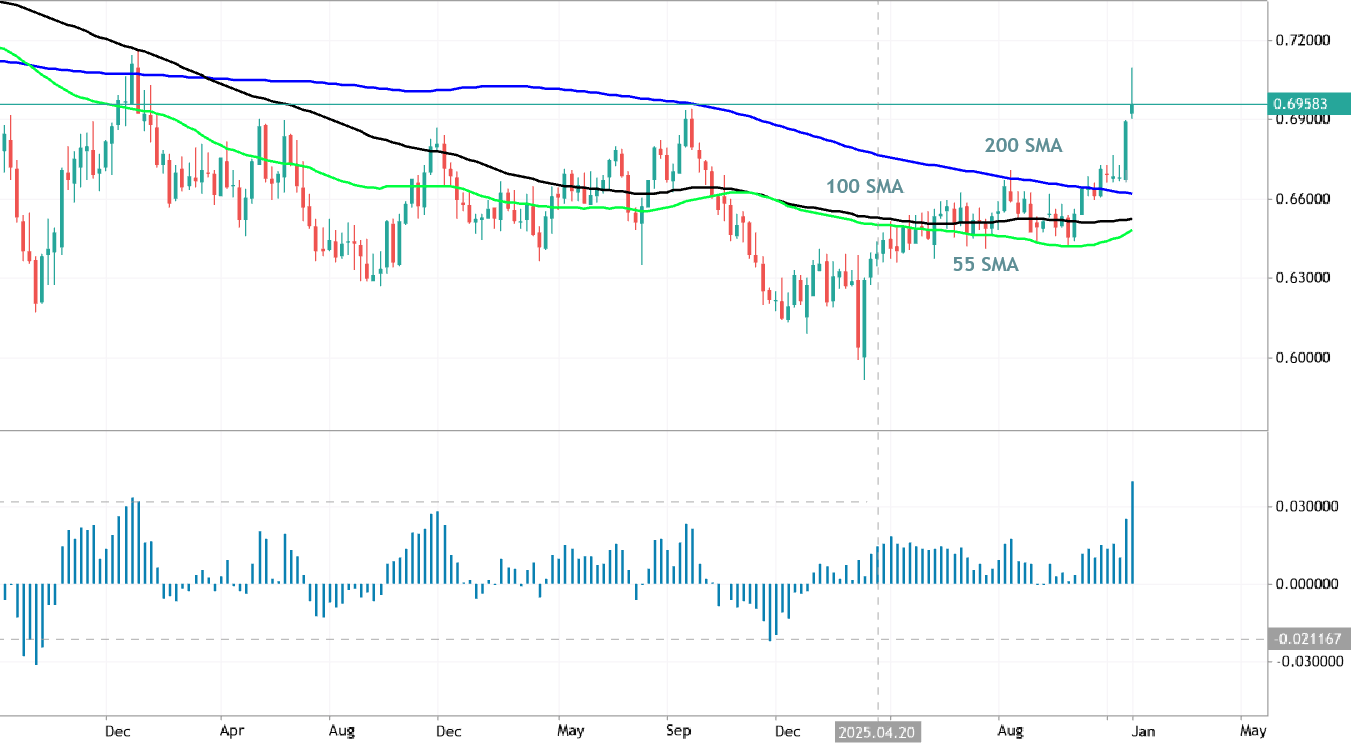
Moving Average (MA for short) is a technical tool that averages a currency pair’s price over a period of time. The smoothing effect this has on the chart helps give a clearer indication on what direction the pair is moving either up, down, or sideways. There are a variety of moving averages to choose from. Simple Moving Averages and Exponential Moving Averages are by far the most popular. The traders are usually using SMA indicators with the period of 100 and 200 to estimate the market condition, and with the periods of 55 and 11 for intra-day trading for example. 0
newdigital Sergey Golubev 2026.01.13 05:33
Momentum Indicator - Overbought/Oversold Levels approach
500
US500
Momentum Indicator - Overbought/Oversold Levels approach
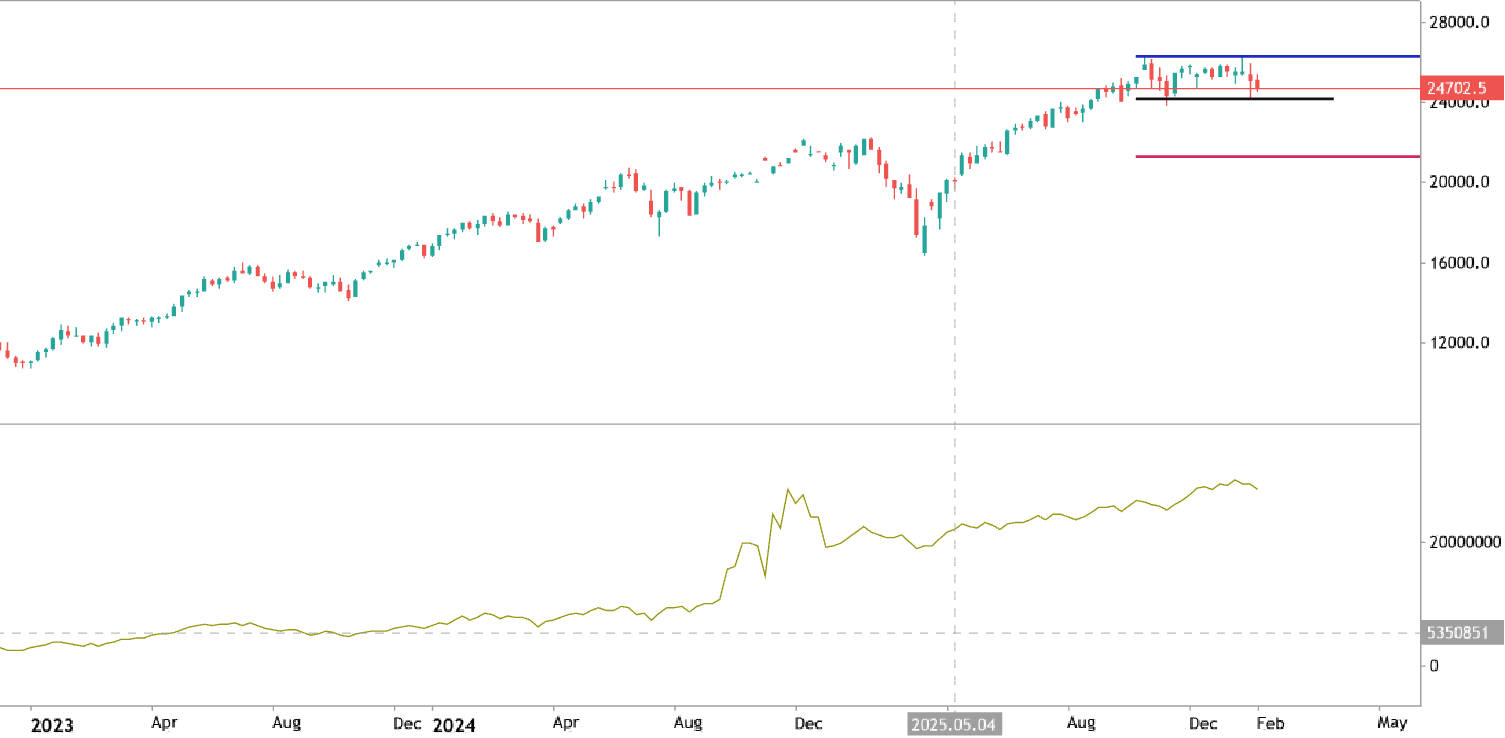
Momentum is used as an overbought/oversold indicator, to identify potential overbought and oversold levels based on previous indicator readings; The previous high or low of the momentum indicator is used to determine the overbought and oversold levels. Readings above the overbought level mean the currency pair is overbought and a price correction is pending. While readings below the oversold level the currency is oversold and a price rally is pending. 0
newdigital Sergey Golubev 2026.01.10 08:28
Momentum Indicator - Trend Line Breakouts approach
40
DE40
Momentum Indicator - Trend Line Breakouts approach
Trend lines can be drawn on the Momentum indicator connecting the peaks and troughs. Momentum is a leading indicator and it begins to turn before price thereby making it a leading indicator. Bullish reversal- Momentum indicator readings breaking above a downward trend line warns of a possible bullish reversal signal while. Bearish reversal- momentum readings breaking below an upward trend line warns of a possible bearish reversal signal. 0
newdigital Sergey Golubev 2026.01.10 08:22
Stochastics - traditional general approach USDJPY
Stochastics - traditional general approach
Stochastics offer traders a different approach to calculate price oscillations by tracking how far the current price is from the lowest low of the last X number of periods. This distance is then divided by the difference between the high and low price during the same number of periods. The line created, %K, is then used to create a moving average, %D, that is placed directly on top of the %K. The result is two lines moving between 0-100 with overbought and oversold levels at 80 and 20. Traders can wait for the two lines to crosses while in overbought or oversold territories or they can look for divergence between the stochastic and the actual price before placing a trade. 0
newdigital Sergey Golubev 2026.01.10 07:44
200 SMA: the most easy way to estimate the trend - part #2 (secondary trend) XNGUSD
200 SMA: the most easy way to estimate the trend - part #2 (secondary trend)
Once we know about how to estimate the primary trend (the price to be above/below 200 SMA for example) so we can estimate the secondary trend of it by looking at the other two SMA indicators: 55 SMA (as the fast one) and 100 SMA (as the medium/slow one). The secondary trend (correction and bear market rally) can be received by the combination of those two indicator. On the chart above: the price broke 200 SMA to below for the primary bearish reversal but fast SMA (55 SMA) crossed 100 SMA to above for the bear market rally in the near future for example. 0
newdigital Sergey Golubev 2026.01.10 02:16
200 SMA: the most easy way to estimate the trend - part #1 (primary trend)
40
DE40
200 SMA: the most easy way to estimate the trend - part #1 (primary trend)
One of the most easy way to estimate the primary trend is 200 SMA. It means the following: if the price is located above 200 SMA so it means that the price is located in the bullish area of the chart; if the price is below 200 SMA so it should be considered as the primary bearish trend. For example, the DE40 weekly price is breaking resistance line at 24800 to above for the strong bullish trend to be continuing (with all SMA indicator's agreement with that). There are some particularities about how to estimate the secondary trend within the primary bearish/bullish which are related to the following: rising/declining 200 SMA line, and the combination of the other SMA indicators (100 SMA and 55 SMA) compare with the located of the price itself. But it may shortly be explained in the part #2. 0
newdigital Sergey Golubev 2026.01.08 15:30