

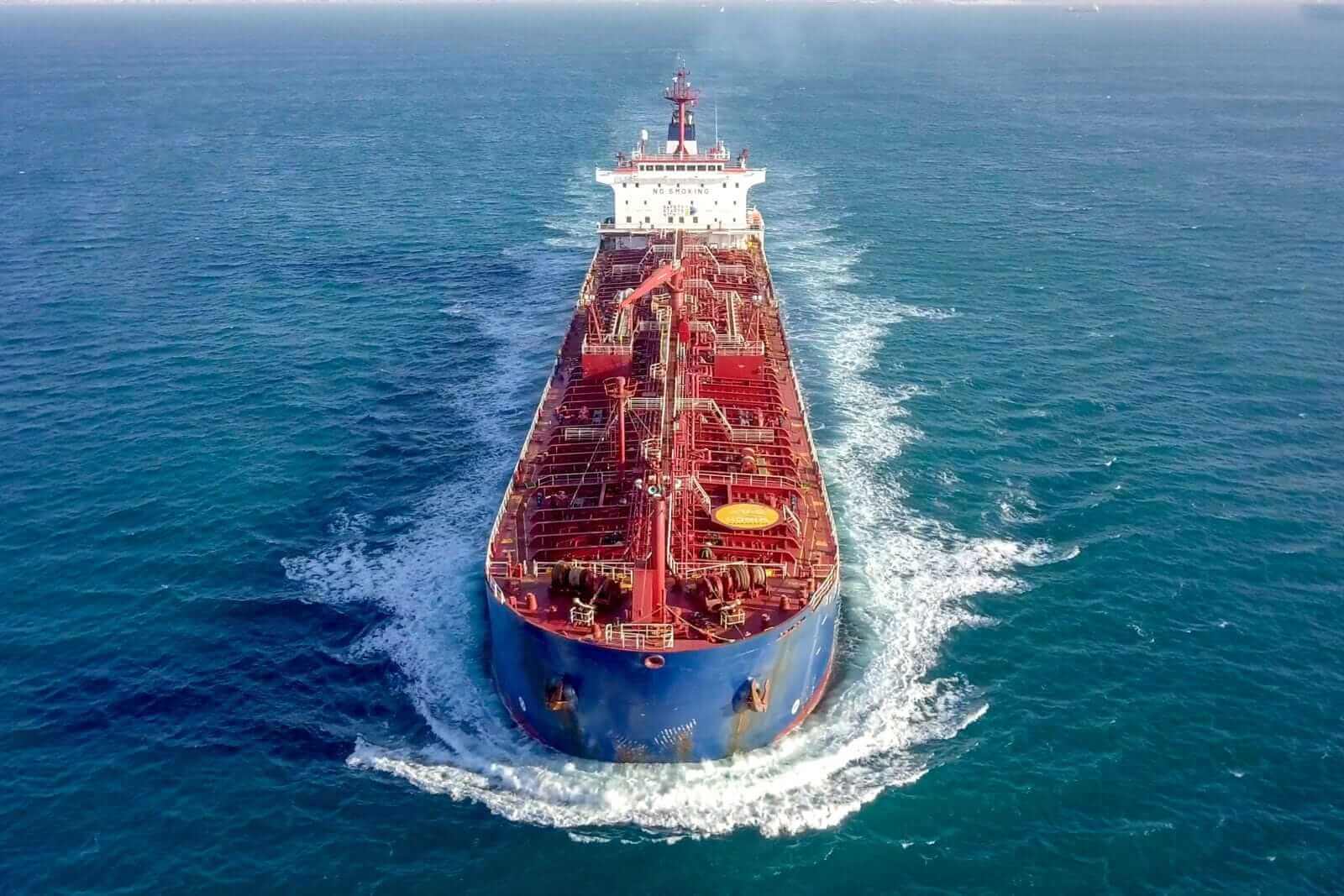
US legislators are engaged in an increasingly urgent debate over whether to ban diesel exports as the November midterm elections approach, driven by record-breaking domestic fuel prices that threaten both consumer budgets and Republican electoral prospects.
The national average diesel price reached a record $6.51 per gallon as of this week, representing an increase of approximately $2.80 from the same period a year ago, with California prices exceeding $8 per gallon.
Don’t Miss a Day: From crude oil to coffee, sign up free for Barchart’s best-in-class commodity analysis.
This dramatic surge has prompted prominent Republican lawmakers, including Senate Majority Leader John Thune and Iowa Senator Chuck Grassley, to publicly advocate for export restrictions, while Tennessee Representative Tim Burchett has introduced legislation that would prohibit diesel exports through January 2027.
The political calculus behind the export ban push is straightforward: diesel is the industrial backbone fuel that powers trucking, farming, construction, and freight, meaning its price ripples into virtually every consumer good. Farmers, a traditionally reliable Republican voting bloc, are experiencing acute financial strain, with Grassley warning that high diesel costs are destroying farm incomes at a time when the agricultural sector is already frustrated with tariffs and increased beef imports.
The timing, just seven weeks before the midterm elections, has made energy costs a potent liability for the governing party, particularly in competitive races in agricultural states like Iowa.
Foreign Wars Are Coming Home to Roost
The supply crisis underlying this debate is rooted in two overlapping geopolitical disruptions. The US-Iran conflict has severely restricted tanker traffic through the Strait of Hormuz, while Ukrainian drone strikes on Russian refining infrastructure have compounded global diesel losses, prompting Moscow to extend its own diesel export ban through October.
Middle Eastern diesel exports have been cut roughly in half compared to a year earlier, and the International Energy Agency (IEA) has indicated that lost Middle Eastern diesel output is approximately three times larger than lost Russian supply.
Despite the political appeal of an export ban, senior administration officials and industry groups have voiced strong opposition. Energy Secretary Chris Wright and Interior Secretary Doug Burgum have argued that restricting exports would likely backfire, as trading partners could retaliate with their own restrictions, ultimately shrinking global supply and driving prices even higher.
The American Fuel and Petrochemical Manufacturers trade group has warned that if refiners cannot move surplus product overseas, some would scale back production, reducing overall domestic supply. While an export ban might bring temporary relief in Gulf and Midwestern states for a few weeks, refineries would subsequently cut output, causing a secondary price spike.
Refining Capacity is Stretched Thin
The structural fragility of the global refining system makes the situation particularly intractable.
US refineries are already operating above 95% capacity for an extended period, shattering previous utilization records and leaving virtually no buffer for unexpected outages. Total US diesel inventories have fallen to 107.9 million barrels, the lowest for this time of year since records began in 1982, and the Energy Information Administration projects inventories will remain below five-year lows through the end of 2026 and most of 2027.
Years of refinery closures driven by poor returns and net-zero policy pressure, particularly in Europe and the US, have left global refining capacity dangerously thin precisely when it is needed most.
In early trading, the VanEck Oil Refiners ETF (CRAK) is down 1.9%.
How an Export Ban Might Play Out
The broader economic and geopolitical implications of an export ban are severe. The US exports roughly 1.4 million barrels of diesel per day, representing about 6% of the global diesel market excluding domestic consumption, and analysts warn that a ban could push international diesel prices toward $300 per barrel.
China and India might follow with their own export restrictions, potentially plunging the global economy into unprecedented fuel shortages. Europe, which has become increasingly dependent on diesel imports after shrinking its own refining base, would be the biggest loser, with the European Central Bank (ECB) already warning that energy-driven inflation may persist well into 2027.
For the Trump administration, the diesel export ban debate encapsulates a painful dilemma: the political imperative to act decisively before the midterms clashes with the economic reality that no quick policy fix exists for a global refining shortage of this magnitude.
This article was created with the support of automated content tools from our partners at Sigma.AI. Together, our financial data and AI solutions help us to deliver more informed market headline analysis to readers faster than ever.
On the date of publication, Sarah Holzmann did not have (either directly or indirectly) positions in any of the securities mentioned in this article. All information and data in this article is solely for informational purposes. For more information please view the Barchart Disclosure Policy here.
More news from Barchart
US Legislators Are Debating a Diesel Export Ban Ahead of Midterms — Here's Why What Does Last Night's Trade Tell Us About Tuesday's Session? Crude Oil Three Rallies Before the Fall What Had Commodities Moving to Start the New Week?